
HUM
Beyond the Stage
.
ARKd Rating
- 10/10
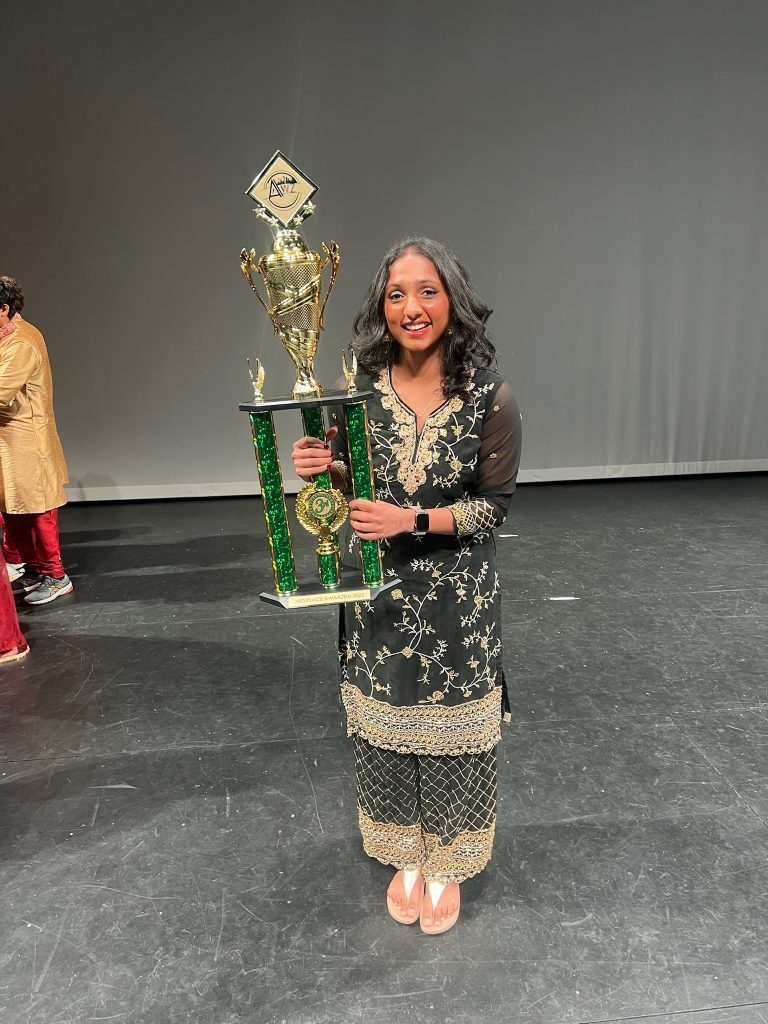
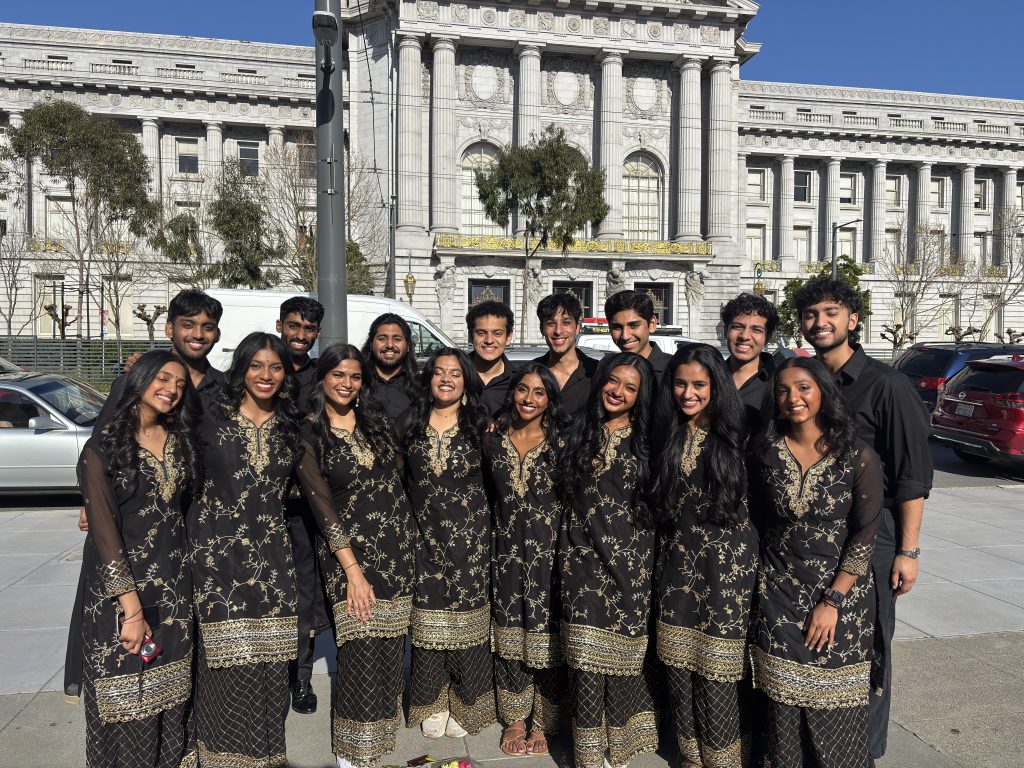
Role :
General Member (2022), Social Media Manager (2023), External Director (2024–2026), Captain (2025–2026)
Credits :
HUM A Cappella, Executive Board, Music Team, University of Texas at Austin, HUM Alumni
Release Date :
2022–2026
Runtime :
4 Seasons
Website :
HUM A Cappella
Synopsis >
When I joined HUM as a freshman, I was simply looking for a place to sing.
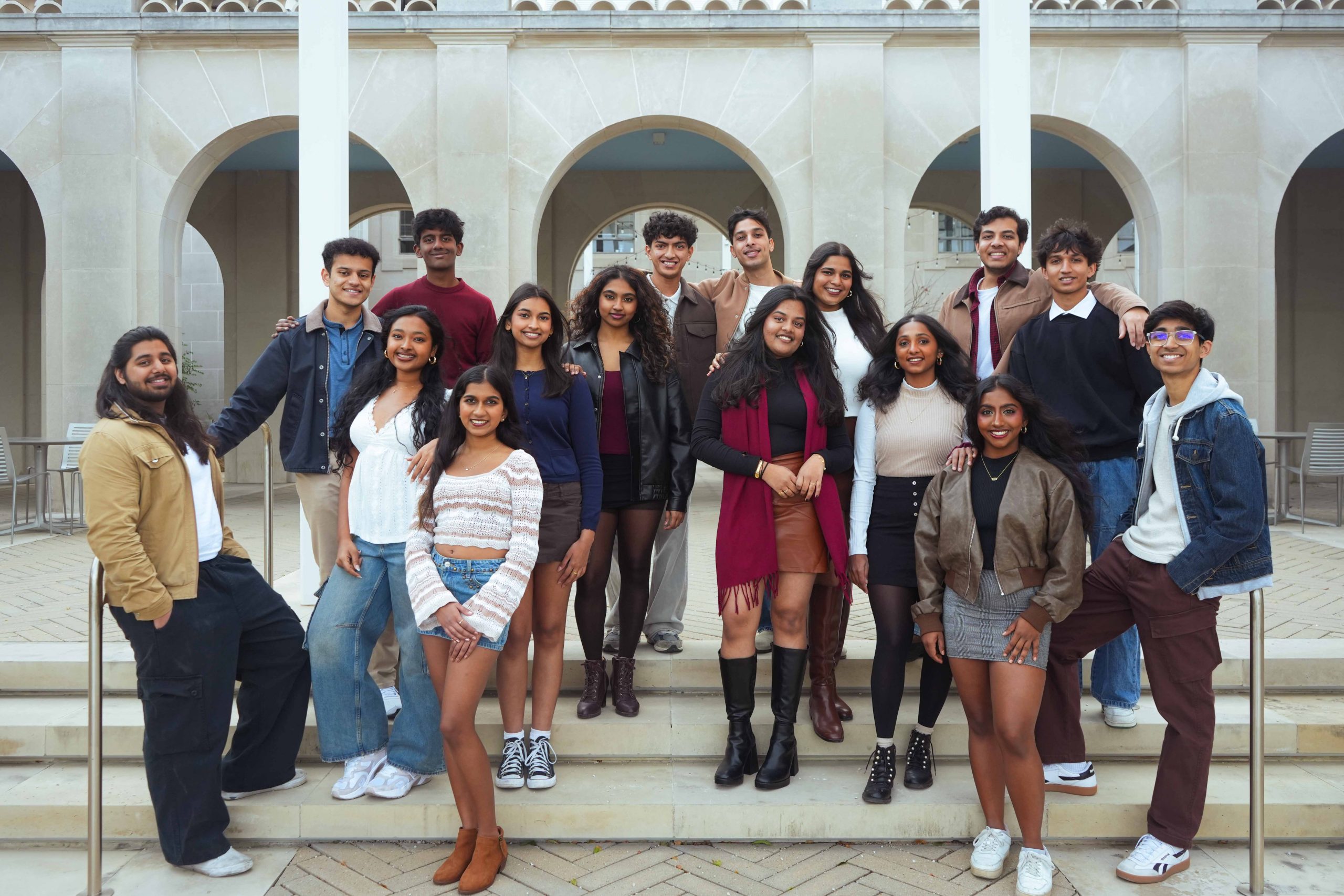
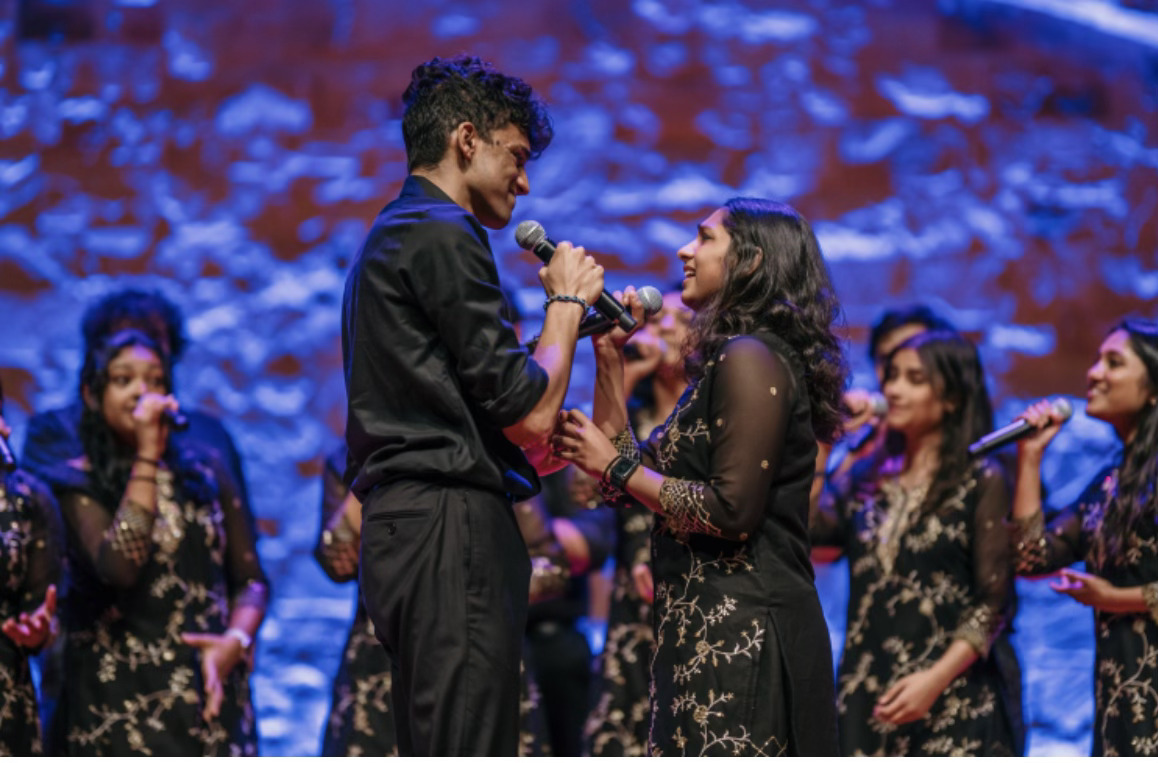
What I found instead was a community that celebrated South Asian American identity through music—a family built around creativity, culture, and a shared passion for performance. HUM wasn’t just preparing students for competitions; it was creating a space where people from different backgrounds could stay connected to their heritage while building friendships that lasted well beyond college.
Over four years, I had the opportunity to grow alongside the organization. Each leadership role challenged me to solve a different problem, gradually expanding my perspective from individual contributor to organizational leader.
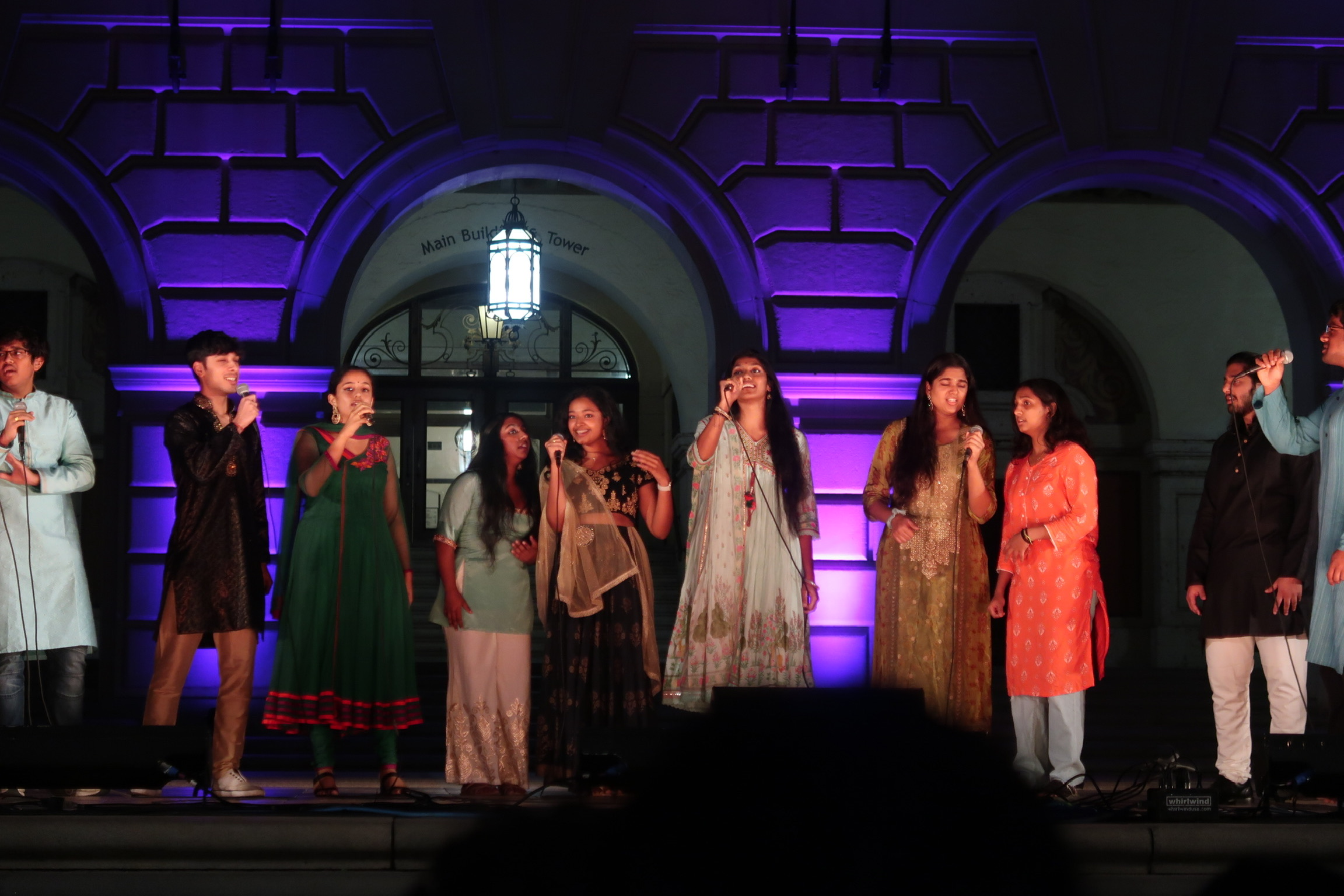
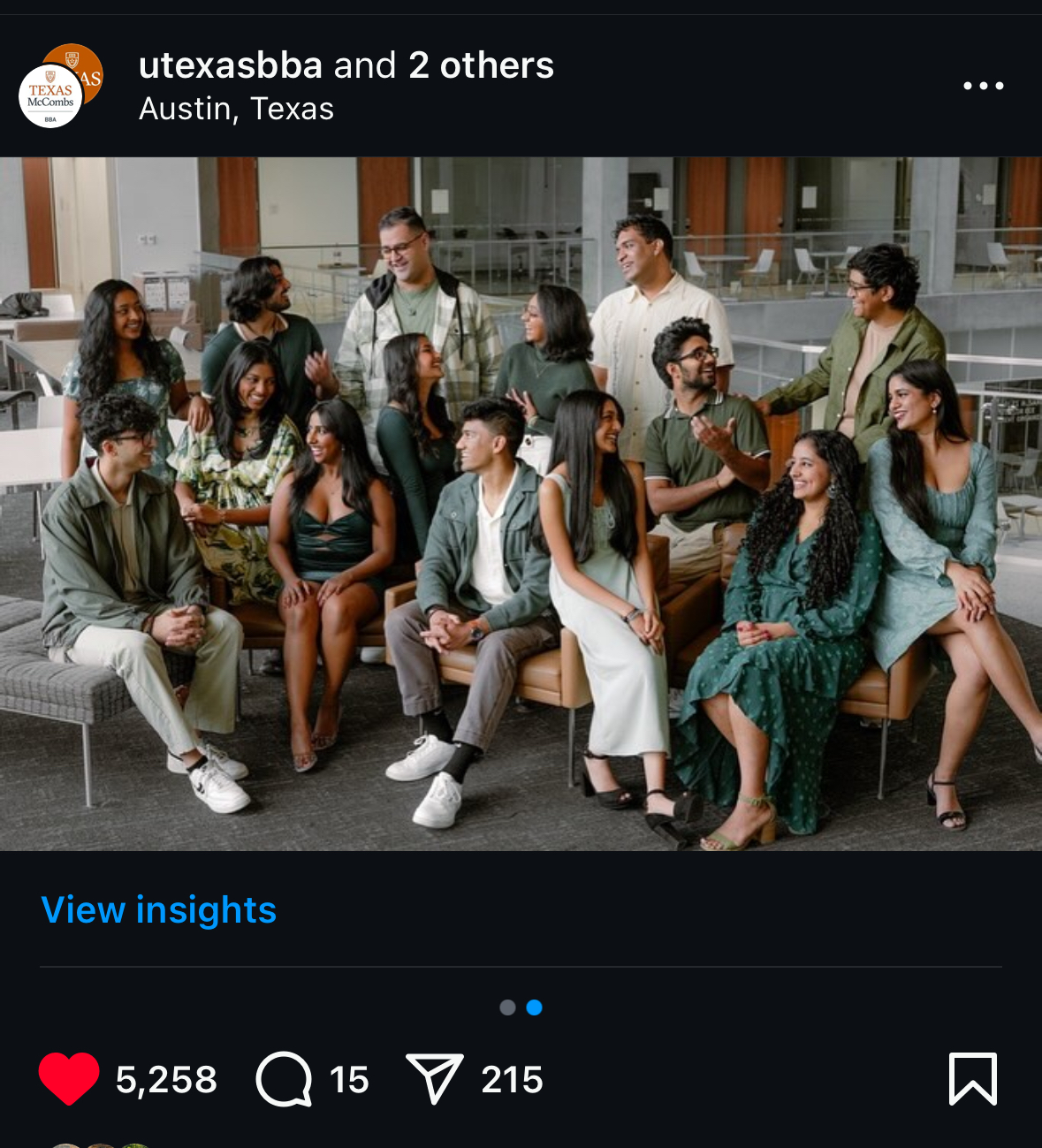
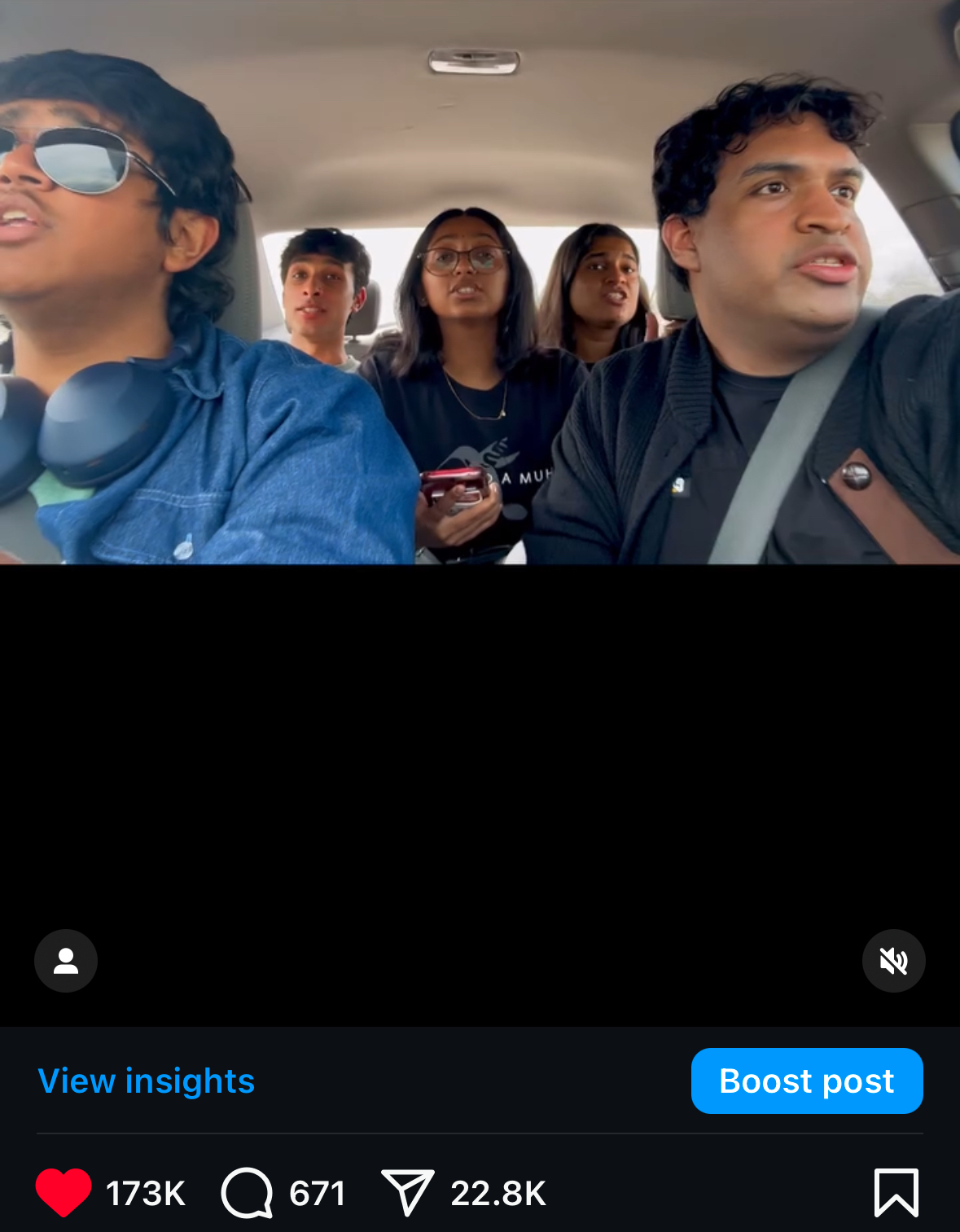
As Social Media Manager, I focused on telling HUM’s story beyond rehearsals and competitions. Through content strategy and creative campaigns, I helped the team reach more than 2 million viewers across Instagram, earned features on the official University of Texas social media channels and McCombs newsletters, and significantly increased the organization’s visibility across campus.
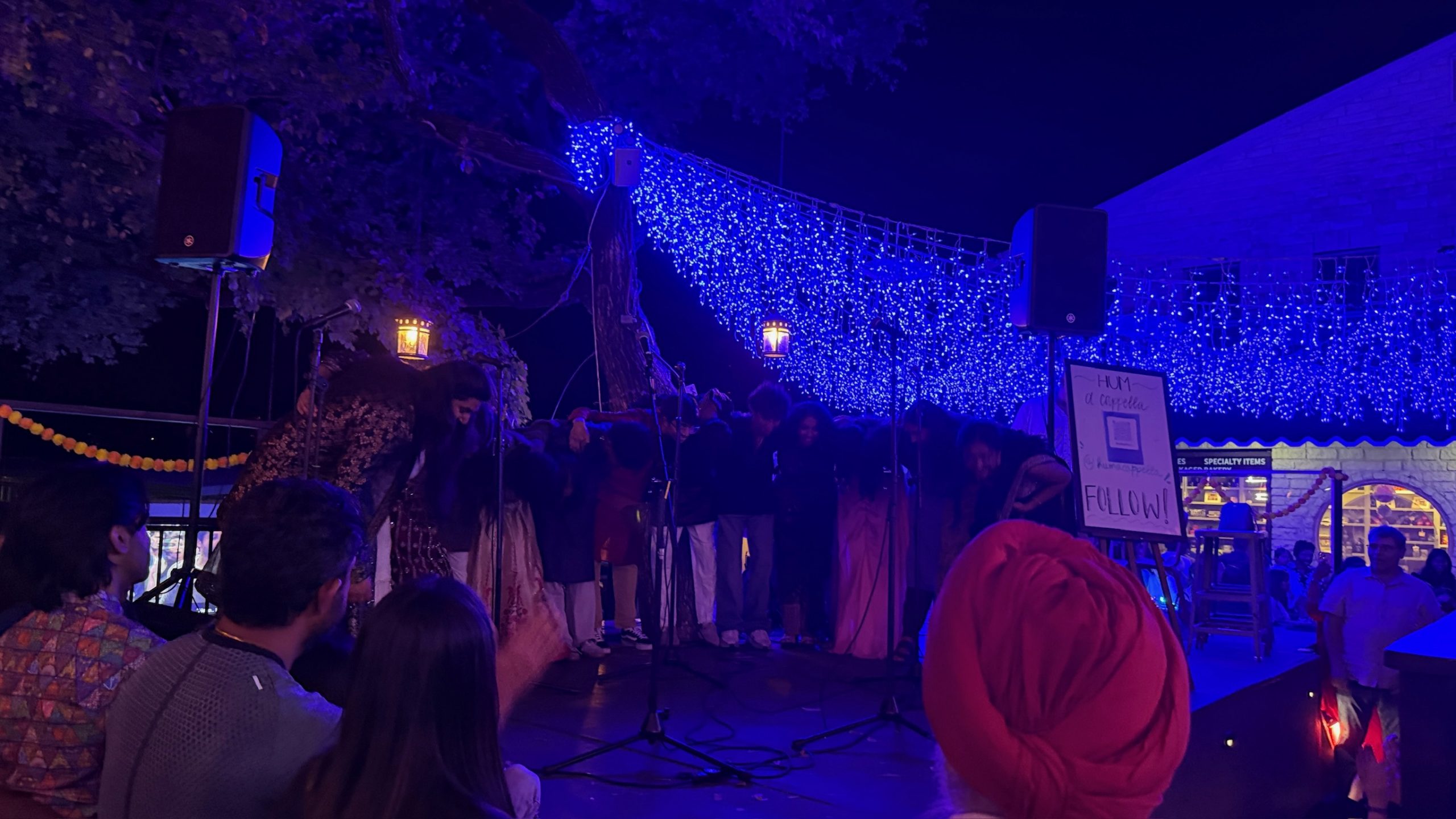
As External Director, I shifted my attention toward community partnerships. Starting with almost no personal network in Austin, I built relationships with local organizations, cultural groups, and event organizers that brought HUM onto larger stages throughout the city. We performed at venues including Mozart’s Coffee Roasters, expanded our presence within Austin’s South Asian performing arts community, and booked more performances than the organization had previously experienced.
Beyond performances, I helped redesign our fundraising strategy. By introducing new gig opportunities, coordinating fundraising initiatives, and establishing community partnerships, we generated nearly five times more performance revenue while raising approximately four times the organization’s annual operating budget. Those funds allowed the team to purchase custom costumes, merchandise, transportation, and competition resources without placing the financial burden on individual members.
My final chapter as Captain became less about performances and more about people.
I introduced a new operational system built entirely in Notion, creating transparent workflows for executive leadership and team members alike. Every project, rehearsal schedule, deadline, responsibility, and organizational update became centralized within an accessible platform, reducing communication gaps and allowing the executive board to consistently stay weeks ahead of schedule during one of the most demanding competition seasons in HUM’s history.
More importantly, I wanted every member to feel that they belonged.
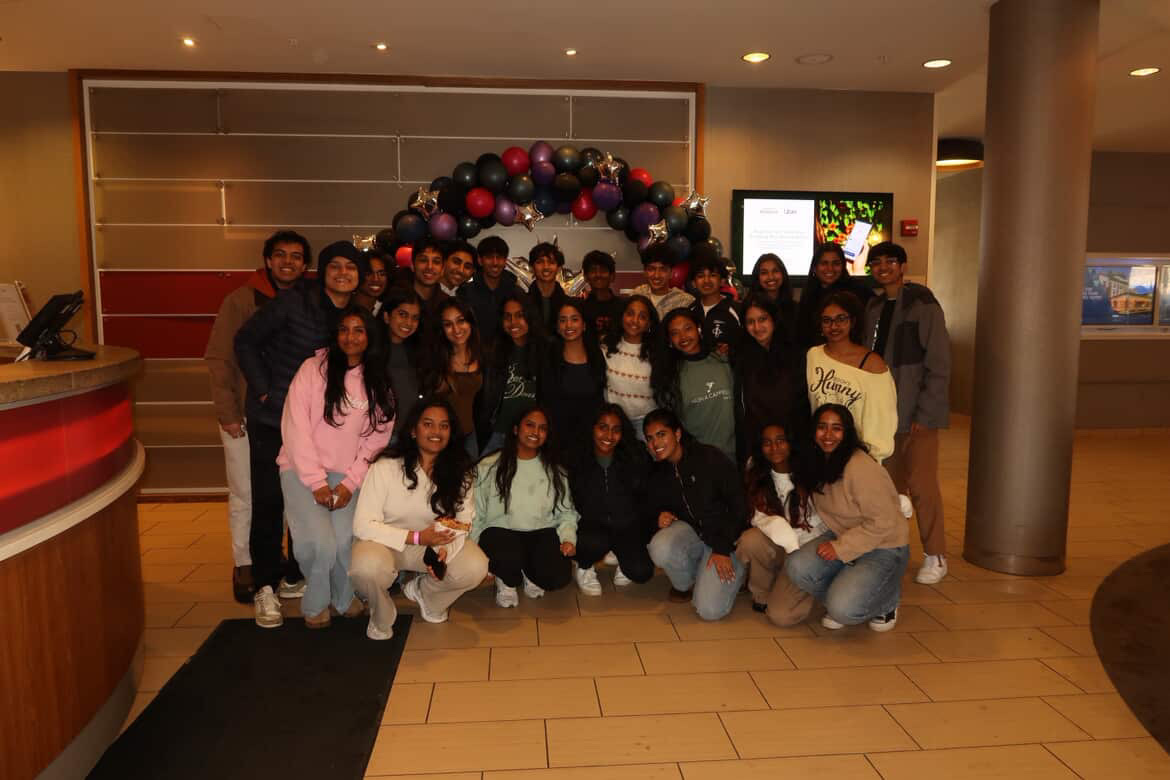
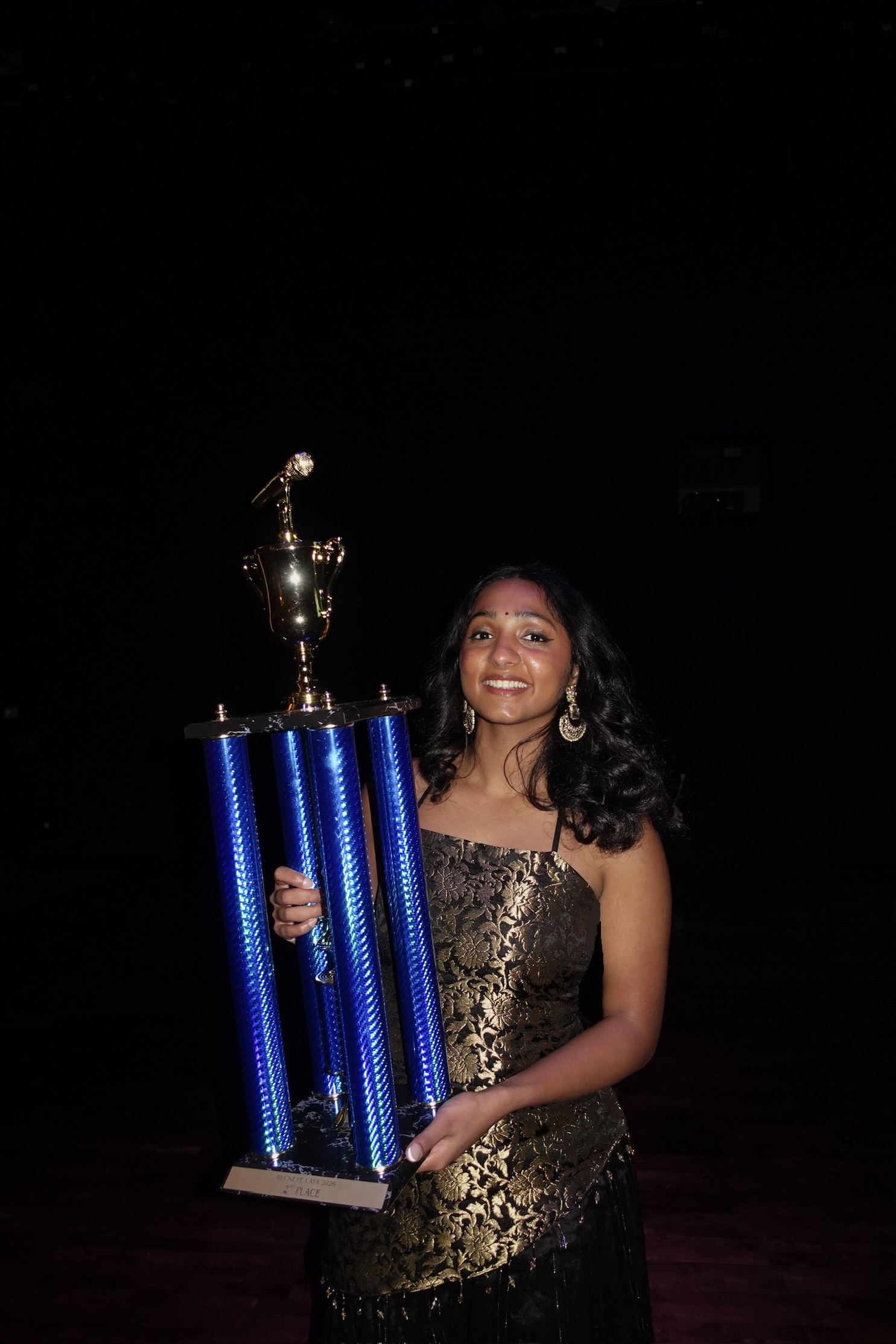
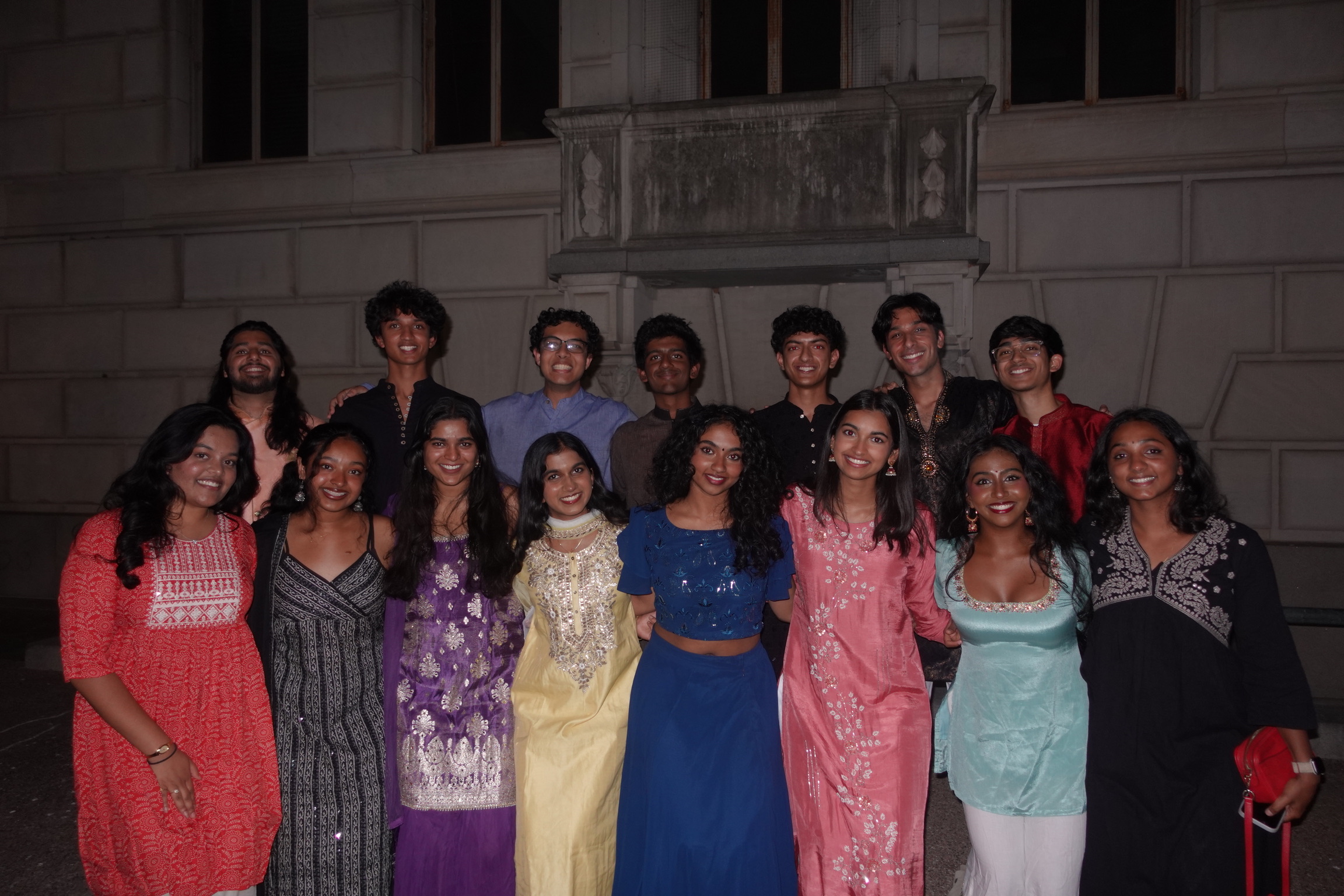
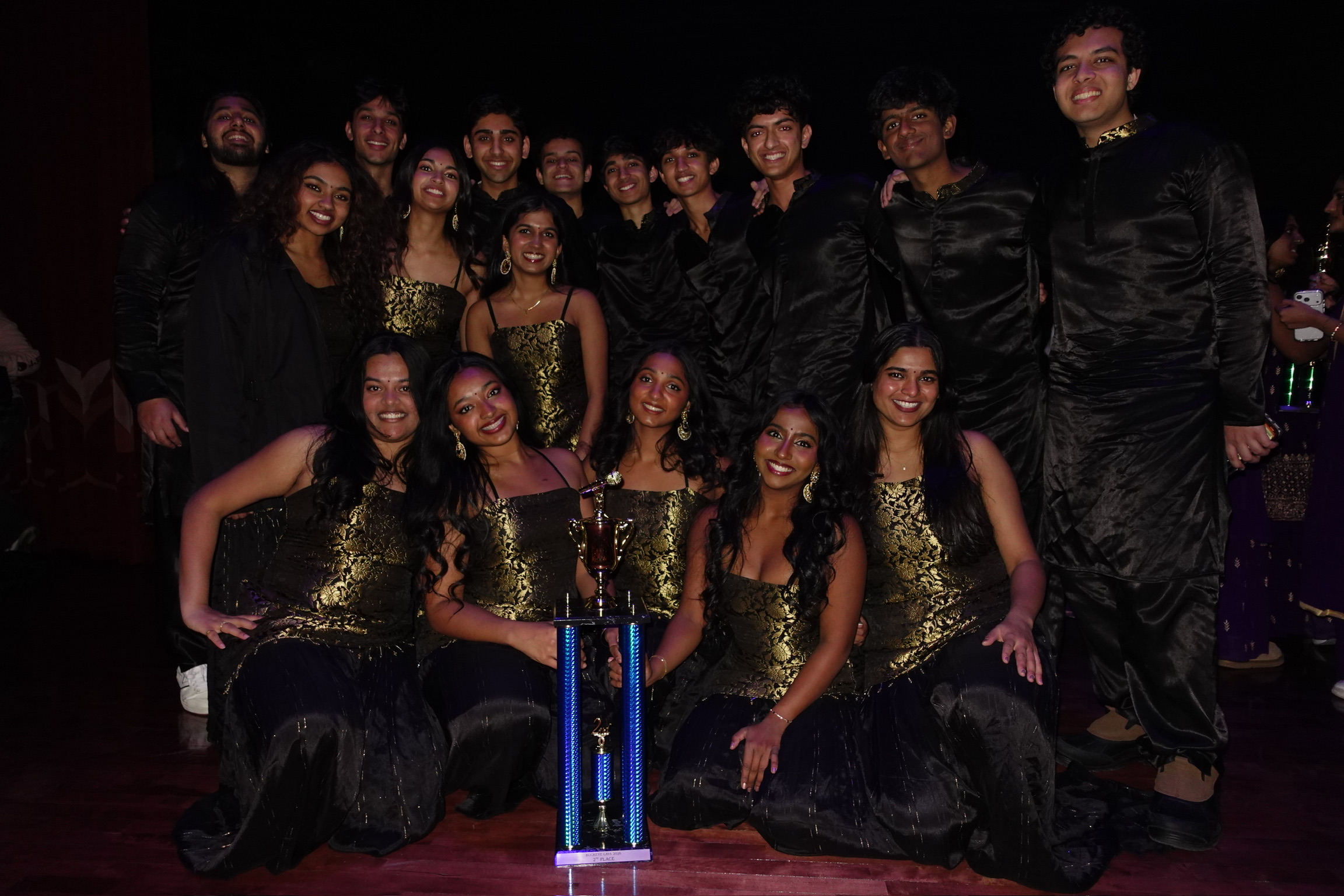
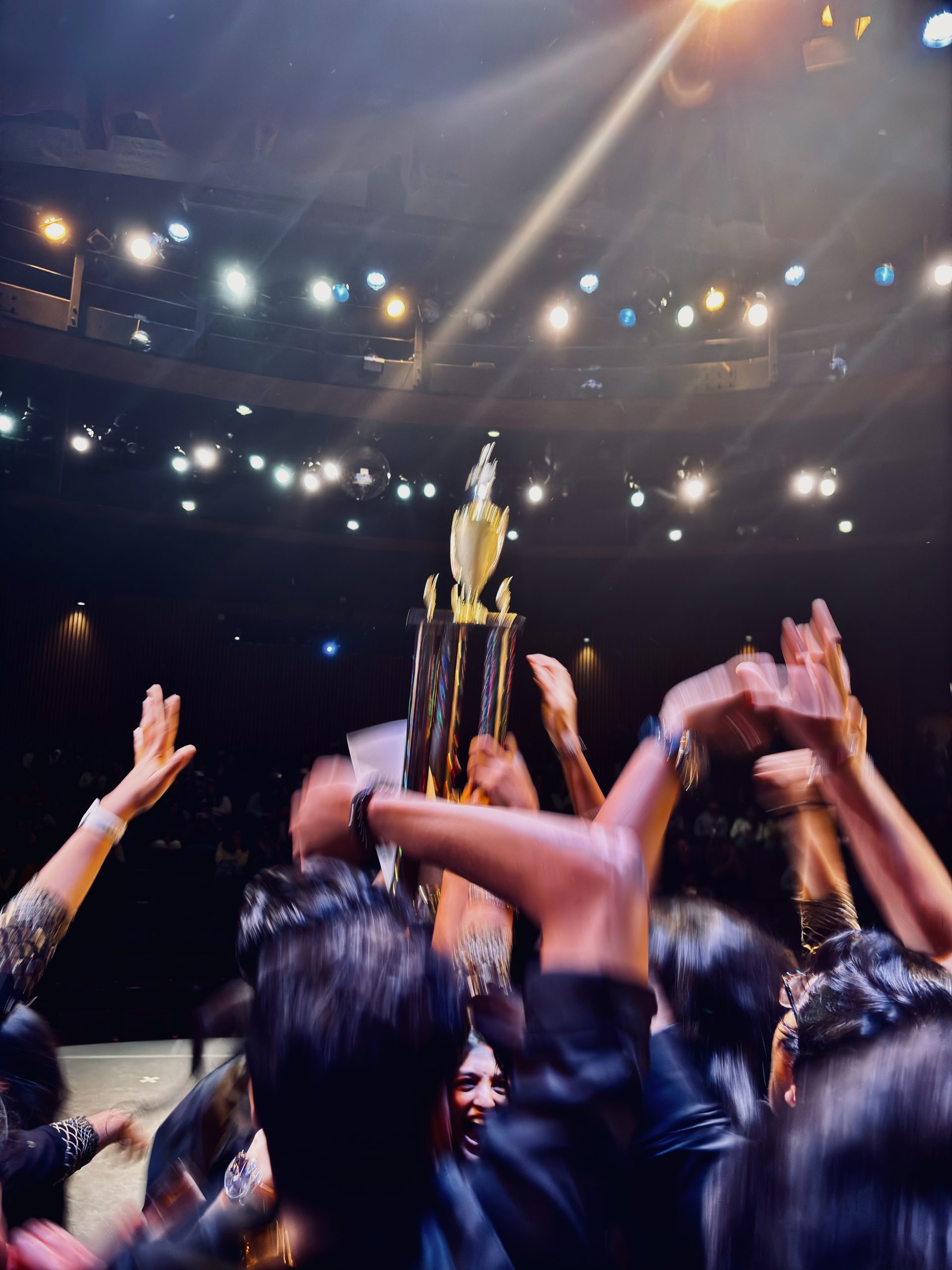
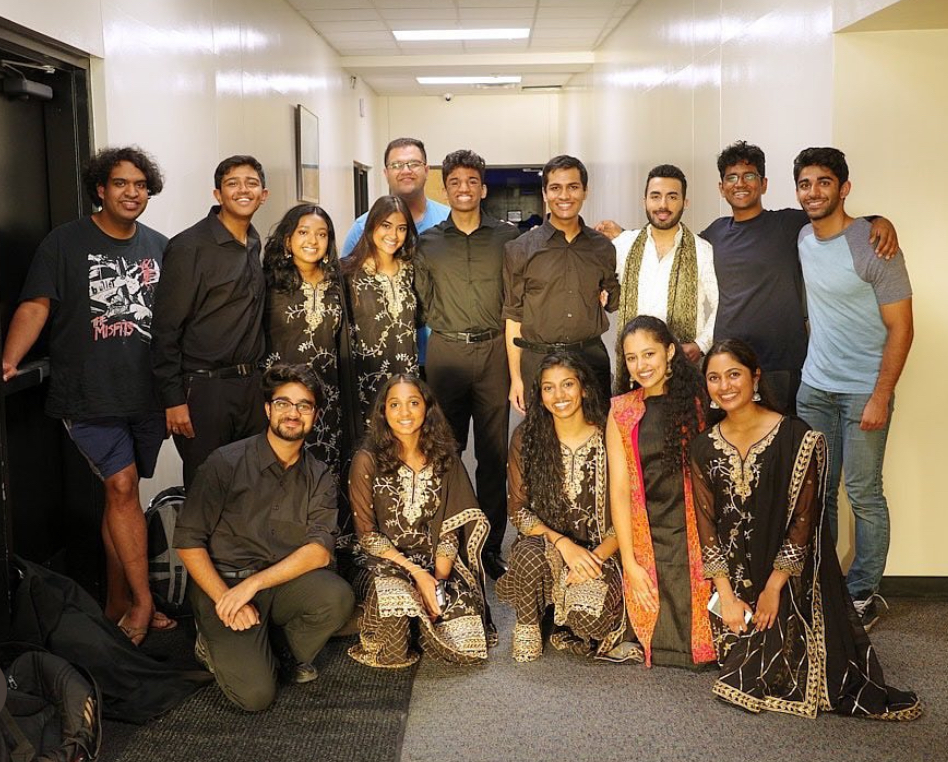
I intentionally invested in building a culture where collaboration extended beyond rehearsals and where people genuinely wanted to spend time together. That culture became most visible during competition season, when, after one performance, the team voluntarily stayed together until three o’clock in the morning—brainstorming, refining music, and supporting one another before our next competition only days later. Nobody had asked them to stay. They simply believed in what we were creating together.
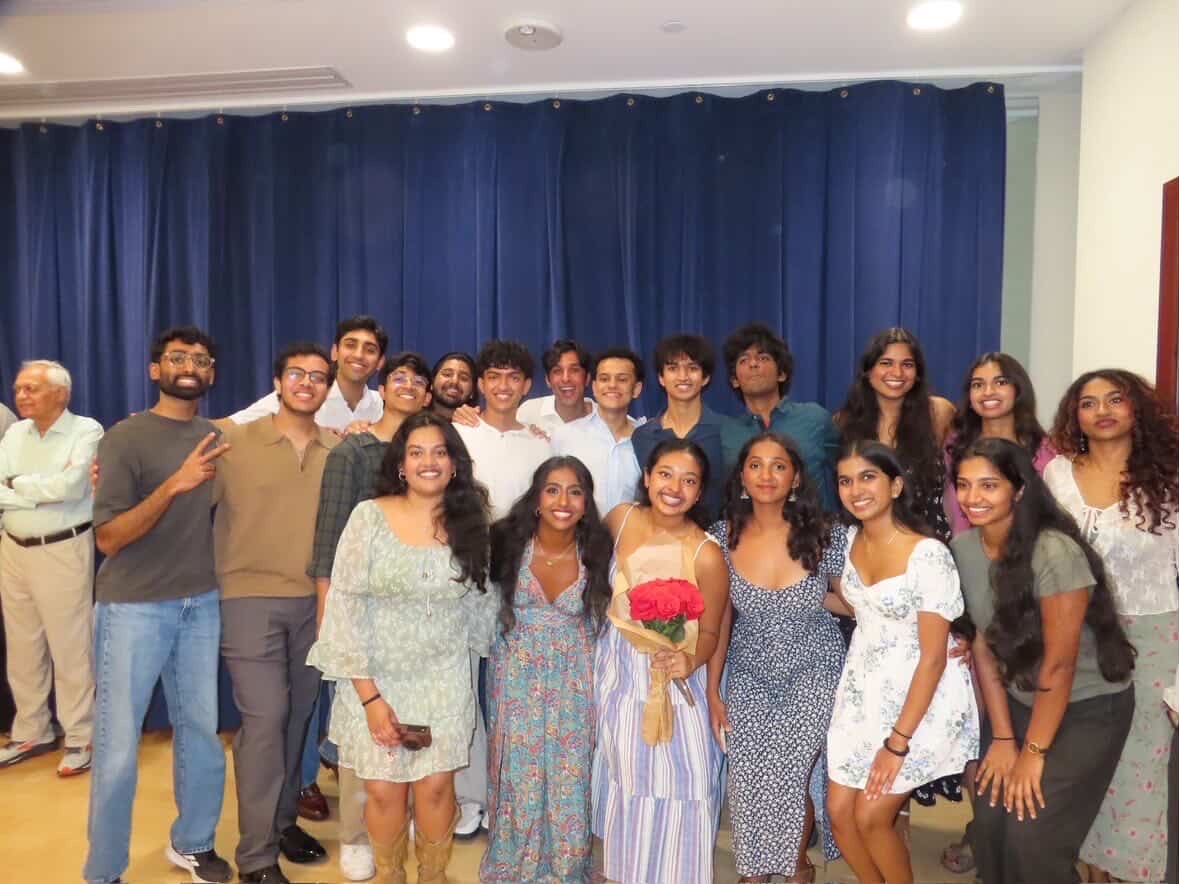
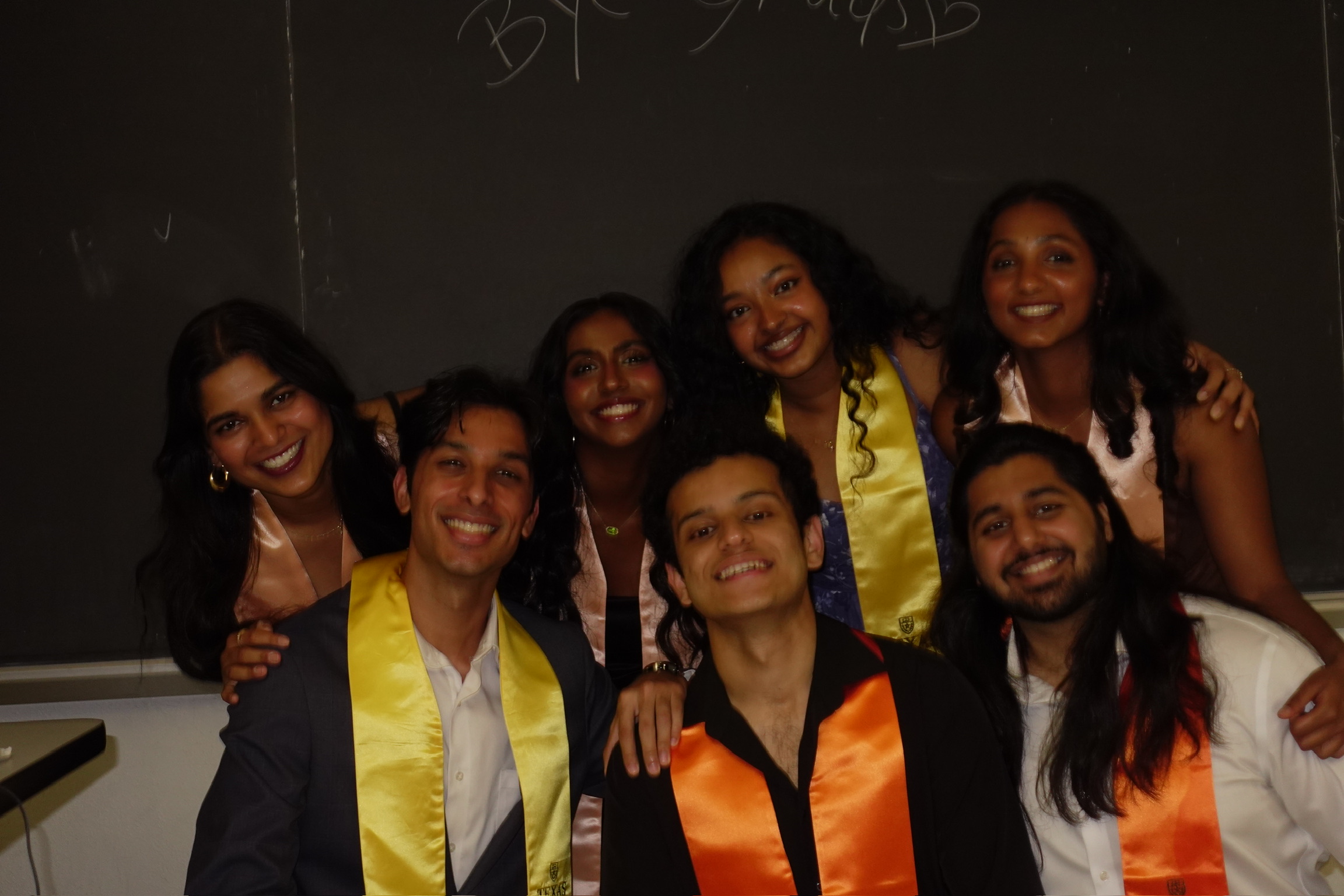
Alongside leading the competitive season, I rebuilt HUM’s alumni network from the ground up and organized the organization’s largest twenty-fifth anniversary reunion, reconnecting generations of alumni across the country and ensuring that the community HUM had built over decades would continue long after current members graduated.
Looking back, my greatest contribution wasn’t any single performance, competition, or event.
It was helping strengthen the systems, culture, and community that allowed others to succeed—and leaving the organization stronger than I found it.
Photos >
Videos >
Top Cast >

HUM A Cappella
Executive Board
Music Team
University of Texas at Austin
HUM Alumni Network
Austin South Asian Community
Did you know?
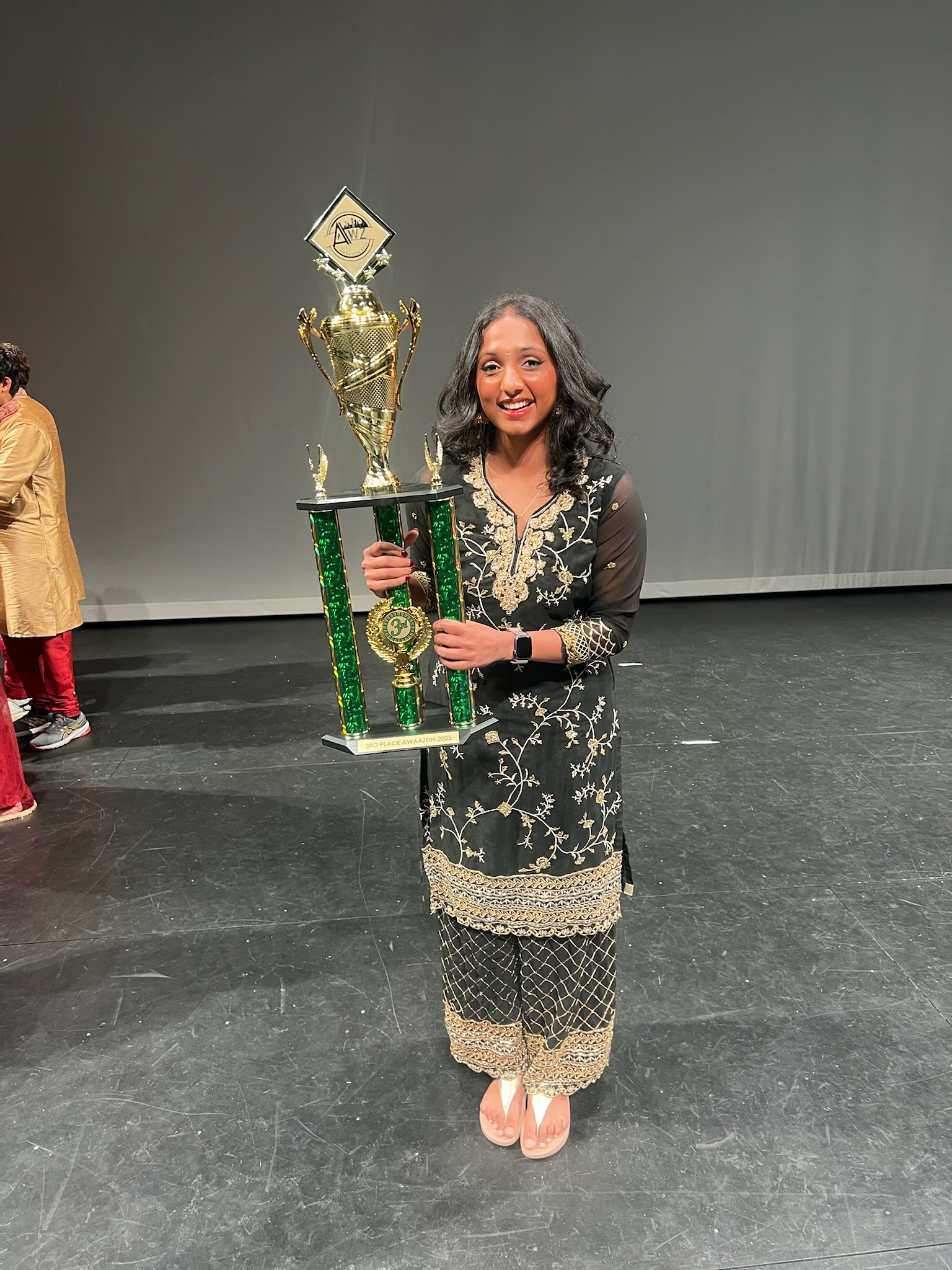
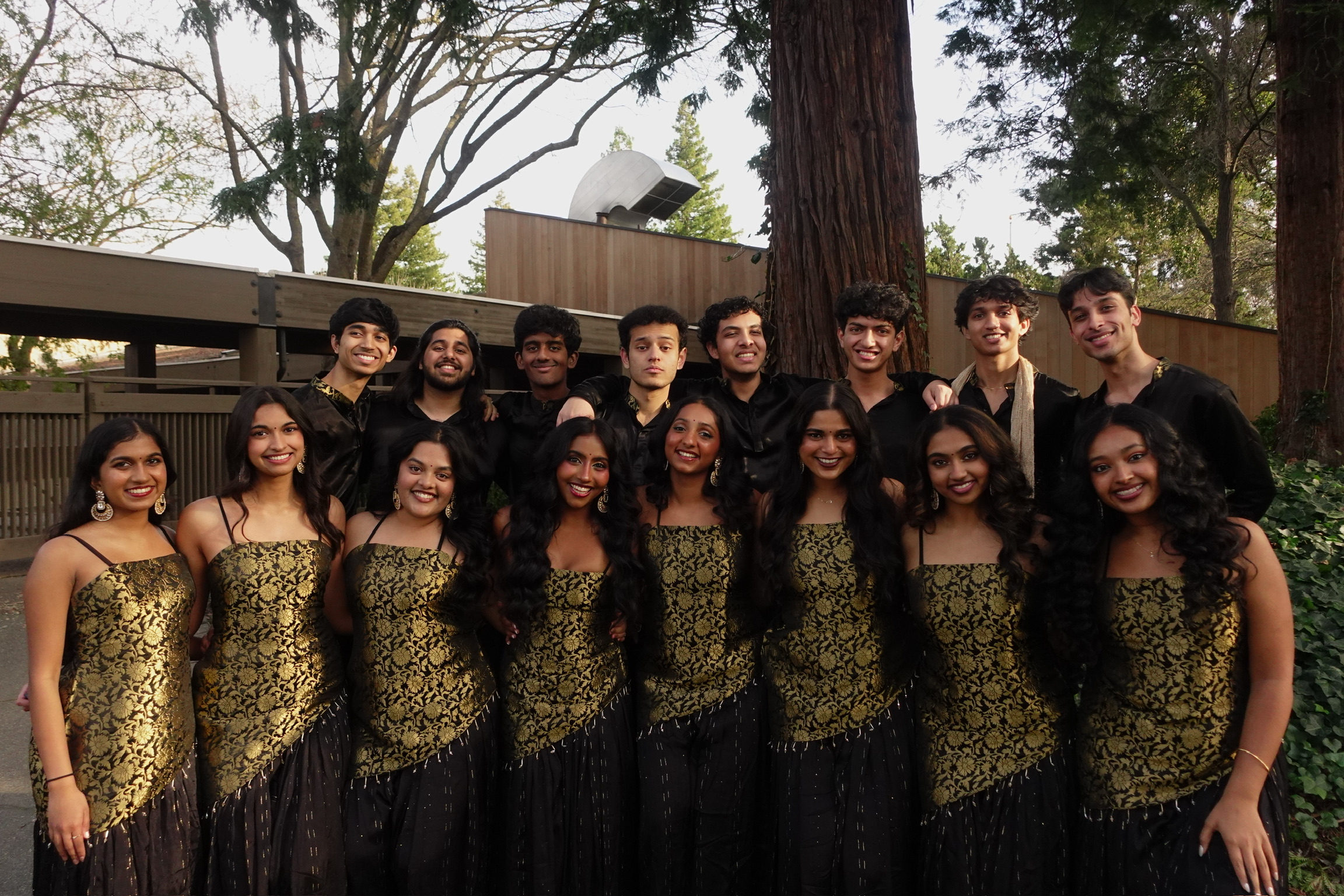
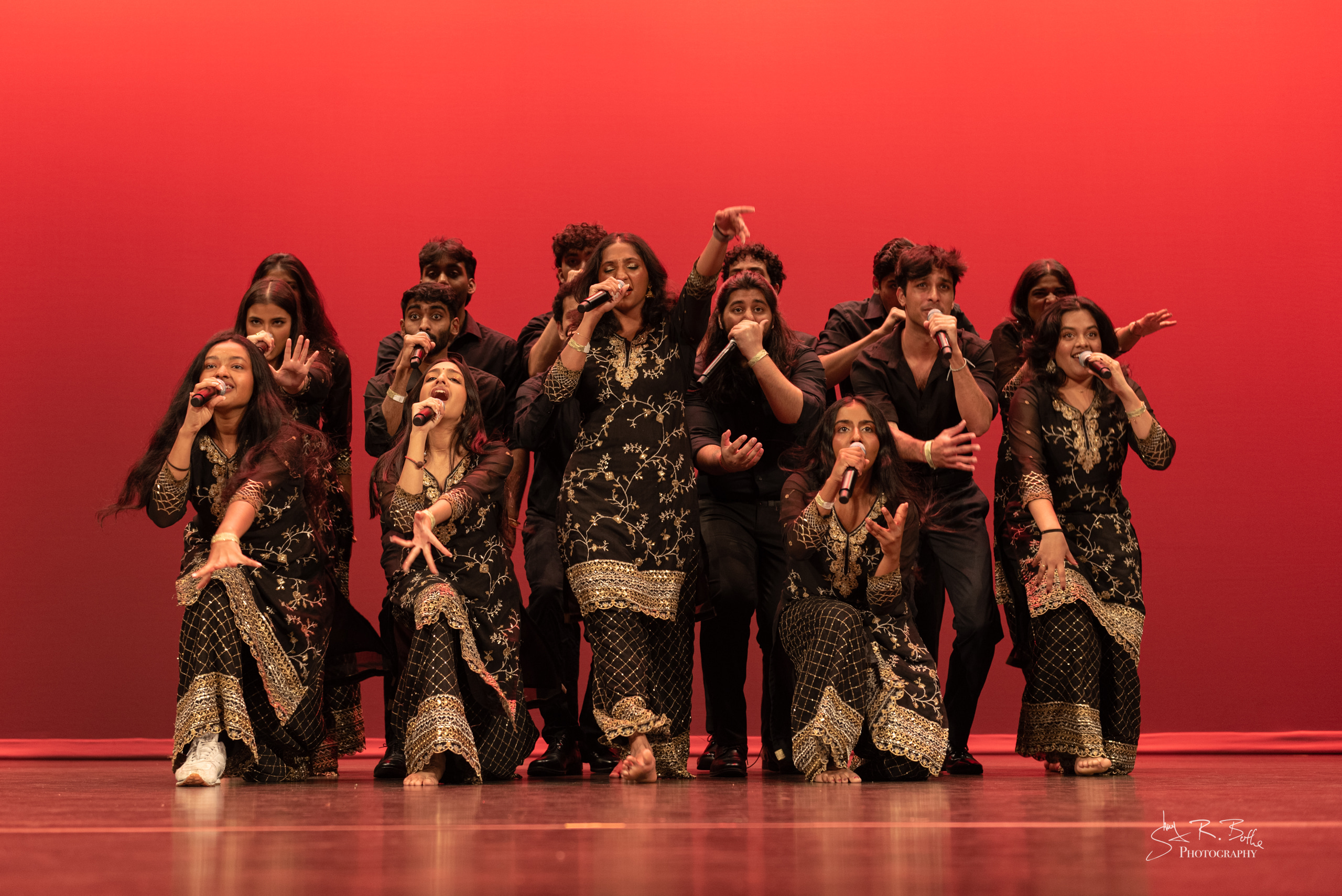
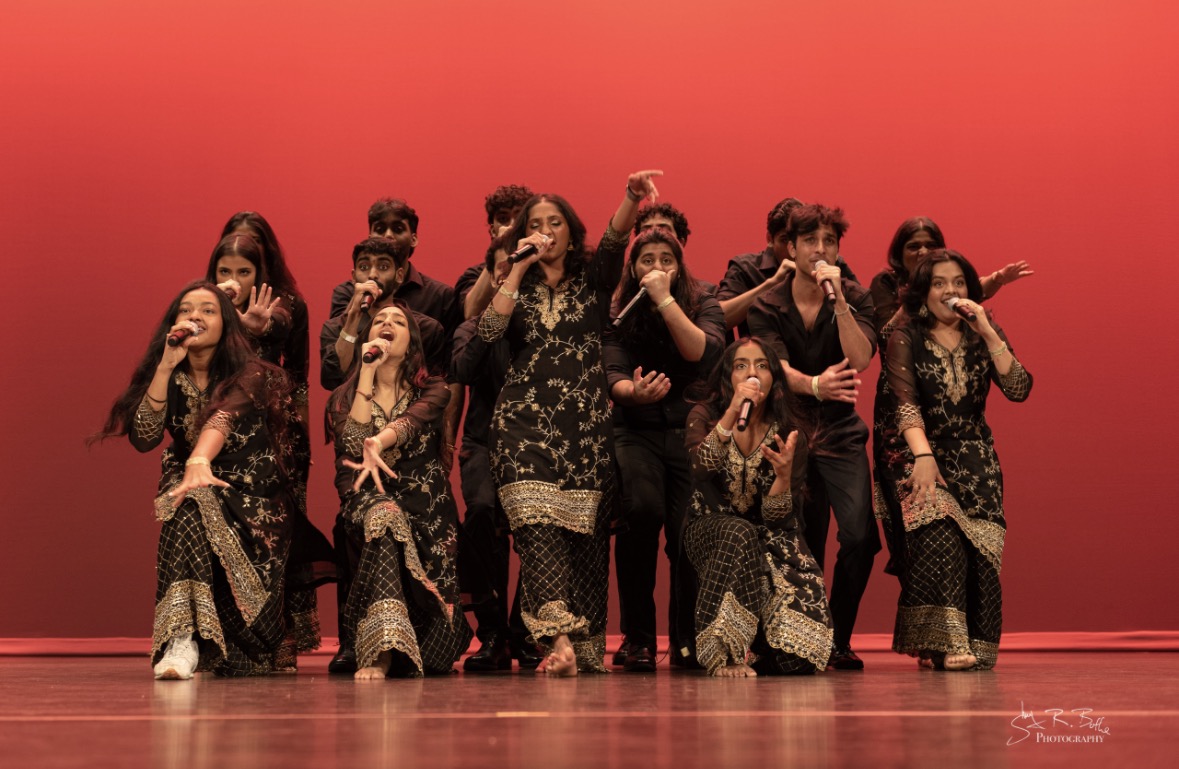
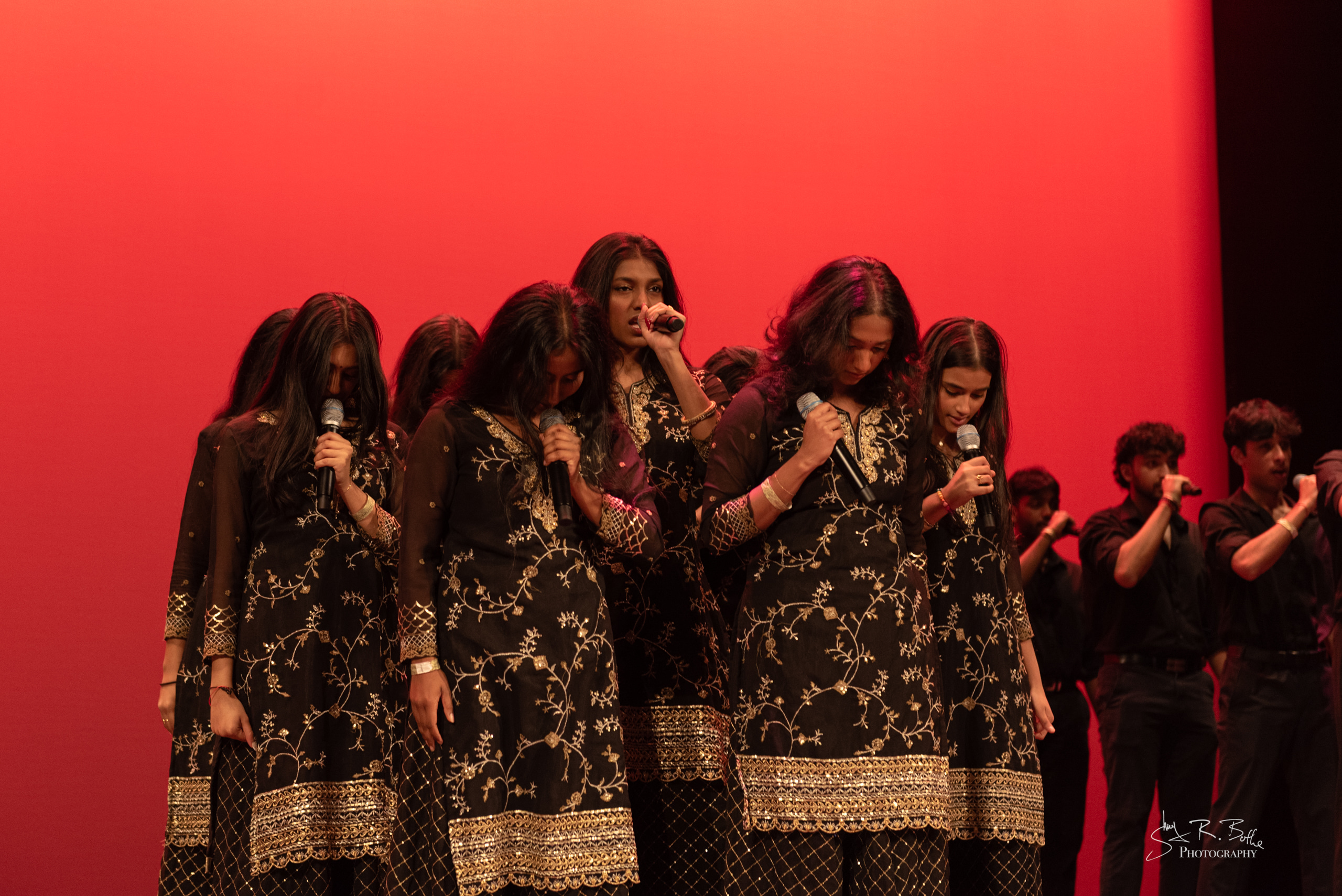
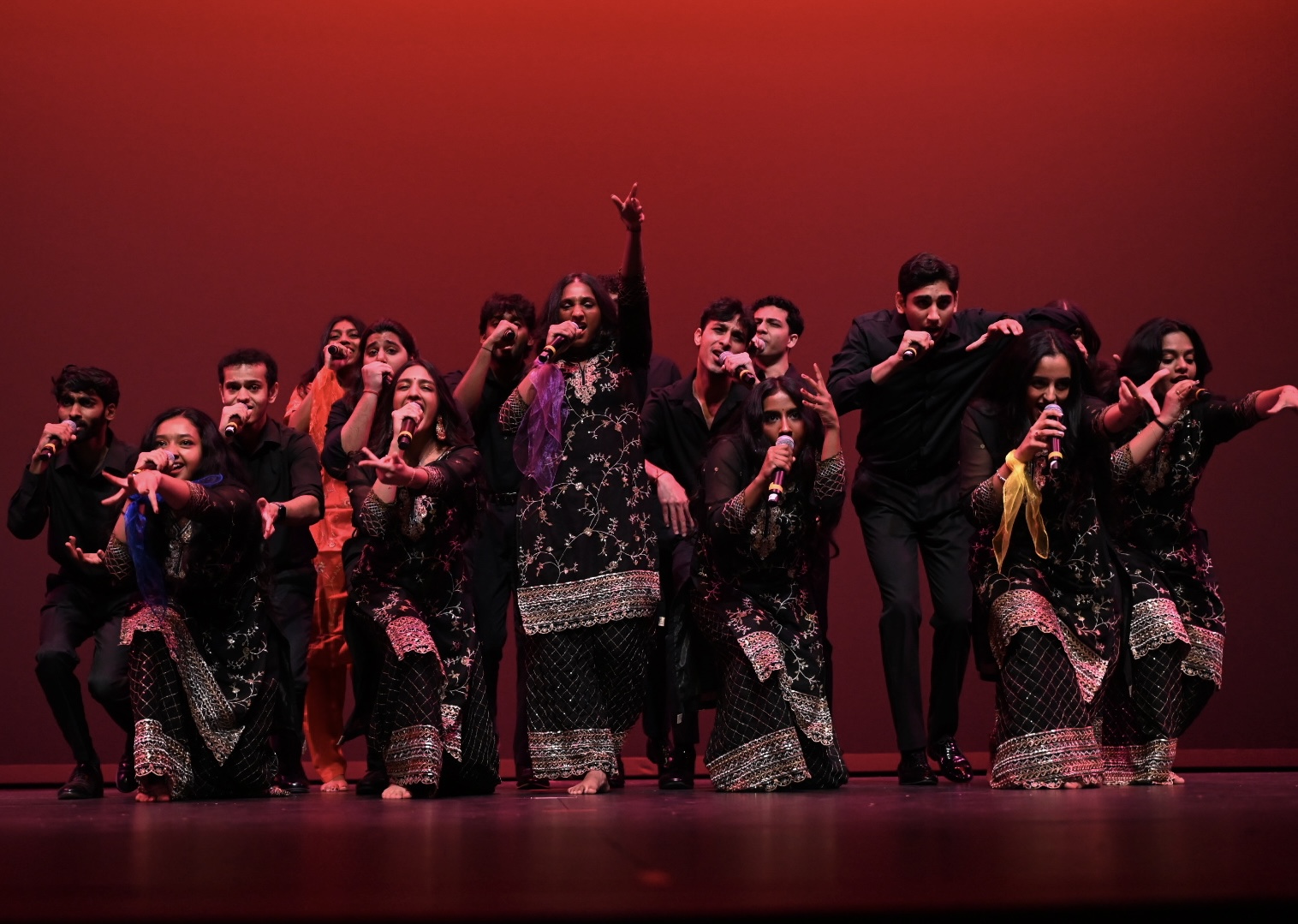
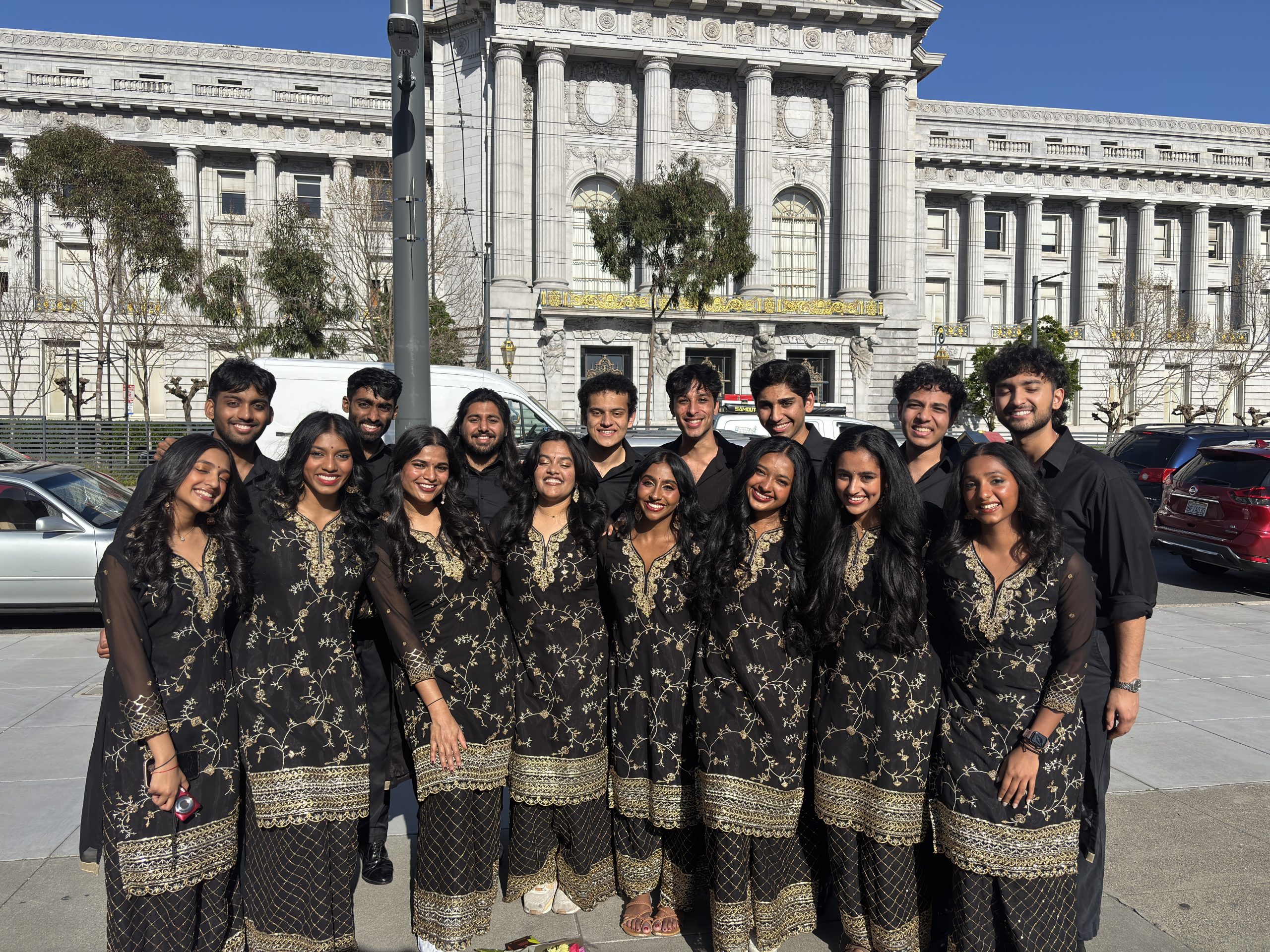
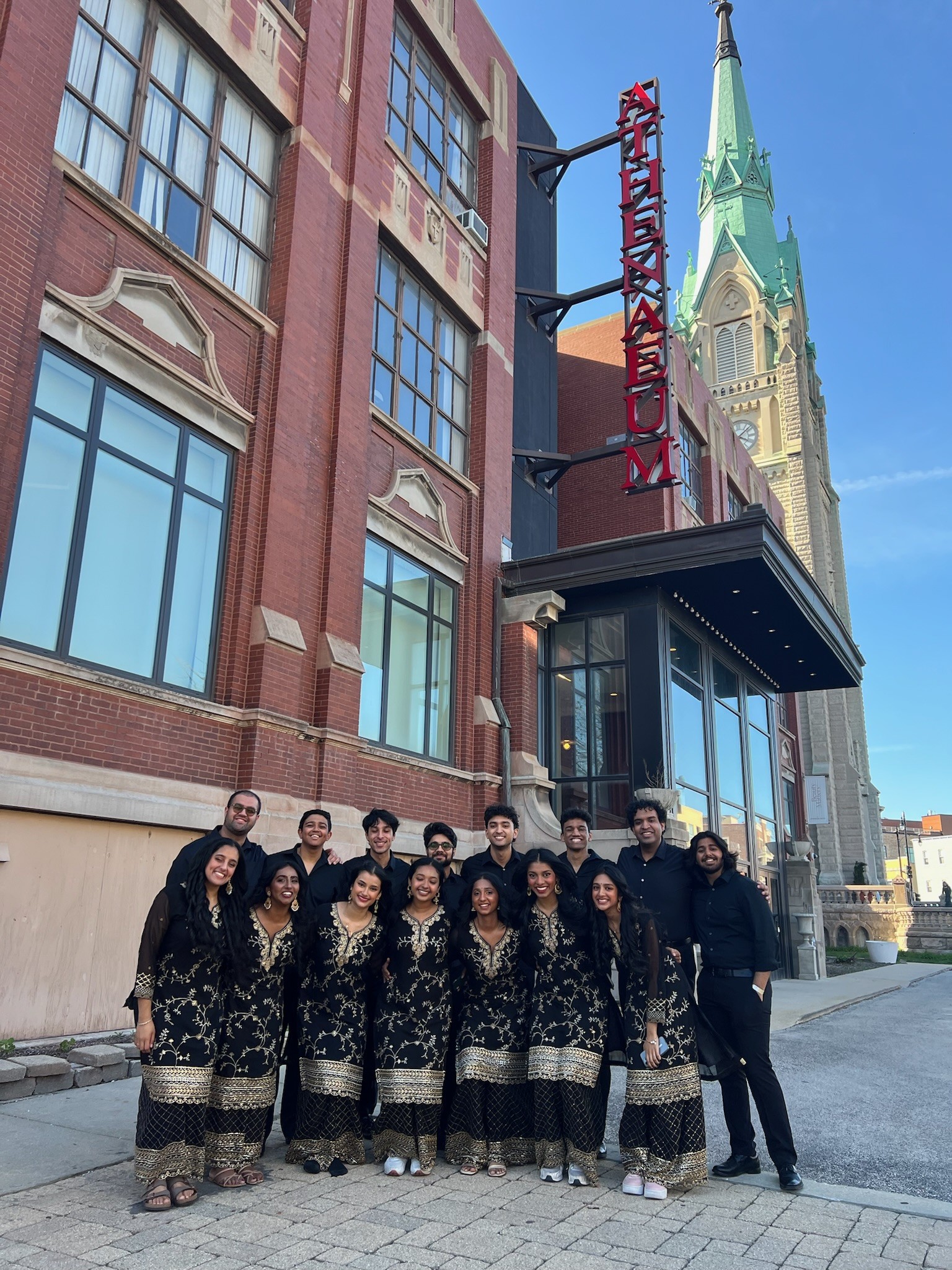
The custom competition costumes I designed became so recognizable on the collegiate a cappella circuit that other teams began reaching out asking where they had been made. By our second competition, many people recognized HUM before we even stepped on stage.
Reviews
“The leadership and care that went into this team was felt in everything—from rehearsals to competitions to the relationships we built along the way.”
“Thank you for giving us a reason to reconnect with friends we hadn’t seen in years. It felt like coming home.”