Opening Scene
The Sanger Learning Center offered some of the University’s most valuable academic resources, from one-on-one coaching to tutoring and study strategy support. Yet despite the quality of its services, many students simply didn’t know it existed.
Ironically, I had experienced this myself. Even as a student, I wasn’t fully aware of everything Sanger offered until I became involved with the department. The challenge wasn’t the service itself—it was accessibility. Located deep inside Jester Center, Sanger relied on students finding it, rather than meeting students where they already were.
I began asking a different question: what if students experienced academic coaching before they ever booked an appointment?
The Plot
Rather than promoting Sanger through traditional marketing, I wanted students to interact with the service firsthand.
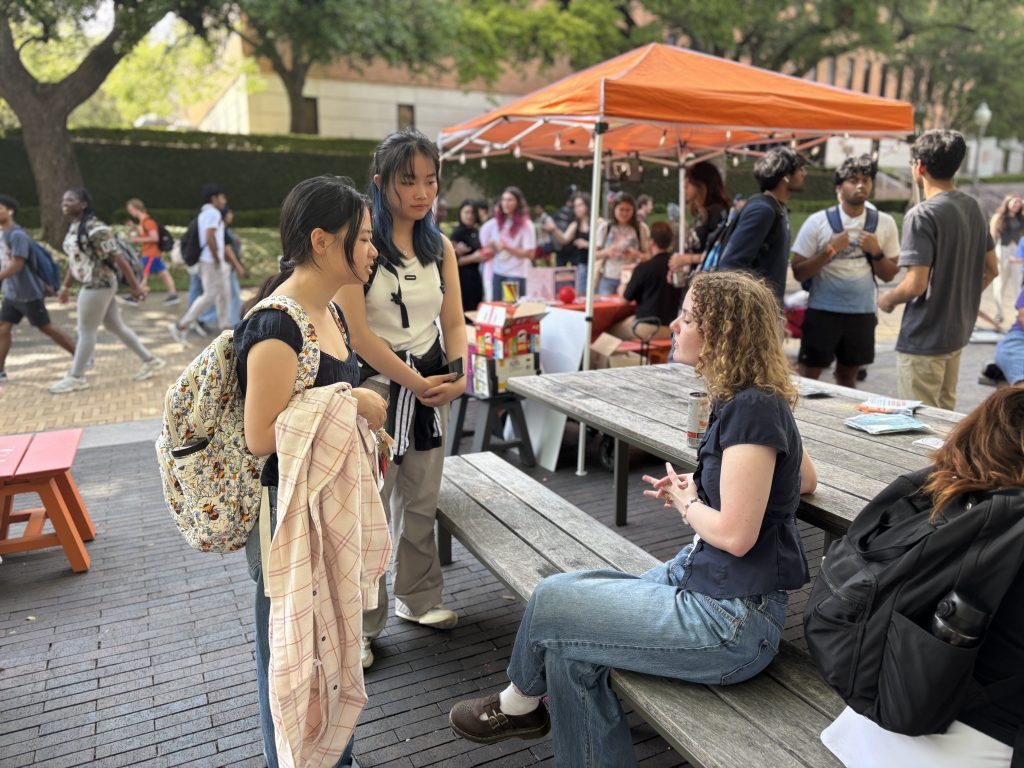
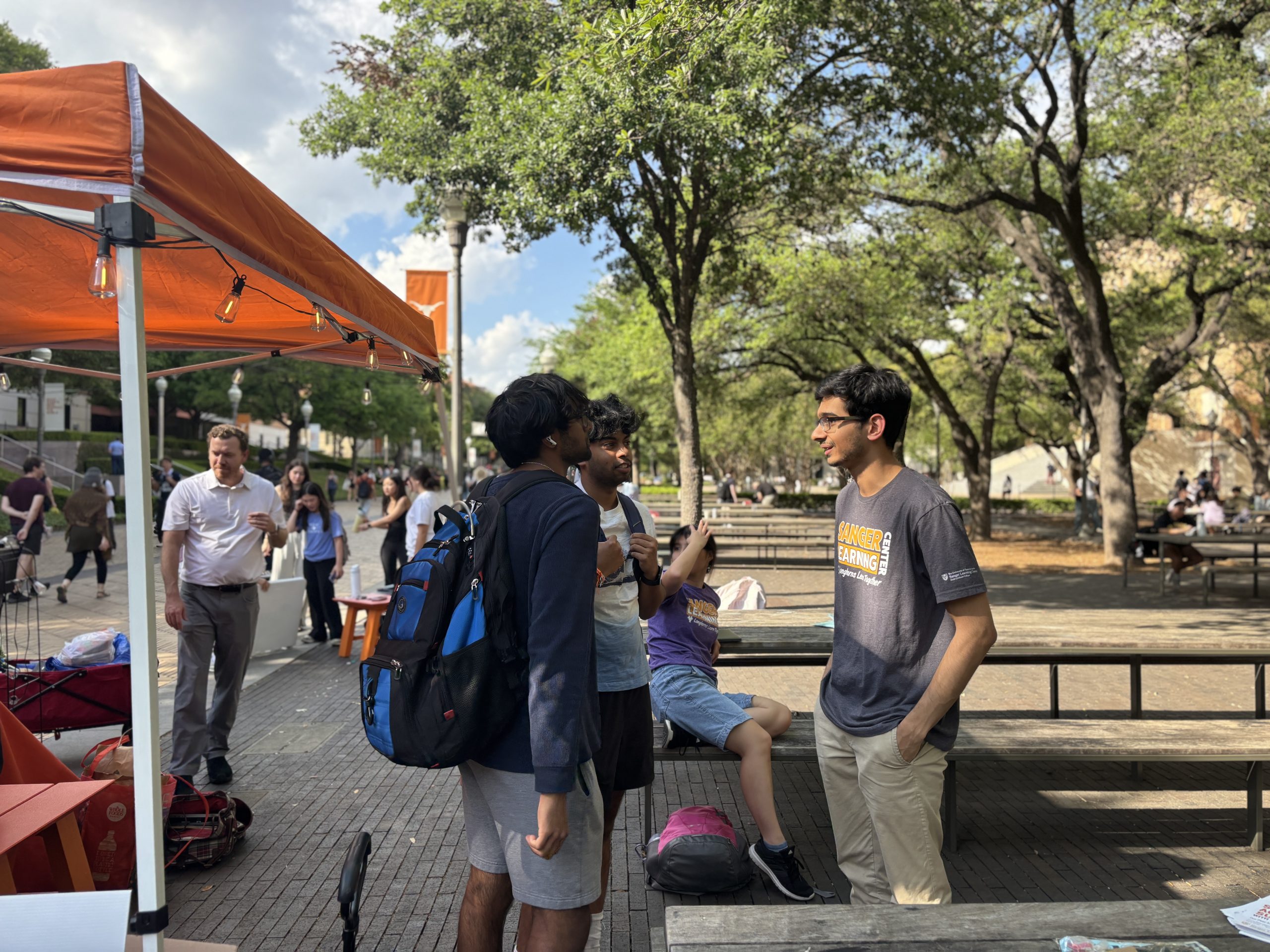
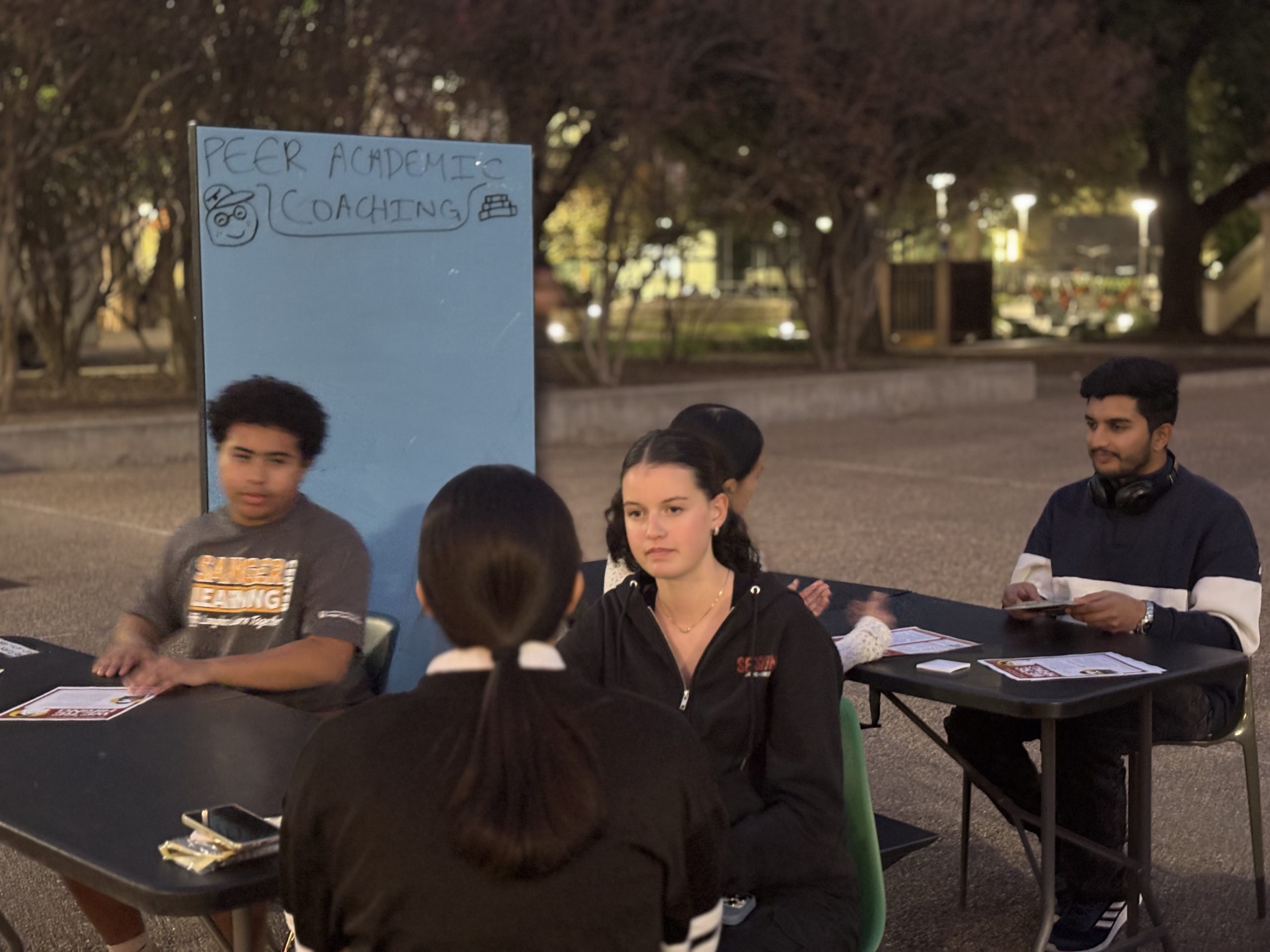
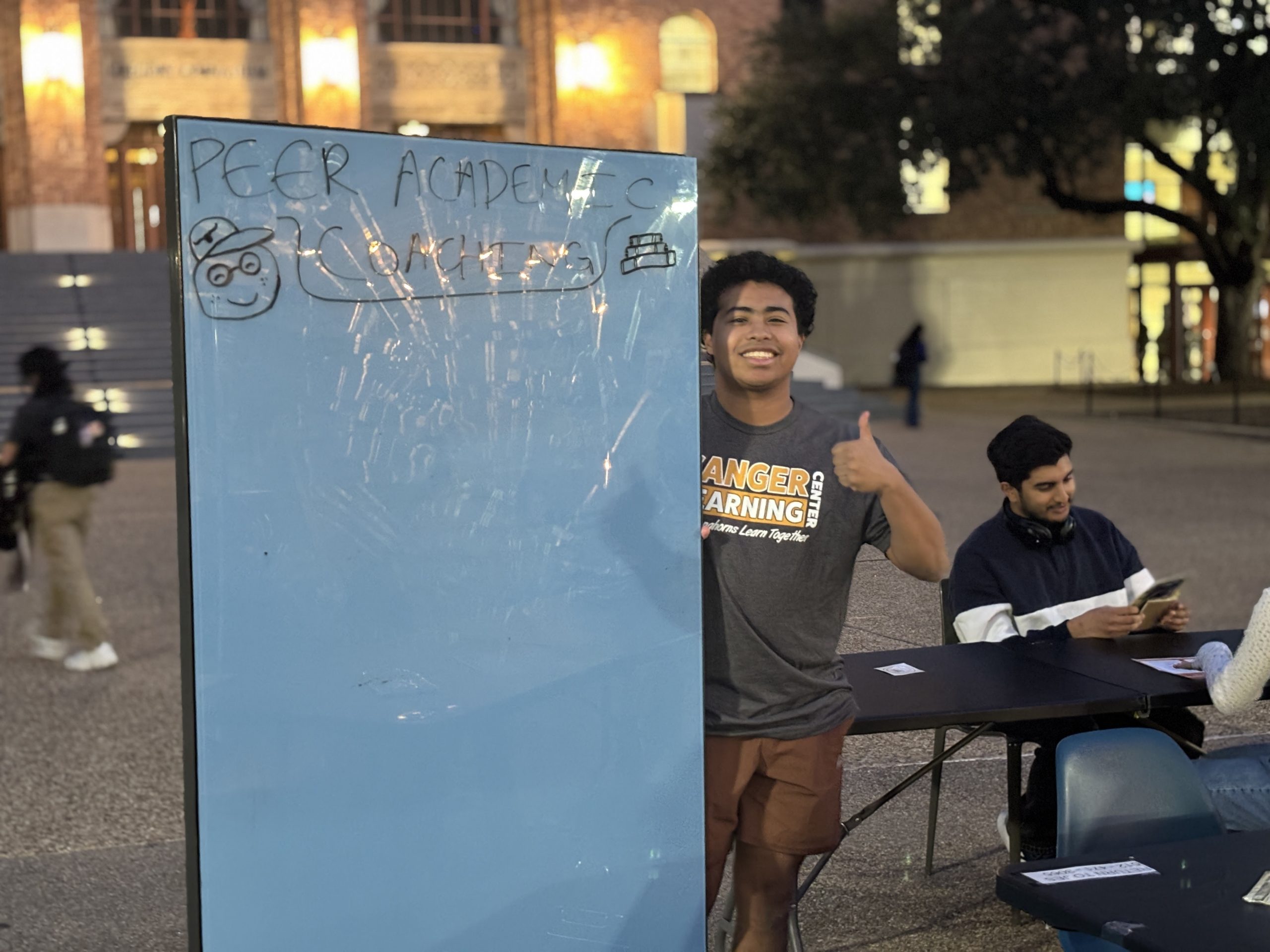
The idea was simple: create short, high-energy coaching experiences that demonstrated the value of academic coaching in just a few minutes. If students could immediately walk away with practical strategies, they would be far more likely to trust the service and return for deeper support later.
Instead of marketing the service, the event itself would become the marketing.
Behind the Camera
The project evolved over three iterations, each building on lessons from the previous one.
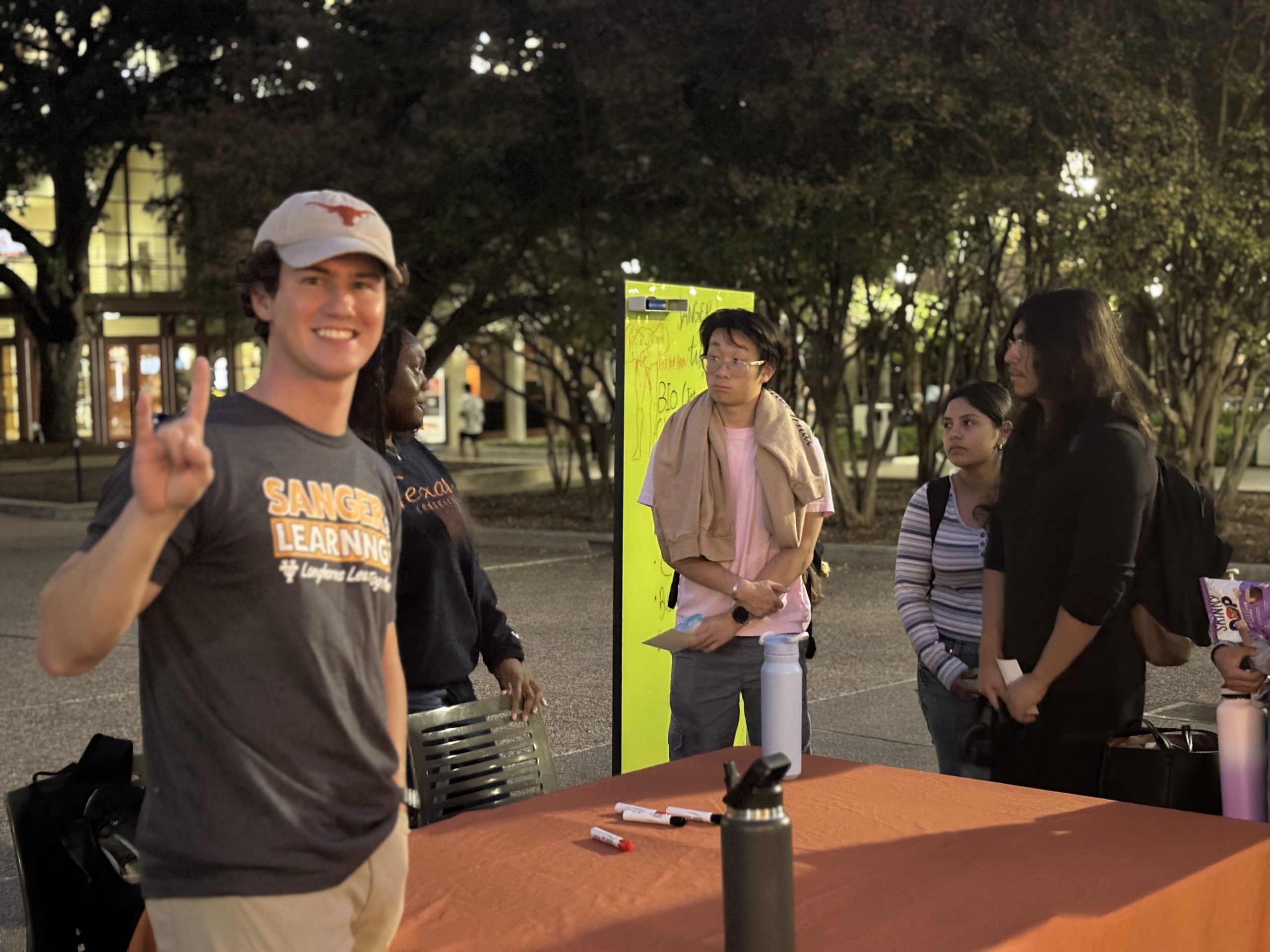
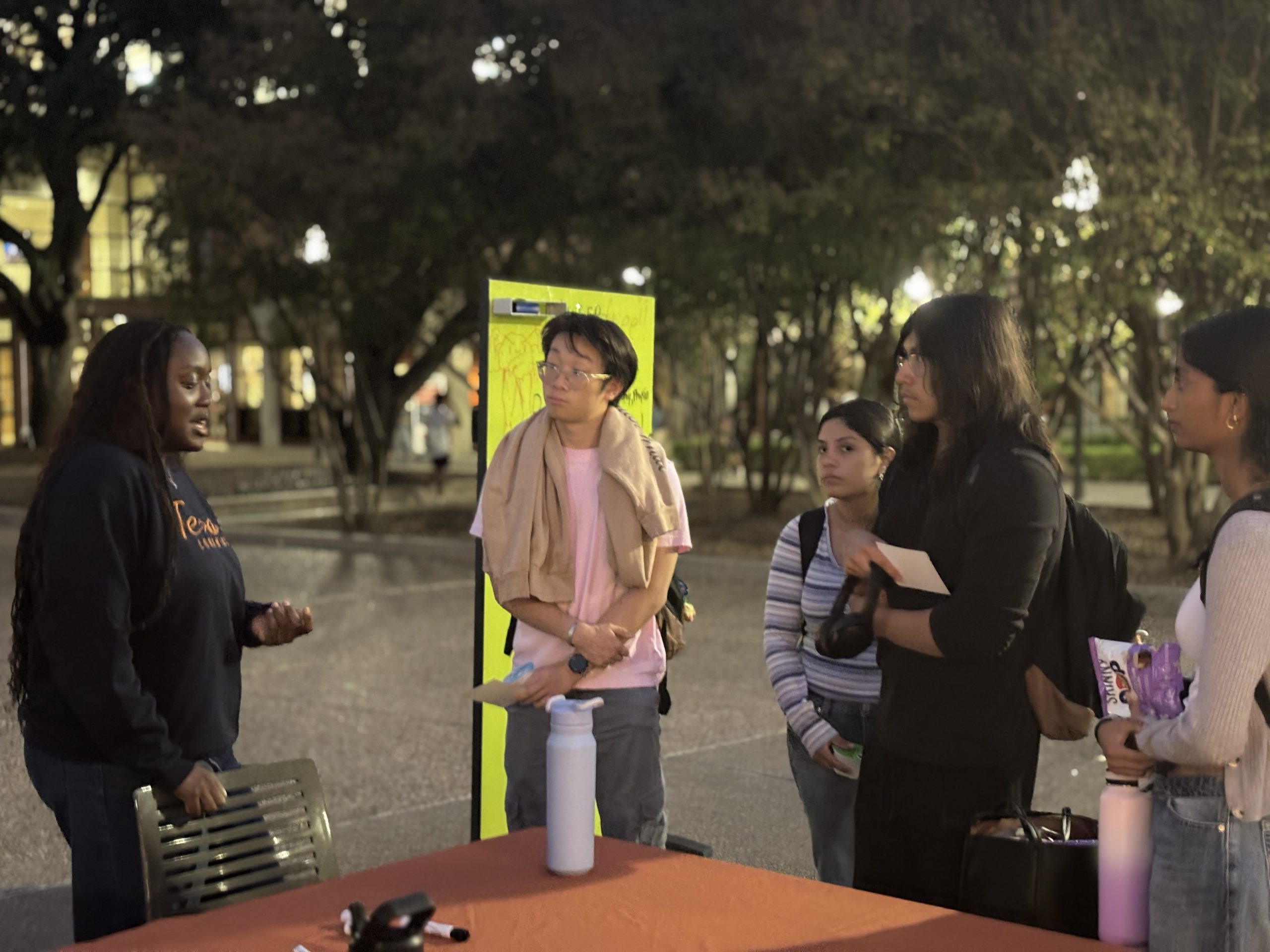
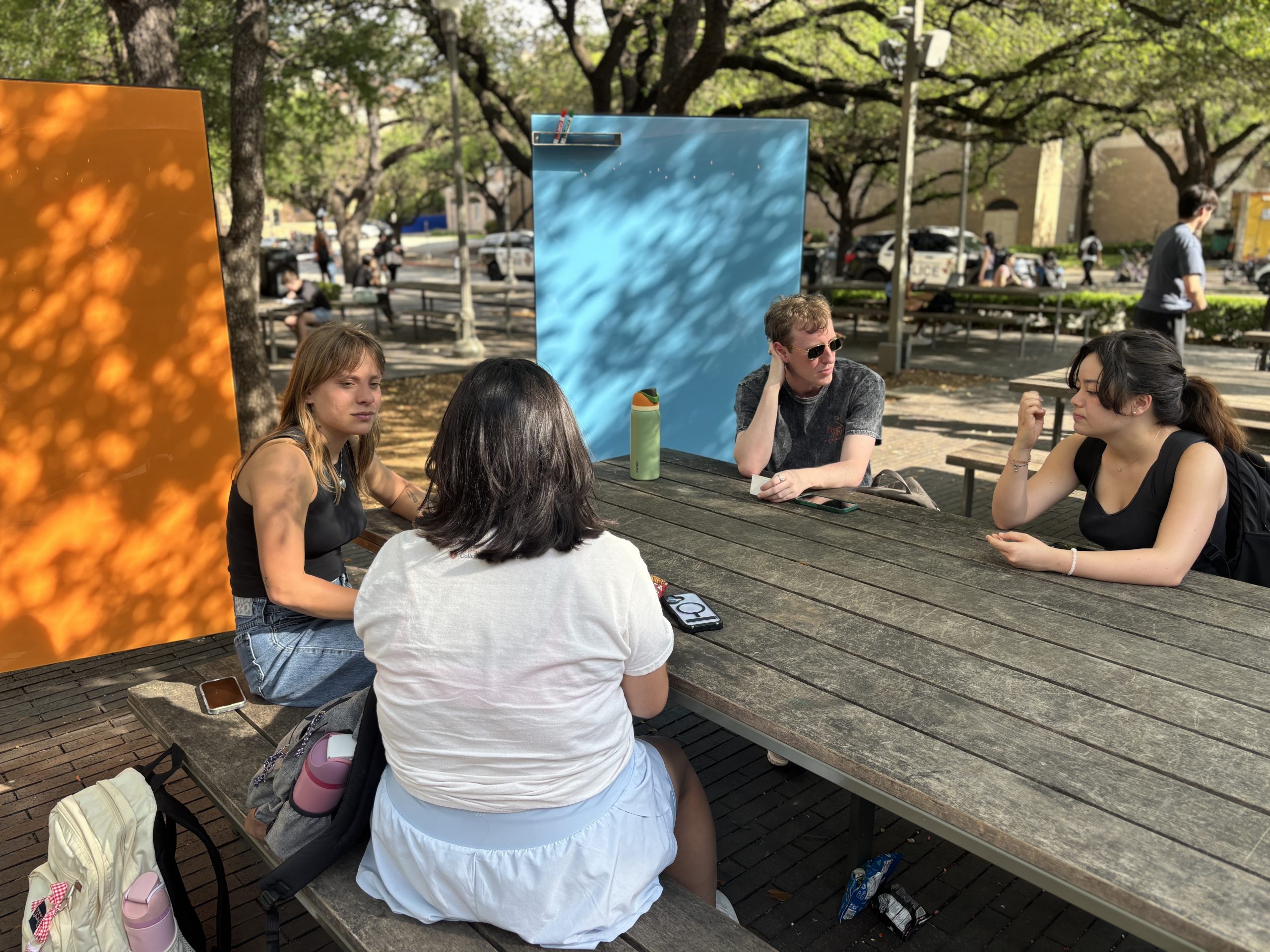
The first event served as a pilot. Designed with minimal resources, it allowed us to understand student interest, test the coaching format, and identify operational challenges before investing further.
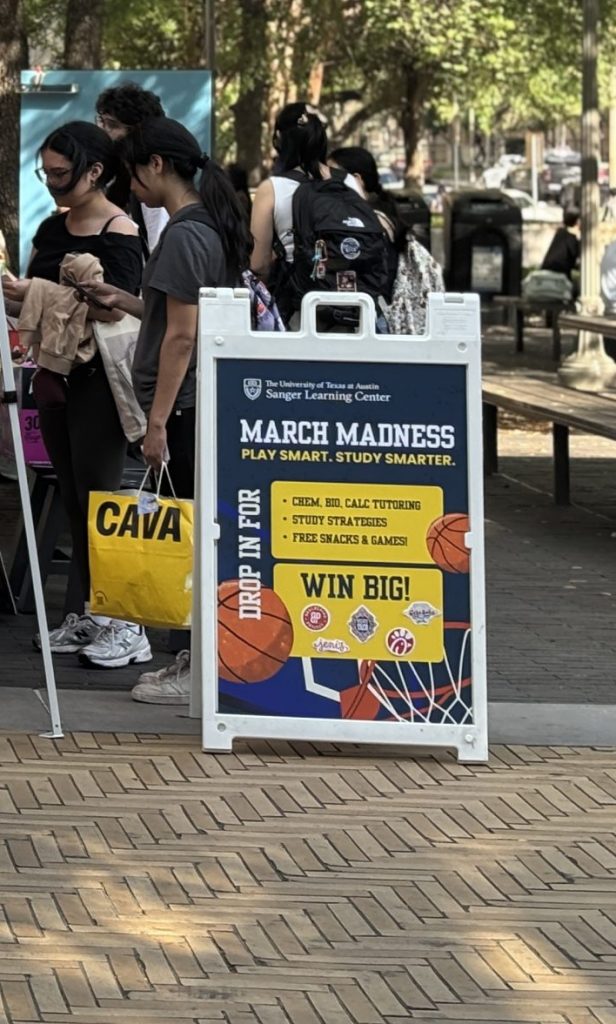
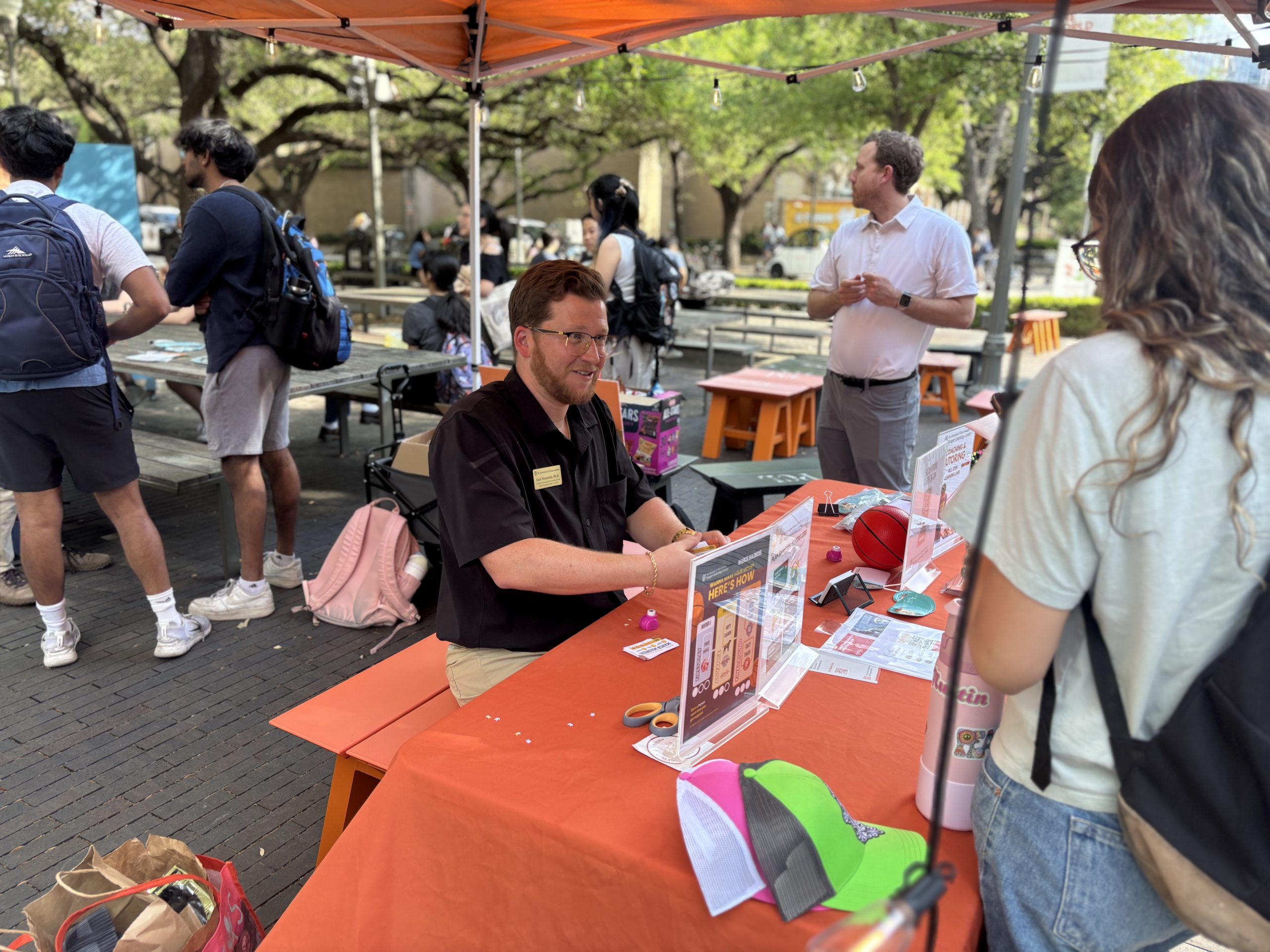
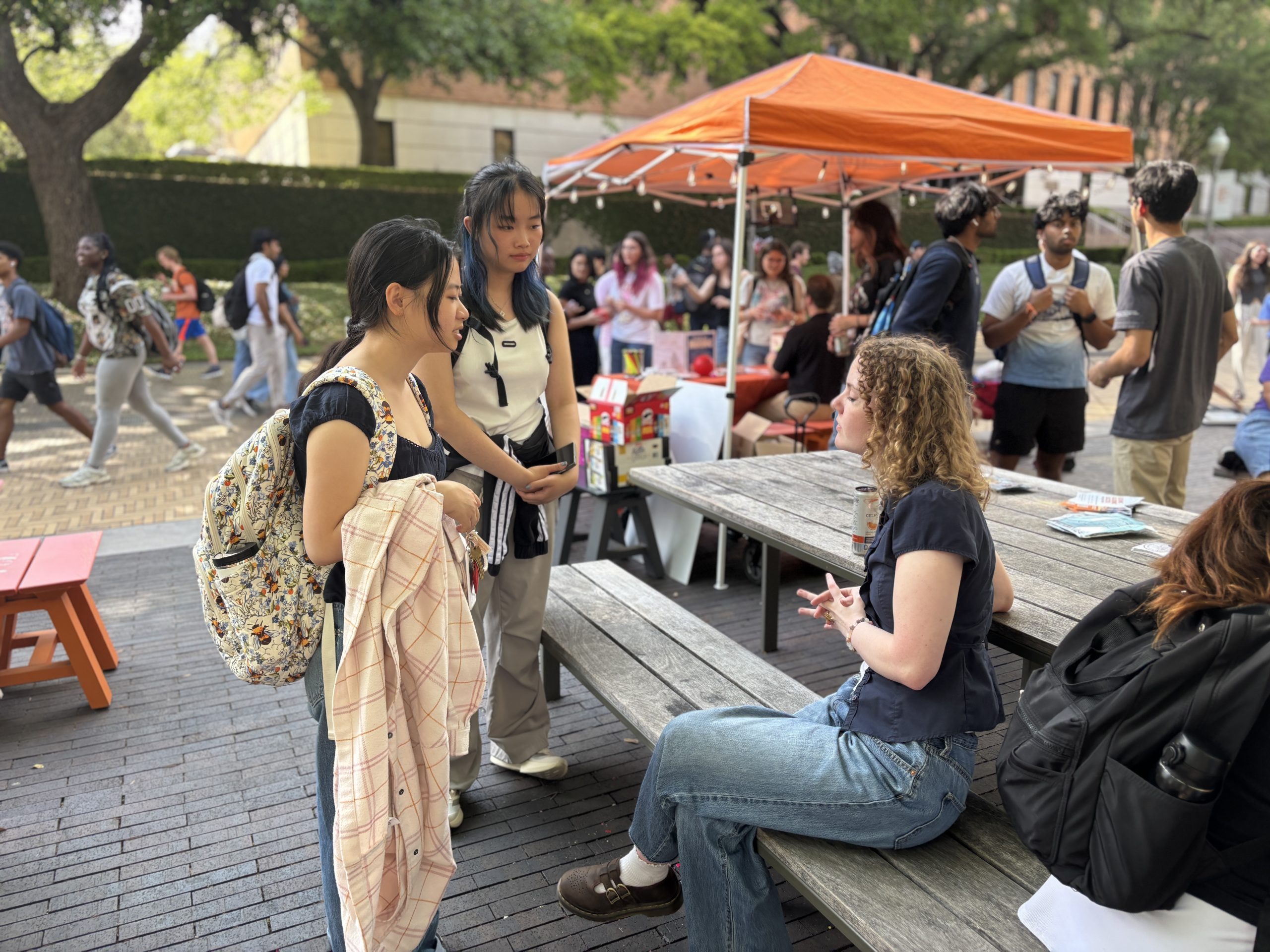
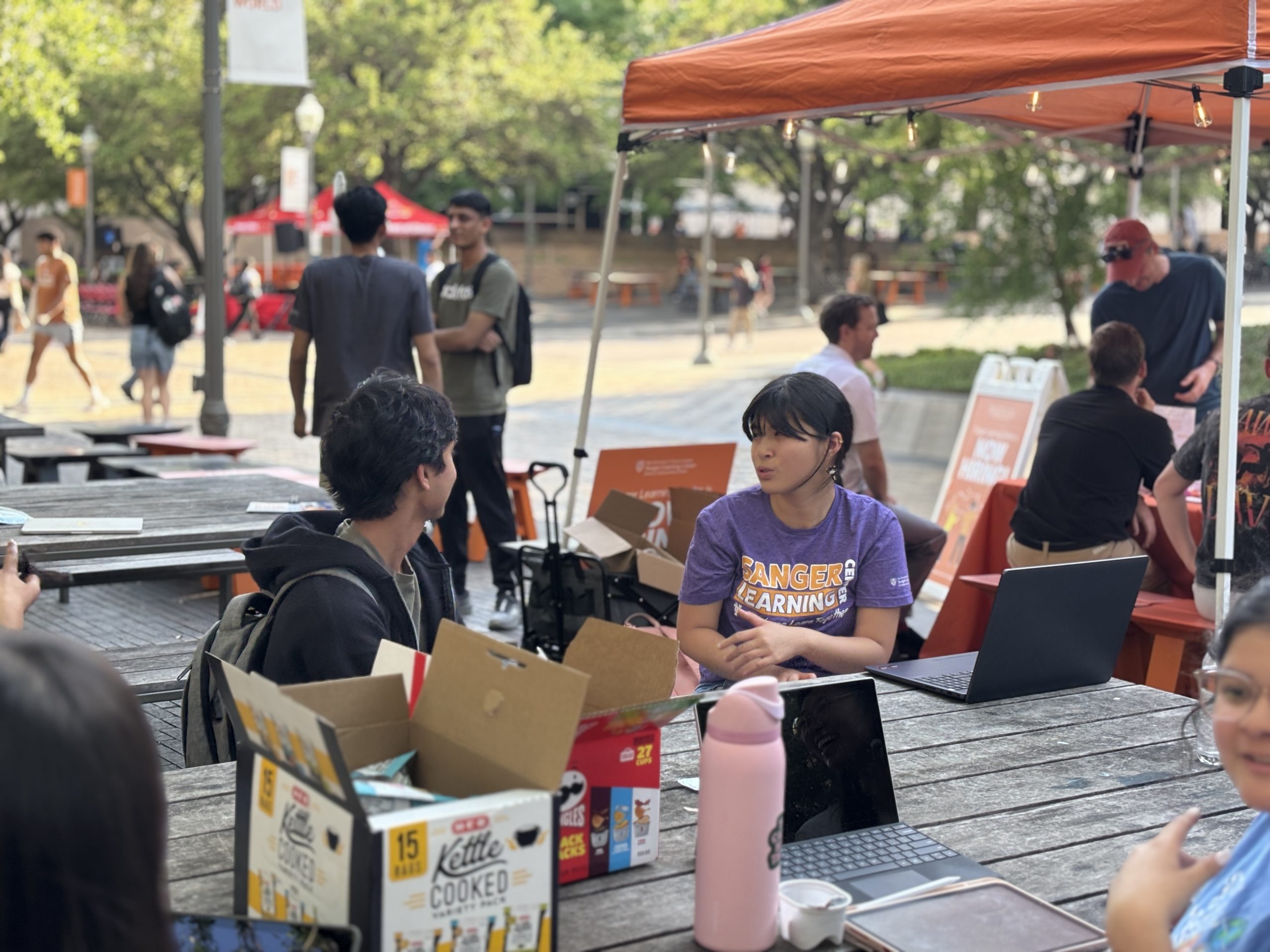
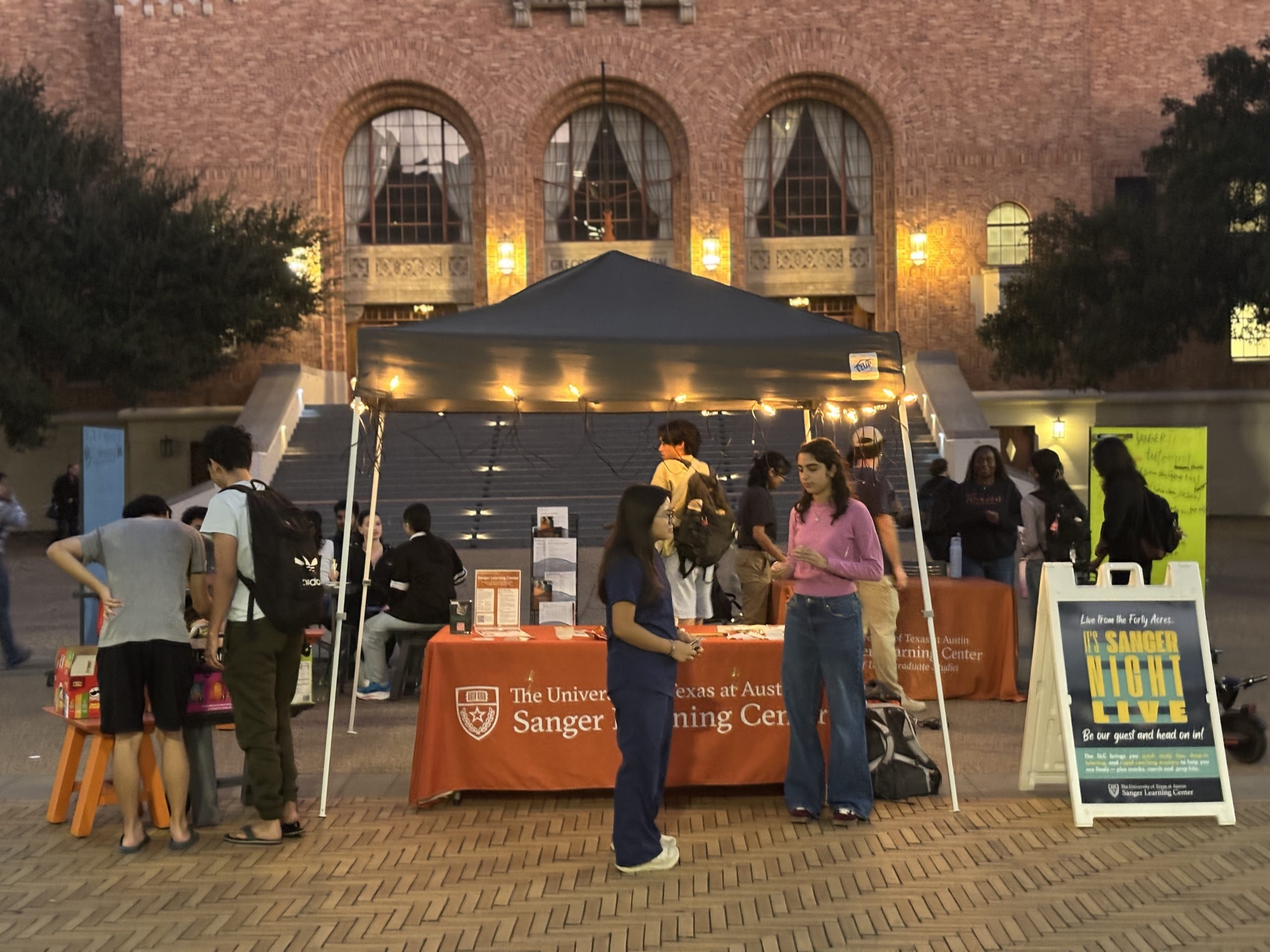
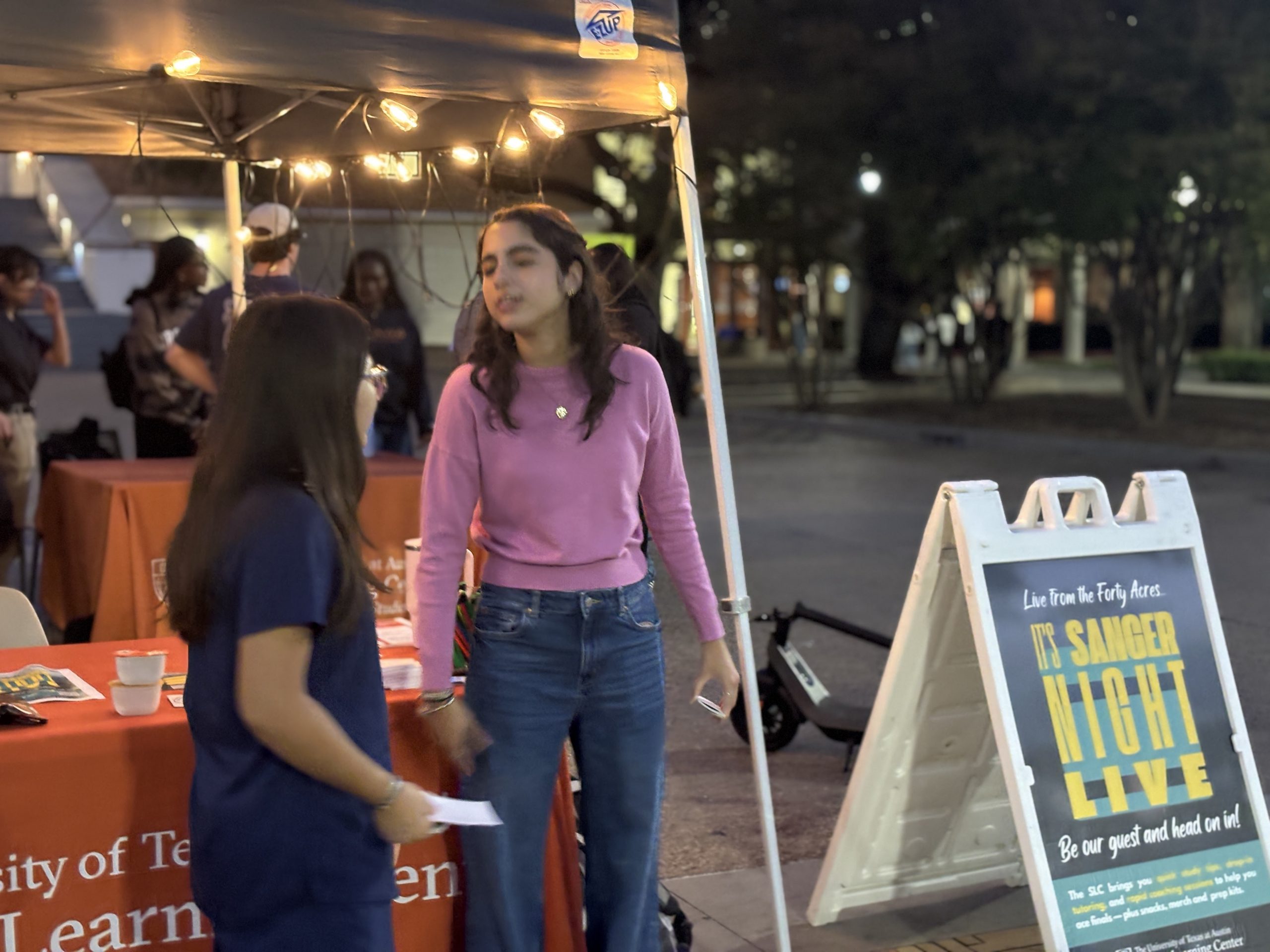
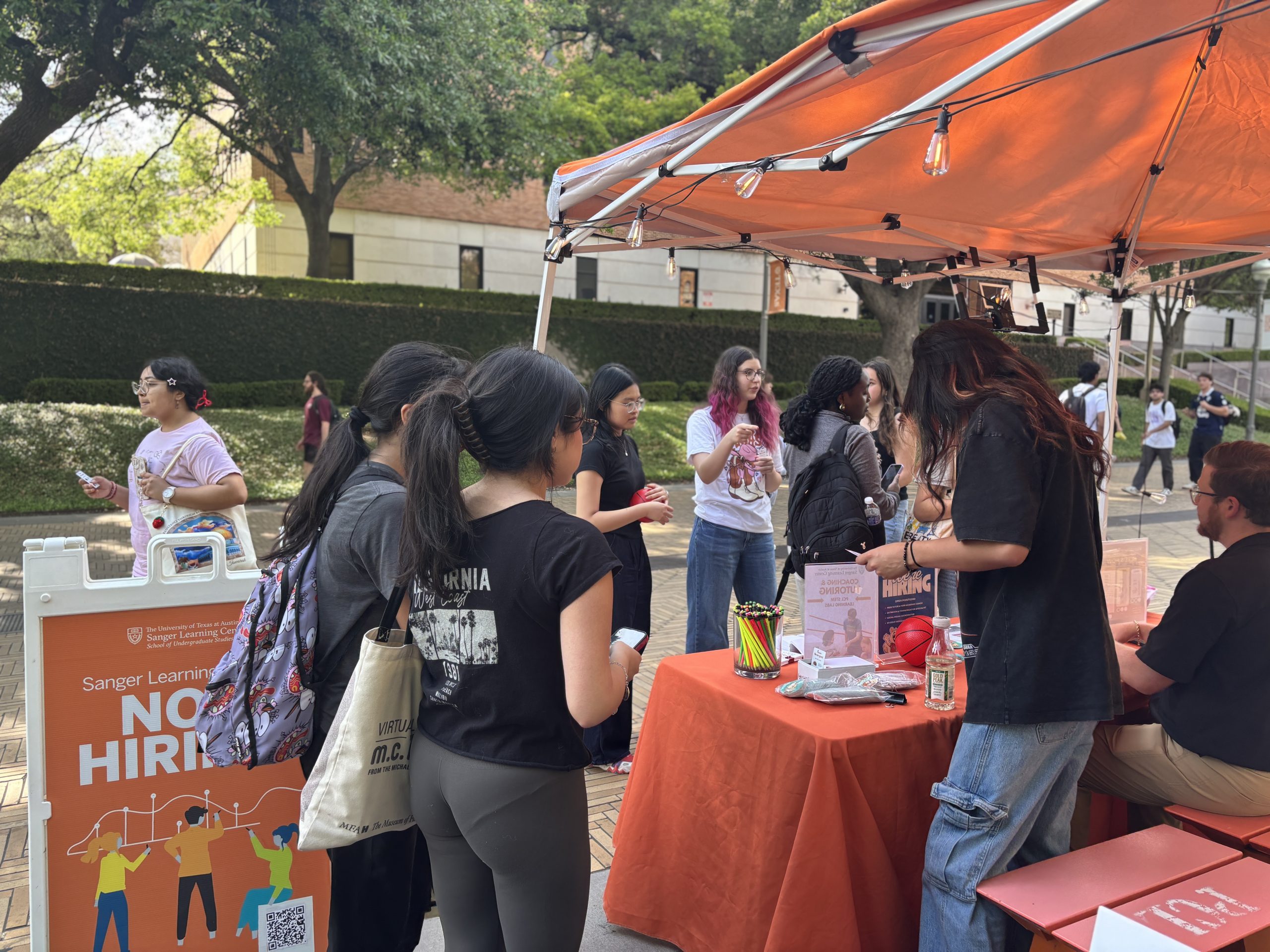
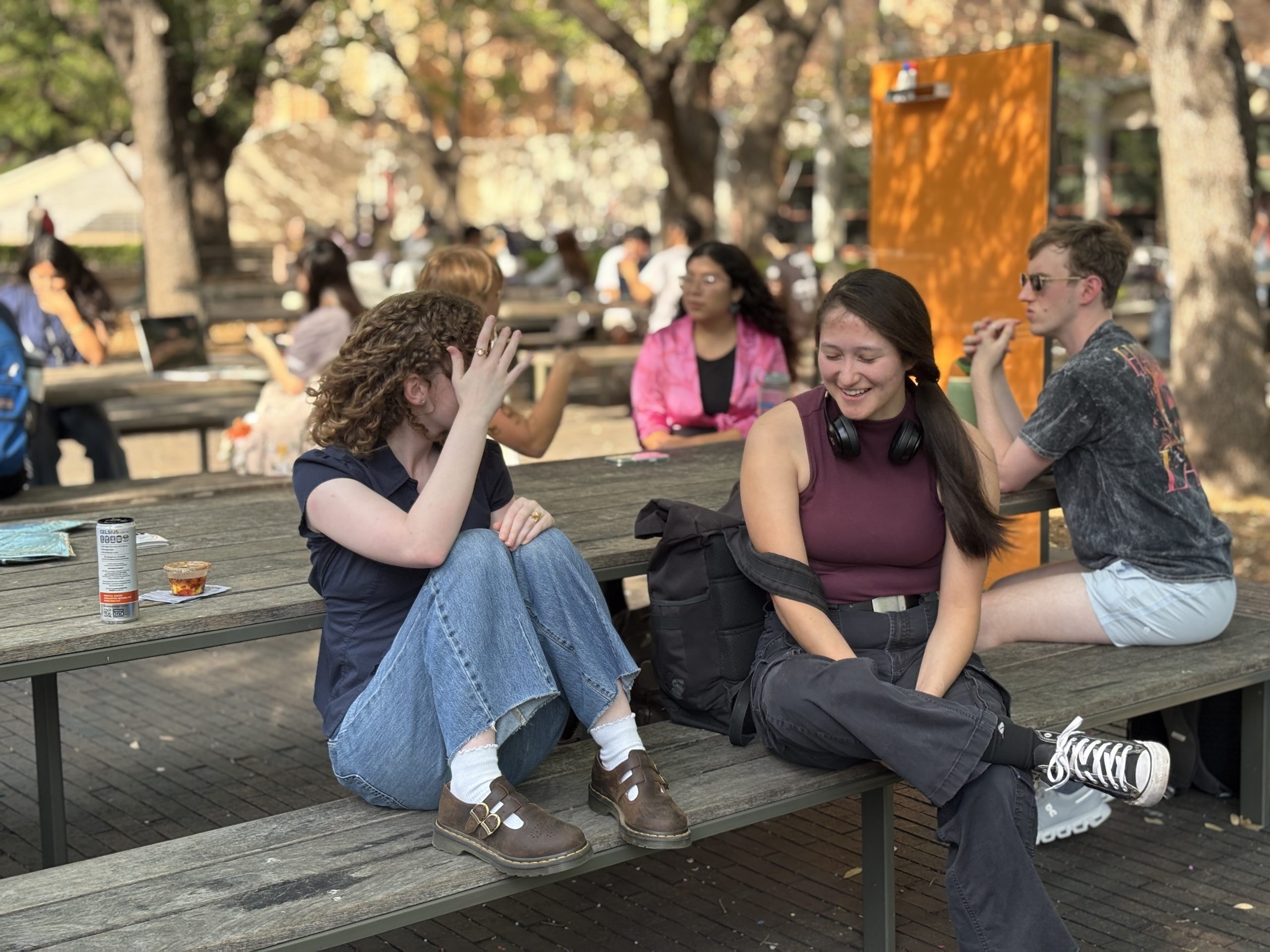
With positive feedback, we expanded into a larger campus activation in one of UT Austin’s busiest public spaces. The event introduced themed branding, giveaways, food, and interactive coaching stations, transforming academic support into something approachable, engaging, and visible.
As attendance grew, the complexity behind the scenes grew with it. Managing volunteers, coordinating logistics, assigning responsibilities, and maintaining a seamless student experience required a much more structured operational plan. Rather than treating these as setbacks, each event became a prototype that informed the next.
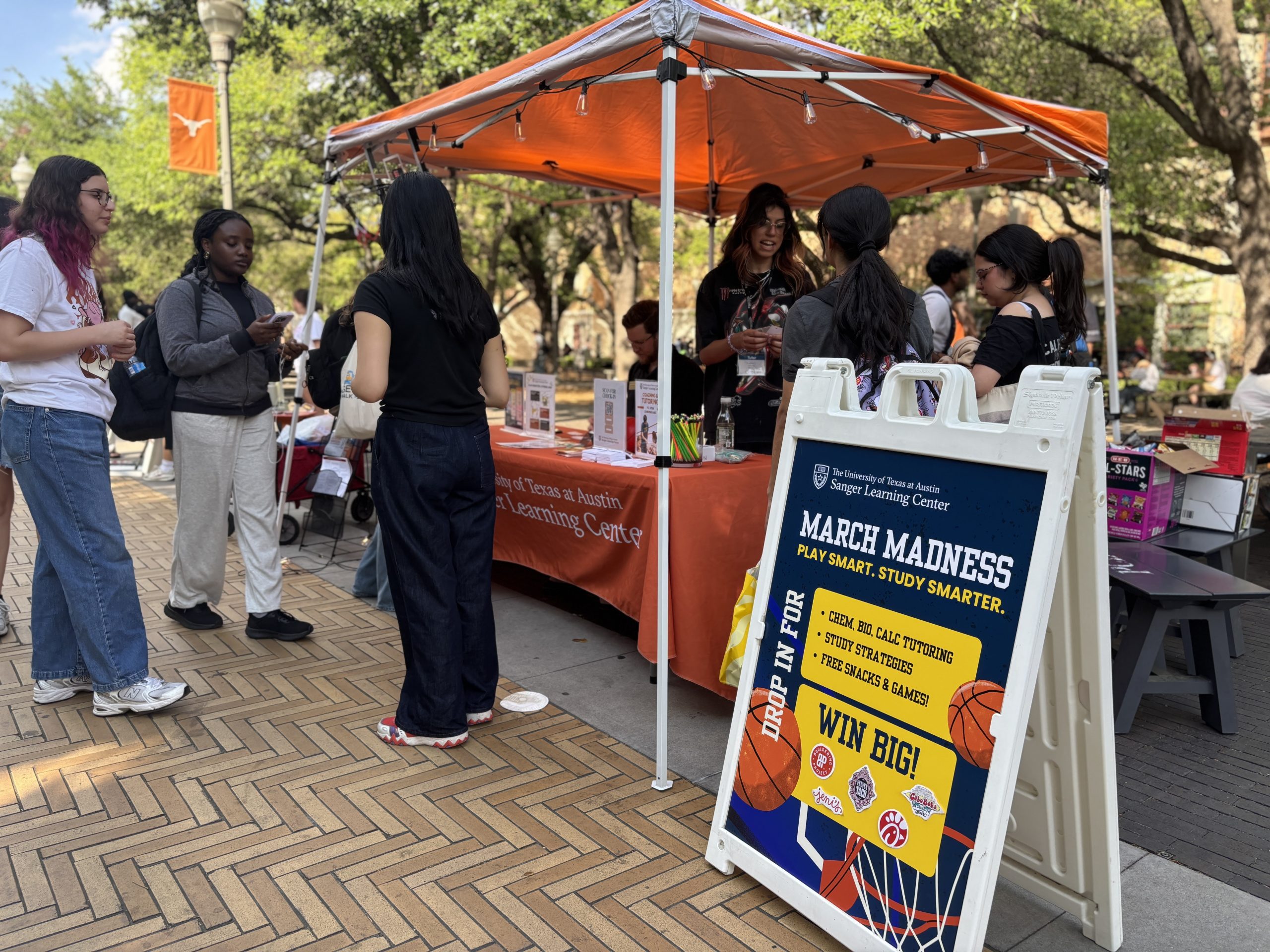
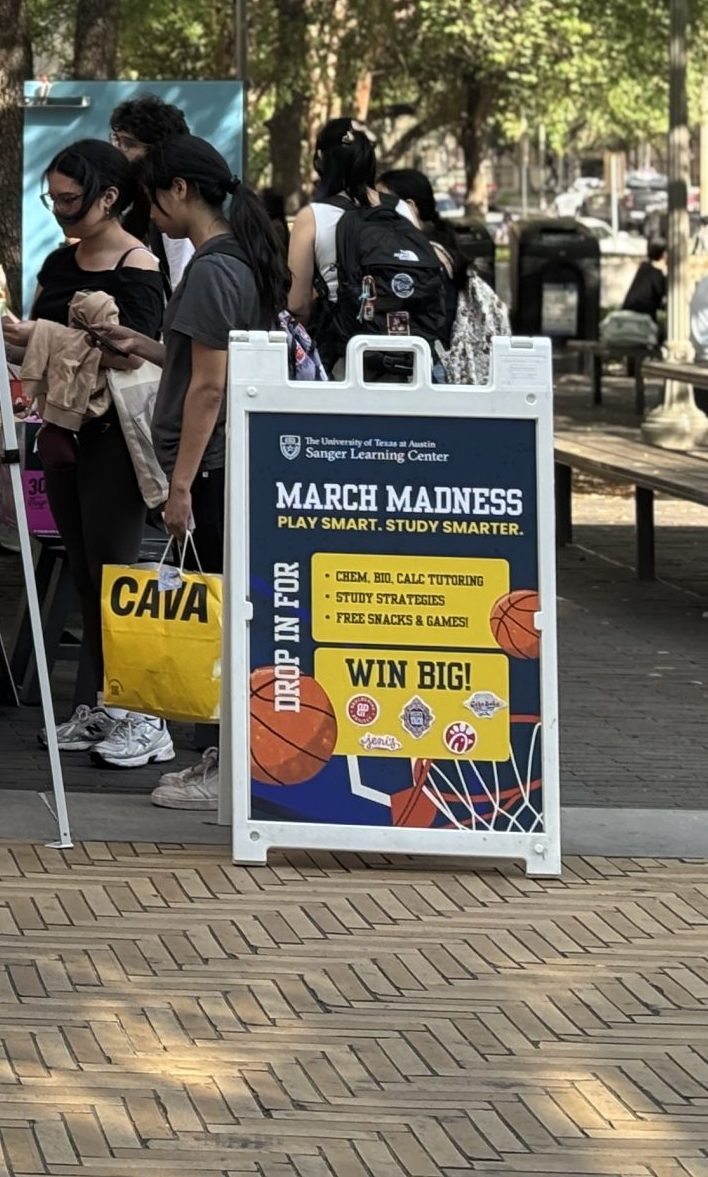
The final iteration became our largest and most ambitious activation—a March Madness-themed coaching experience that blended live coaching, campus partnerships, sponsorships, incentives, and experiential marketing into a single event.
To expand its reach, I secured six local sponsorships that contributed funding, food, merchandise, and promotional support. We also introduced a punch-card system that encouraged students to continue engaging with Sanger’s services after the event, creating a bridge between the campus activation and long-term participation.
By the final event, every operational detail—from volunteer roles and event flow to signage, setup, logistics, partnerships, and student engagement—had been refined through continuous iteration. The greatest measure of success wasn’t that I was constantly solving problems during the event; it was that everything had been planned well enough that I could step back and simply watch students engage with the experience we’d built.
Box Office Results
- Designed and launched a brand-new experiential marketing format for the Sanger Learning Center
- Executed three progressively larger campus activations through rapid prototyping and iteration
- Secured six local sponsorships providing financial support, food, merchandise, and event resources
- Attracted more than 250–300 students to the final event—the department’s highest engagement for an event of its kind
- Increased awareness of Sanger’s coaching services through live demonstrations rather than traditional promotion
- Developed an operational framework that improved staffing, logistics, and event execution across each iteration
- Created a repeatable event model that connected students with long-term academic support services