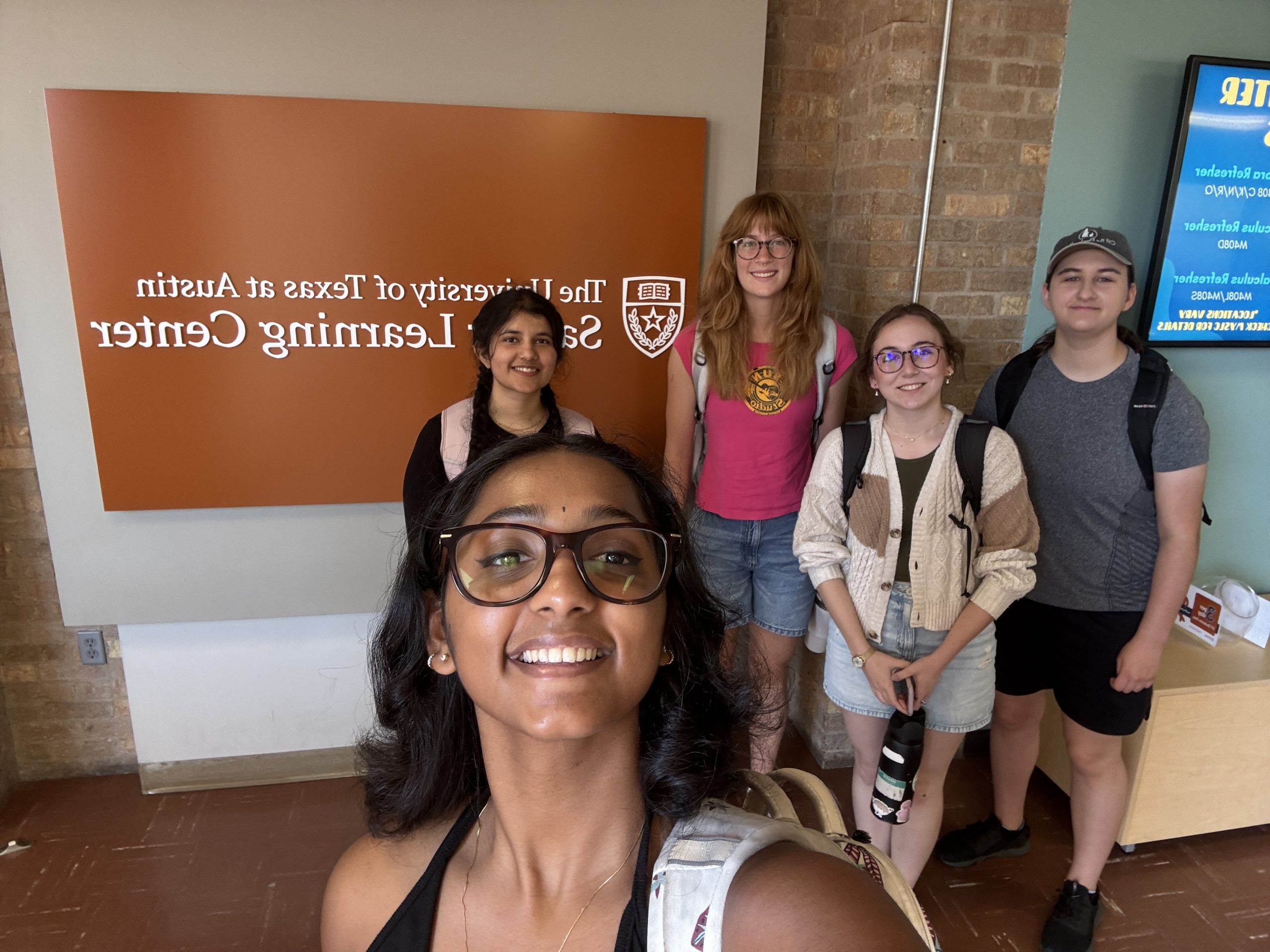
The Sanger Learning Center became much more than a campus job—it became my opportunity to help students navigate one of the biggest transitions of their lives.
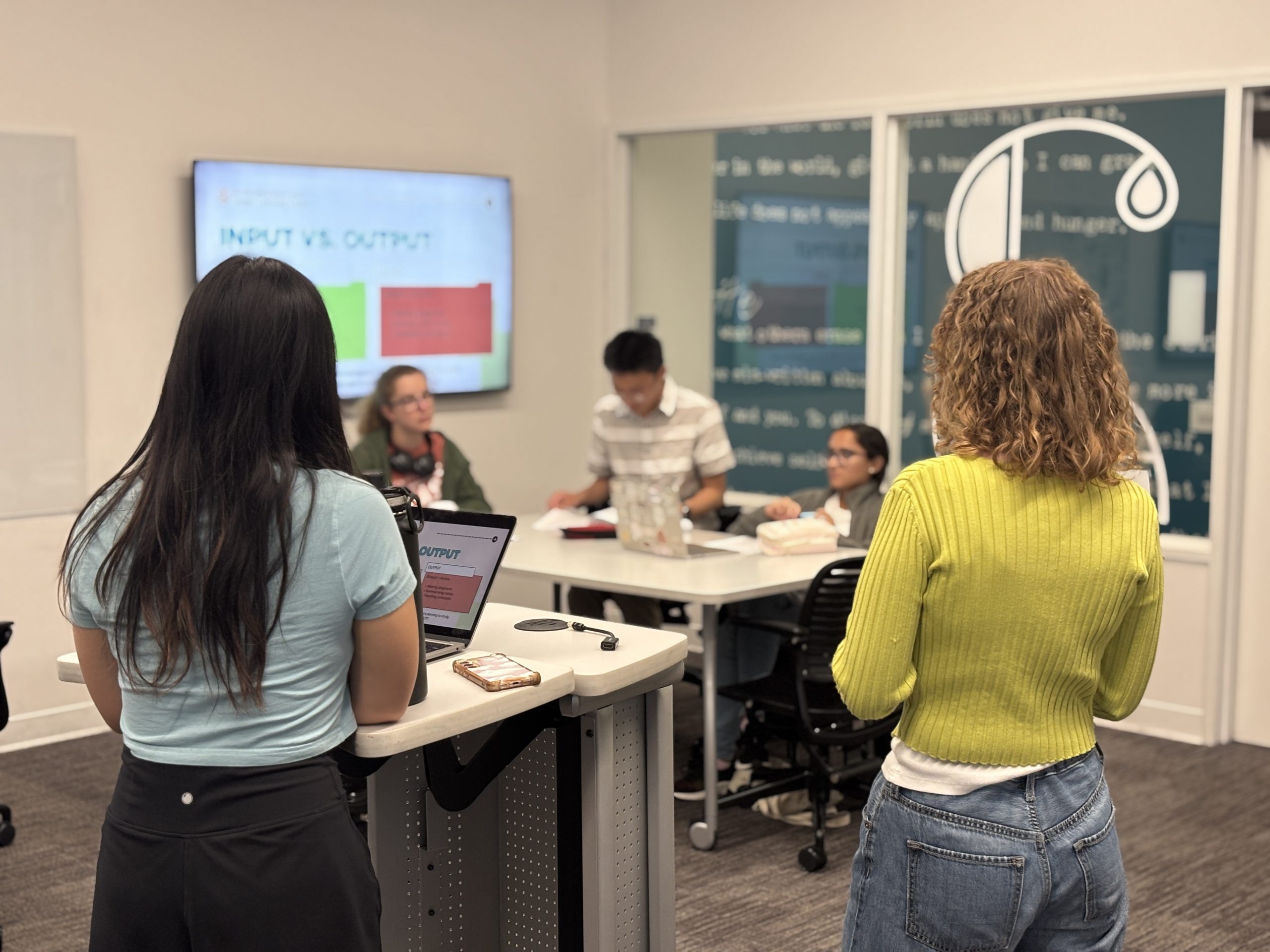
I began as a Peer Academic Coach, working directly with students to develop study strategies, build accountability systems, improve time management, and navigate the academic challenges of life at UT Austin. Over two years, I coached more than 20 students across 200+ hours of one-on-one sessions, helping each student build systems that worked for their individual learning style rather than prescribing one-size-fits-all solutions.
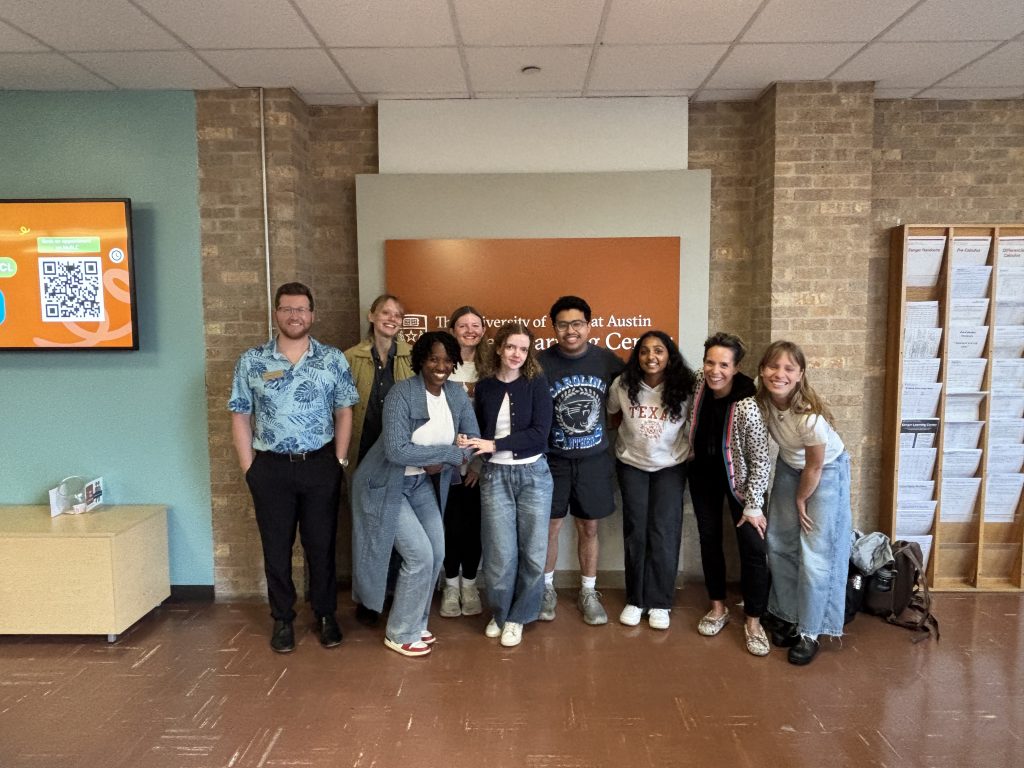
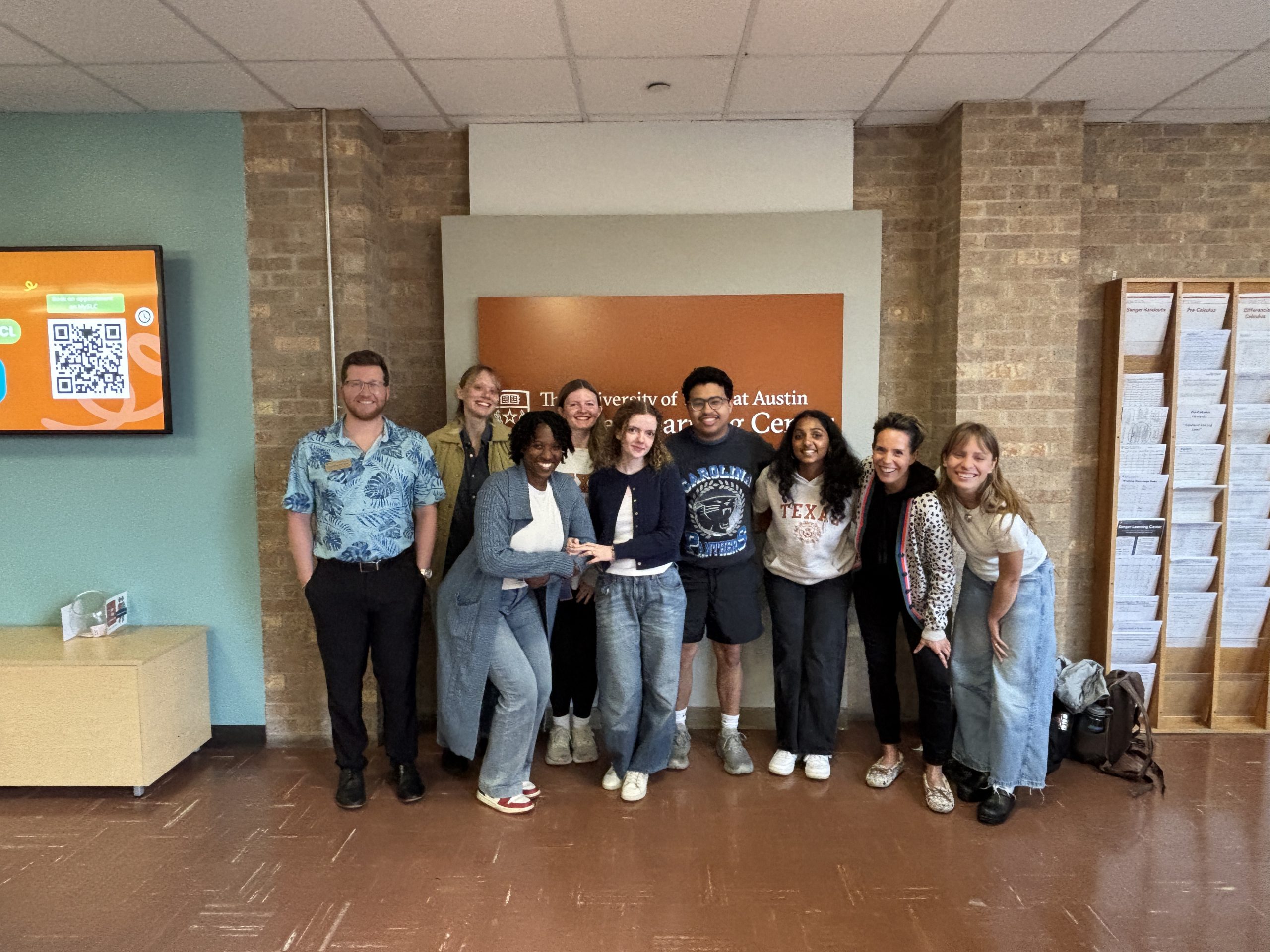
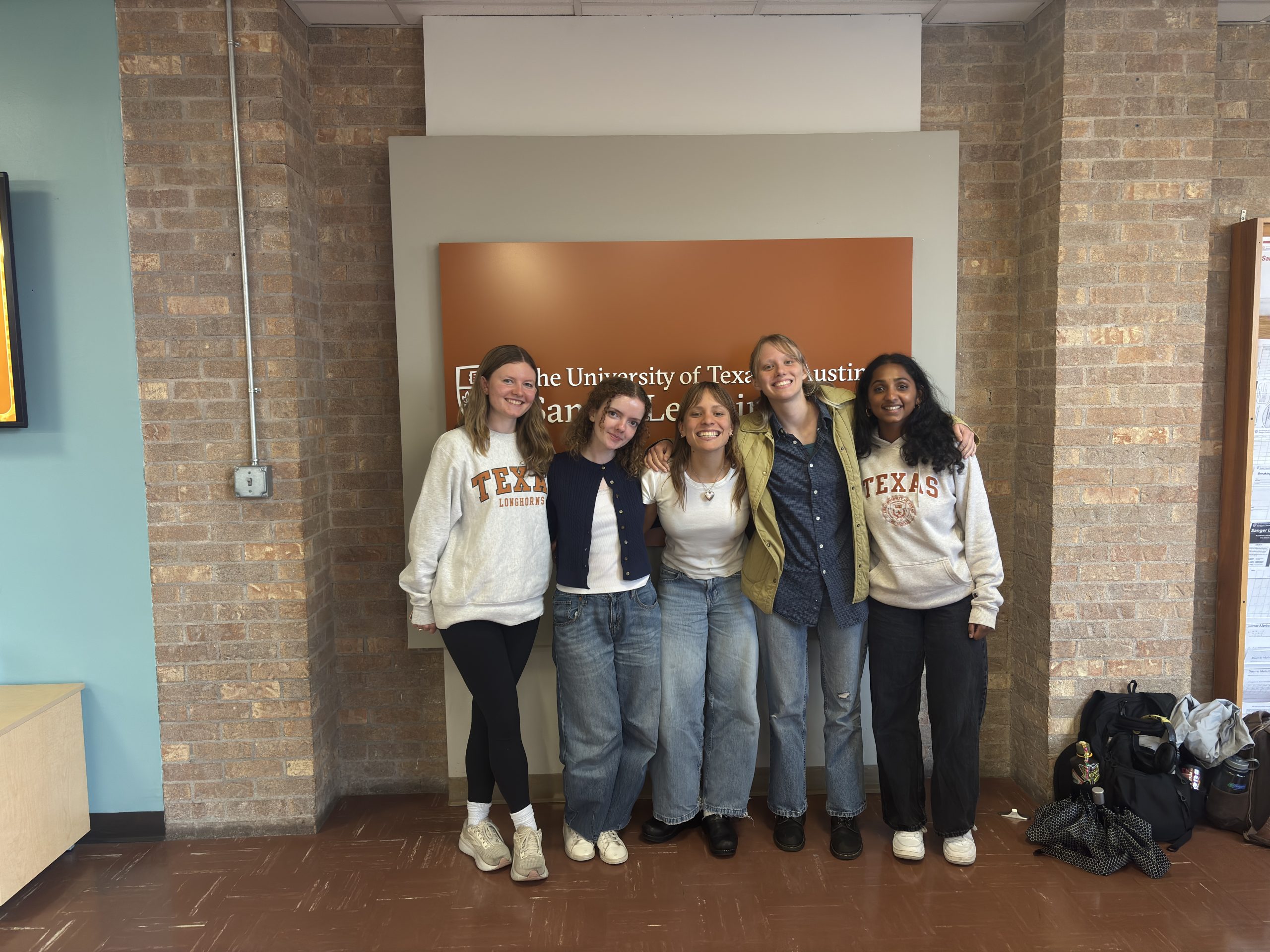
As my experience grew, I stepped into the role of Lead Peer Academic Coach, mentoring four coaches while serving as the bridge between student staff and department leadership. Beyond supervising coaches, I helped improve the coaching program itself—participating in focus groups, refining training practices, exploring new coaching formats, and developing pilot initiatives such as group coaching sessions and accountability-based programming that expanded how students could access academic support.
At the same time, the department faced increasing budget constraints and needed new ways to demonstrate its impact across campus. Rather than simply maintaining existing programs, our team began rethinking how Sanger could reach more students and communicate its value more effectively.
That challenge naturally evolved into my work as Marketing Intern.
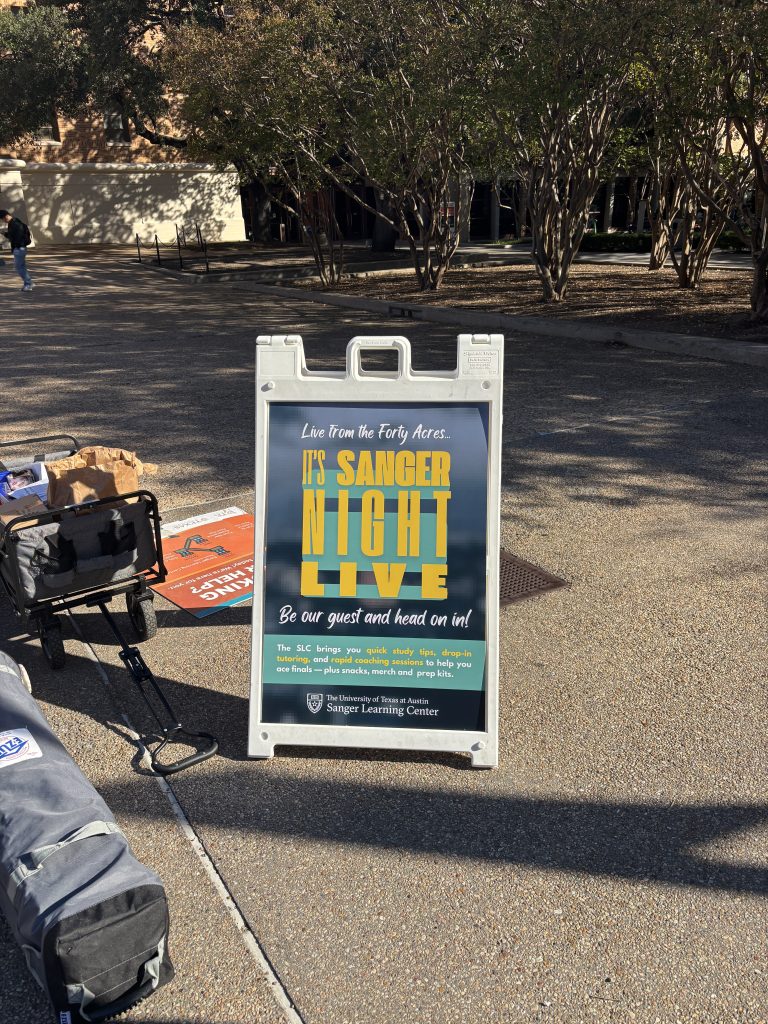
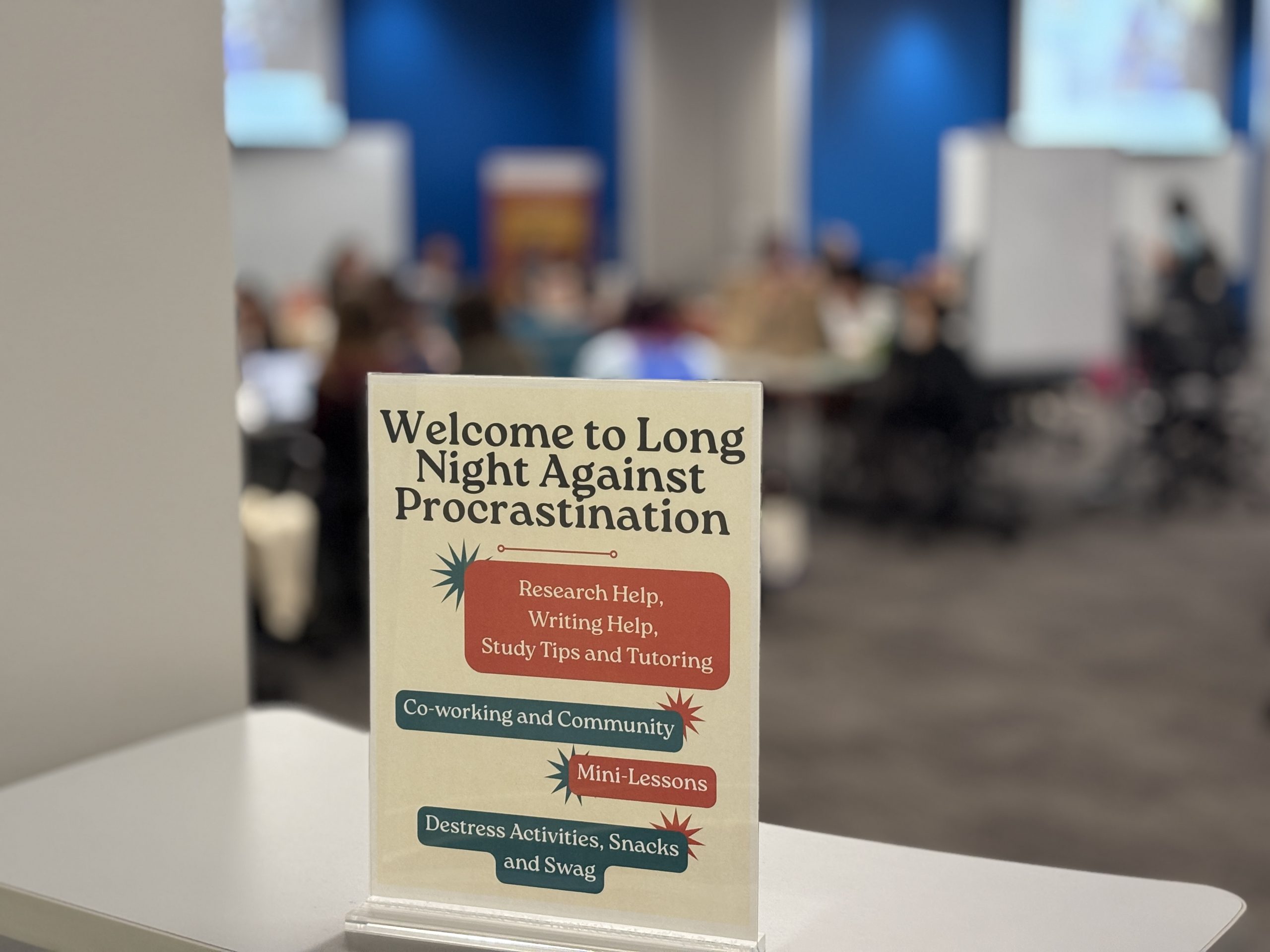
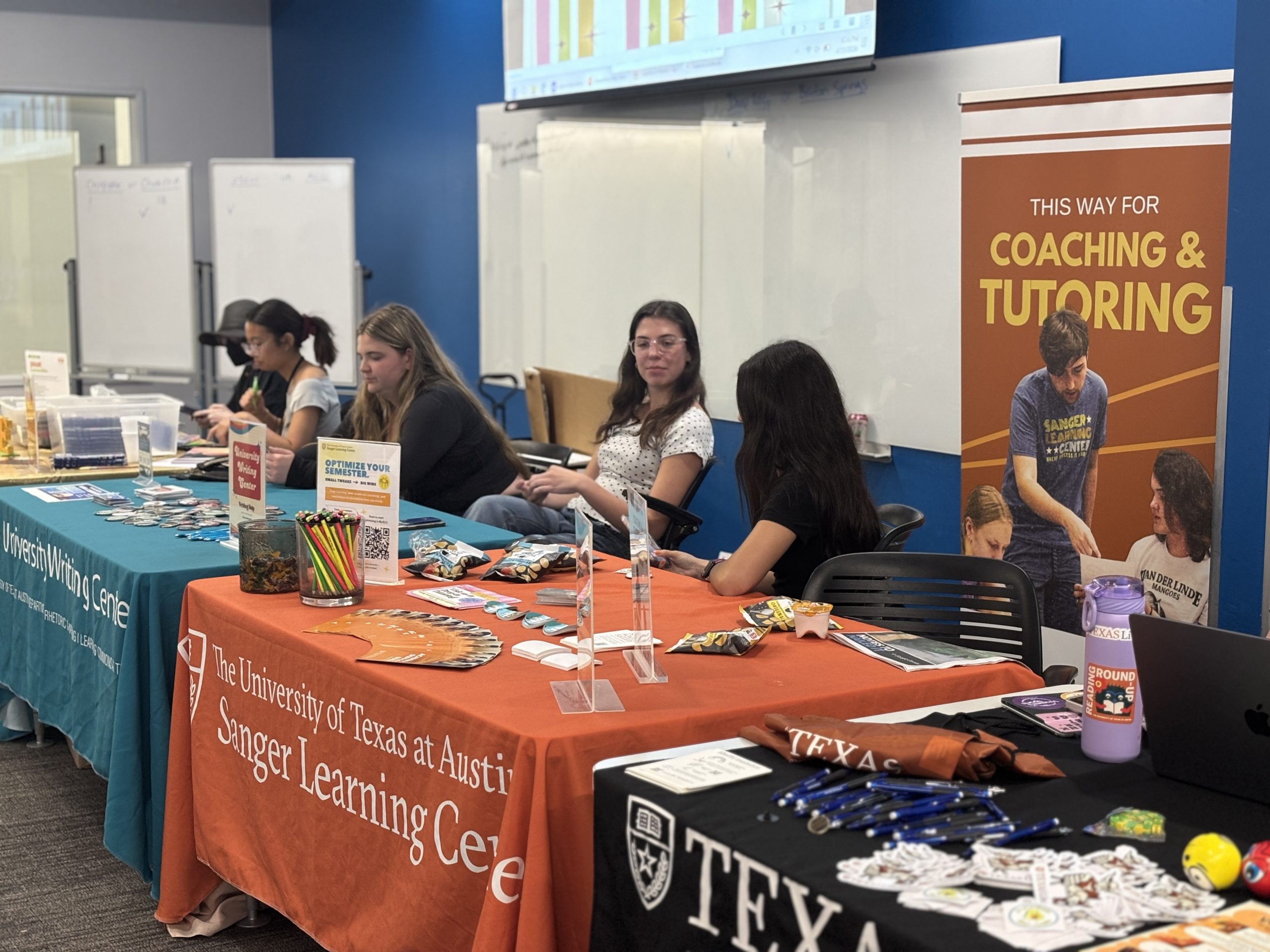
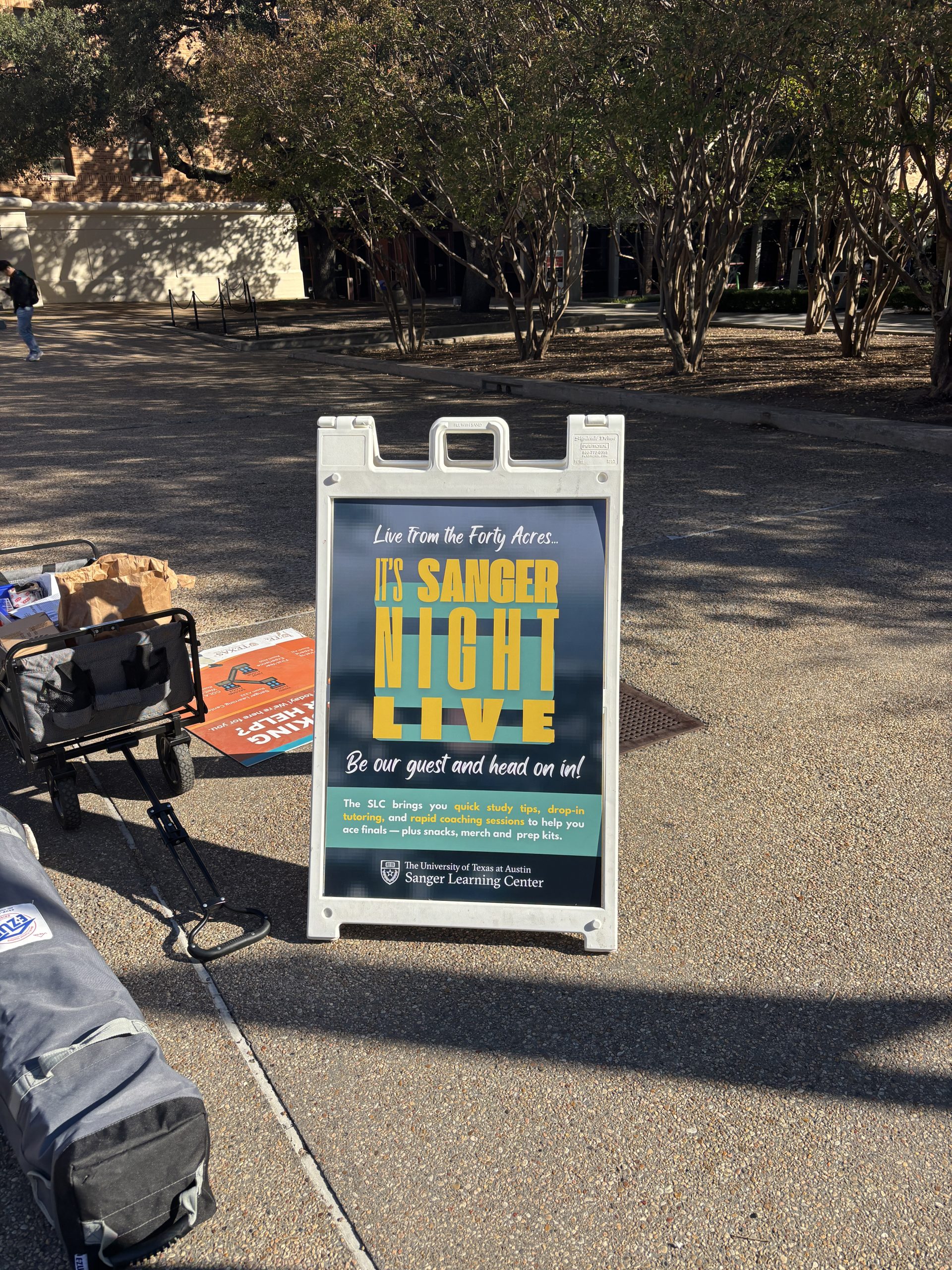
Working alongside department leadership, I helped shape the center’s marketing strategy through campaign planning, creative direction, event branding, and visual communications. I supervised student social media staff, developed marketing campaigns, created graphics and promotional materials, and helped build a more cohesive identity for the department across both physical and digital spaces.
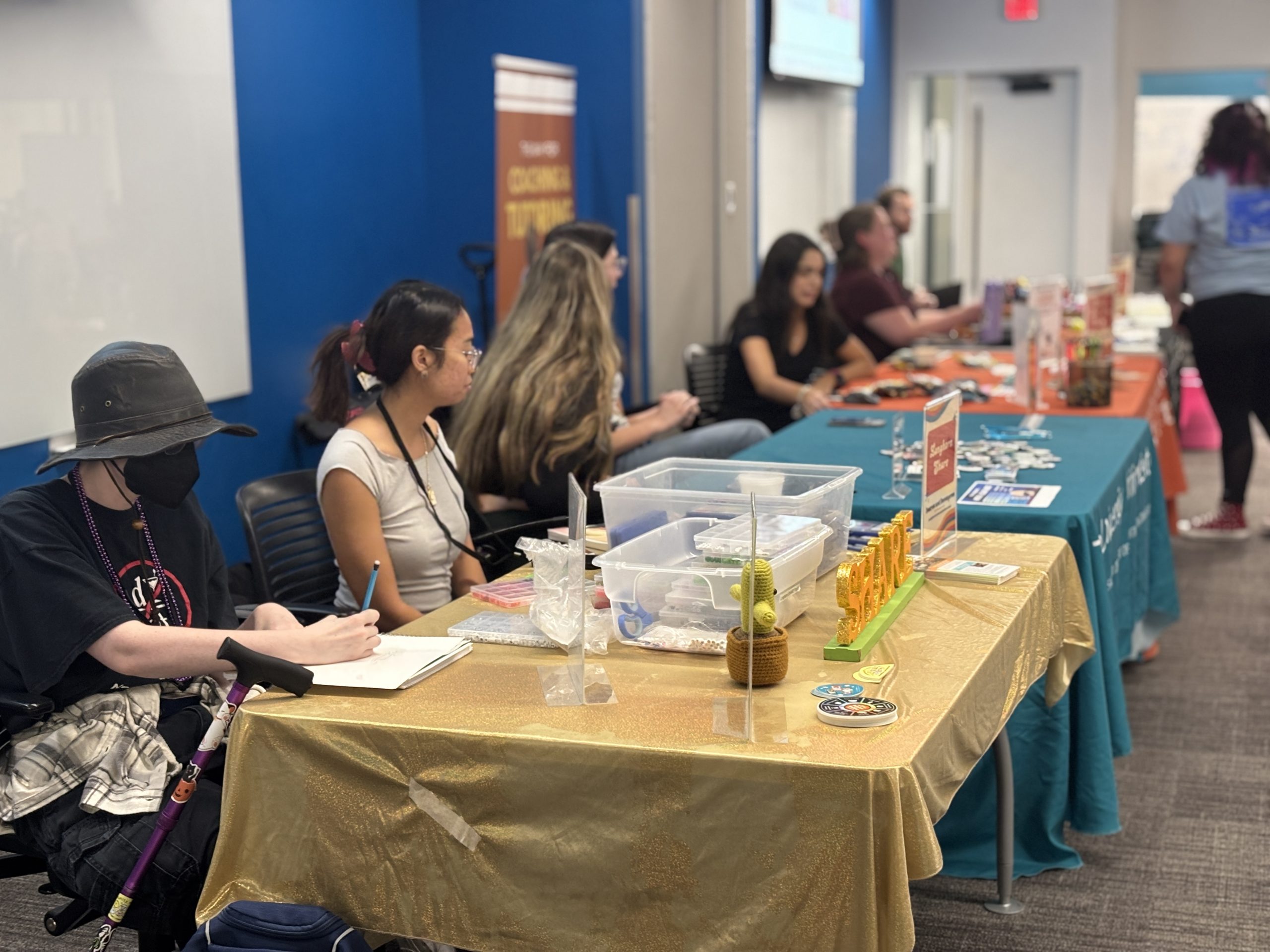
One of those initiatives eventually became the March Madness Live Coaching Experience, a large-scale outreach event that introduced hundreds of students to academic coaching through an interactive campus activation. While that project has its own story, it reflected a larger philosophy that guided all of my work at Sanger: students are far more likely to seek help when support feels approachable, welcoming, and designed around their needs.
Looking back, what I value most isn’t the number of coaching sessions I held or campaigns I created. It’s knowing that I helped shape a department whose mission was making students feel capable, supported, and confident enough to succeed long after our conversations ended.