Opening Scene
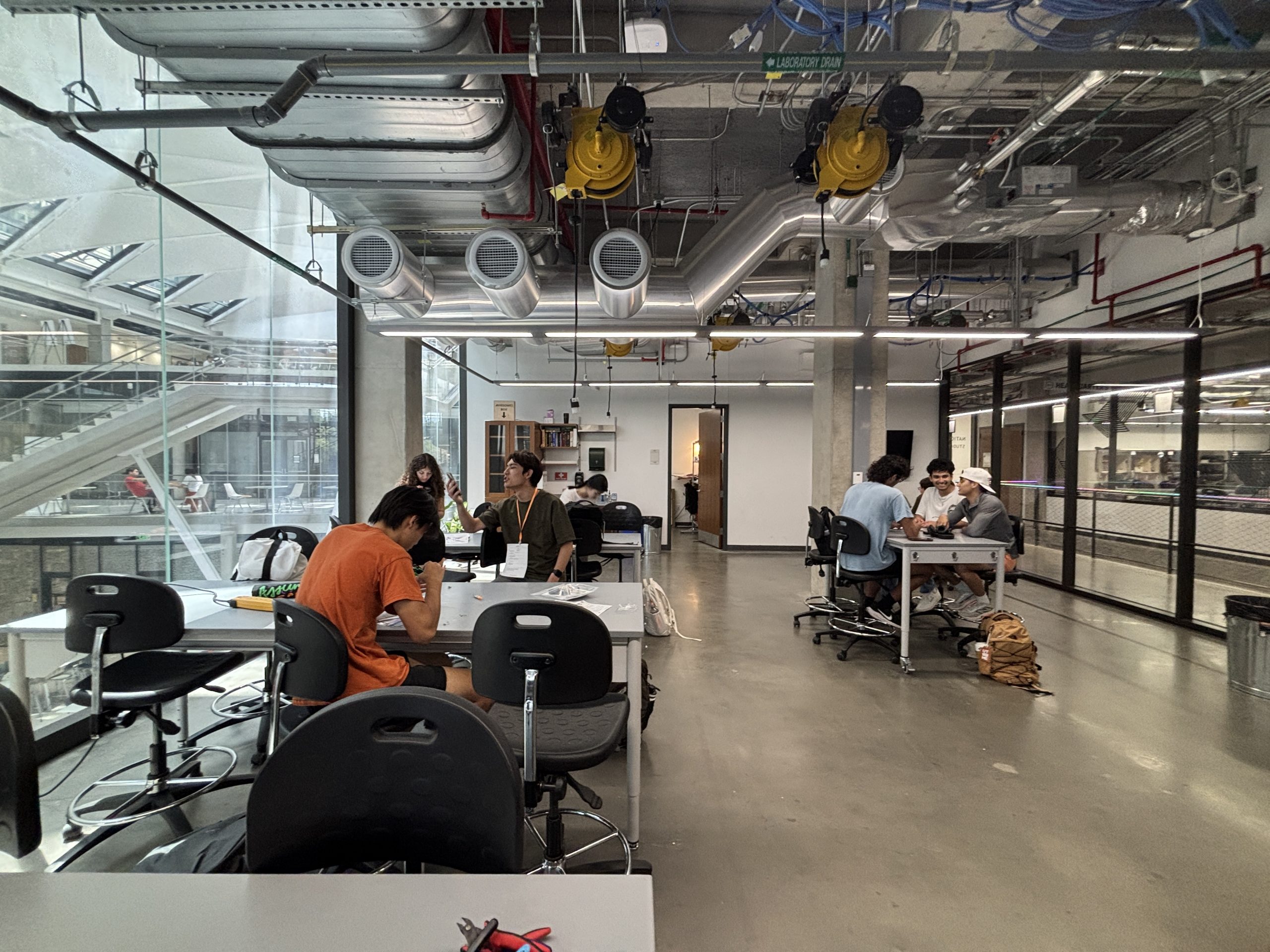
Texas Inventionworks is one of the country’s leading university makerspaces—a place where students can prototype, fabricate, and bring ideas to life. Yet despite its incredible resources, the majority of students never became active participants.
The issue wasn’t a lack of equipment.
It wasn’t a lack of programming.
It was the experience of getting started.
Students described the makerspace as intimidating, technical, and “not for people like me.” Certifications, unfamiliar machinery, and uncertainty around where to begin created invisible barriers that prevented curiosity from becoming action. As Dr. Ben Black reminded us early in the project,
“It’s not real to say ‘What Starts Here Changes the World’ and assume everyone is starting at the same spot.”
That quote became the foundation for everything we designed.
The Plot
Our team was challenged to rethink Fab Fridays—not as a weekly event, but as a gateway into the Texas Inventionworks community.
Instead of asking how to attract more attendees, we reframed the problem:
How might we transform Fab Fridays from a one-off activity into a welcoming gateway that builds confidence, community, and long-term engagement across all majors?
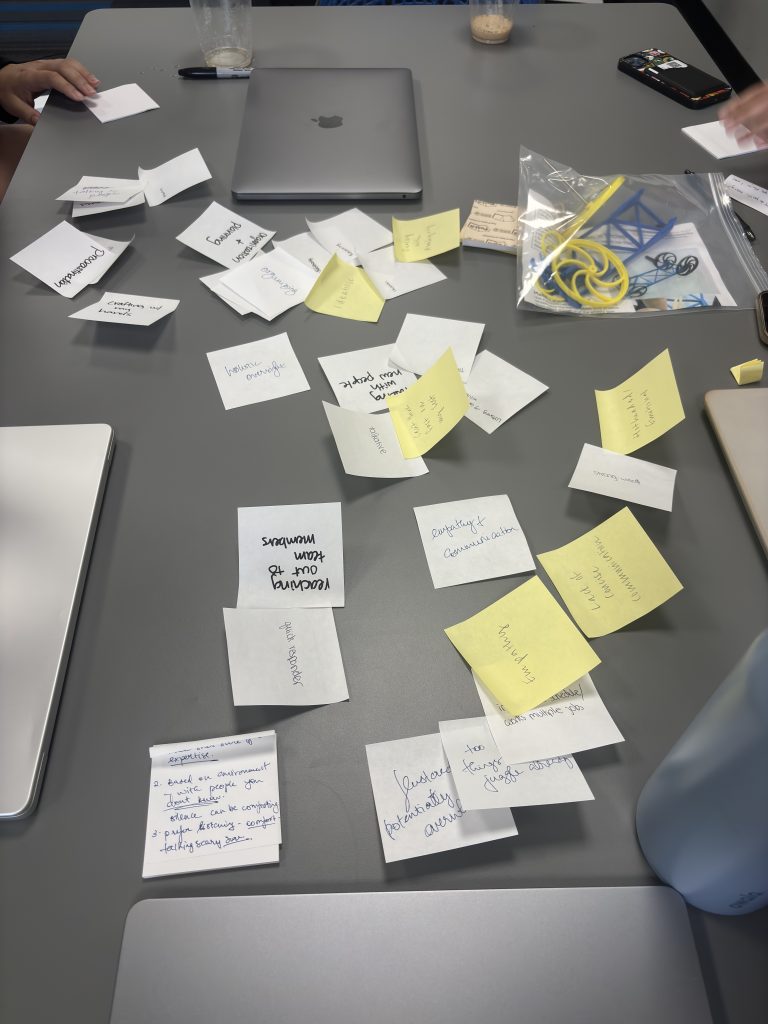
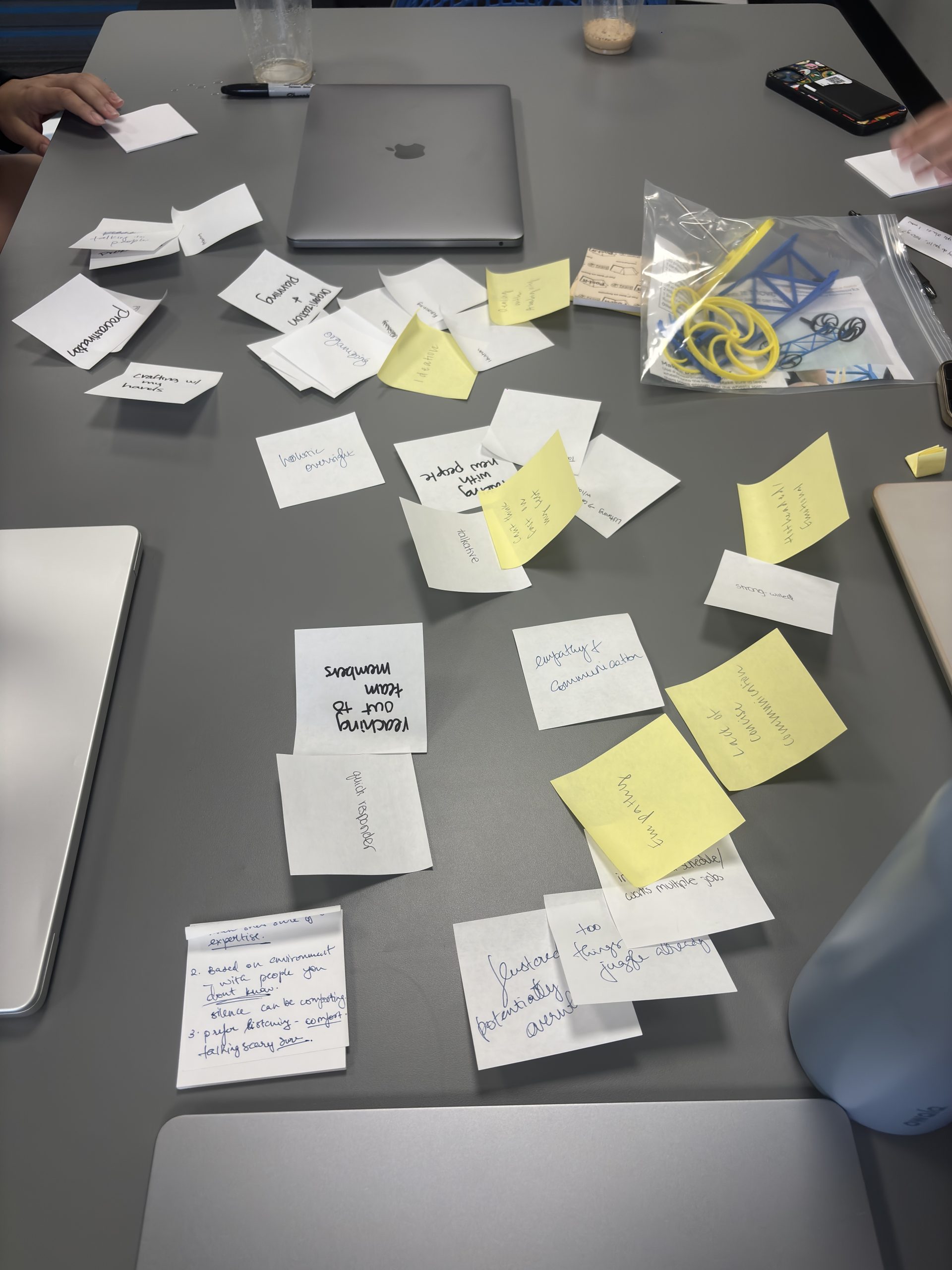
Through interviews, observations, stakeholder conversations, journey mapping, and design research, we uncovered four core opportunities:
- Reduce intimidation in makerspaces.
- Foster inclusivity beyond engineering majors.
- Encourage students to continue engaging after their first visit.
- Create experiences that extended learning beyond the classroom.
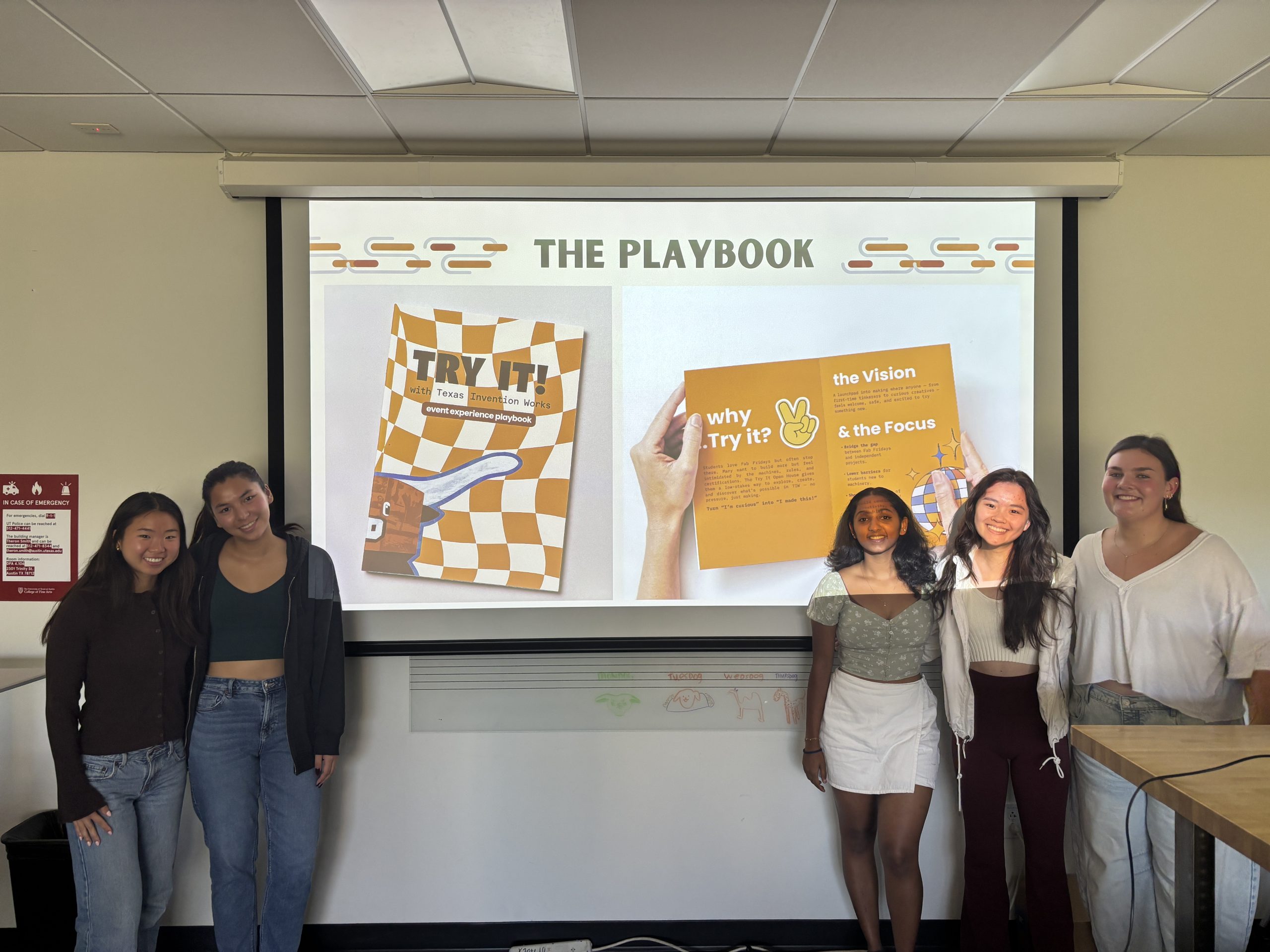
Rather than proposing incremental improvements, we designed an entirely new experience called Try It!—a semesterly open house that allowed students to explore the makerspace, experiment with equipment alongside mentors, and discover available resources before committing to formal certifications. The goal wasn’t simply to teach students how to make something—it was to help them believe they belonged there.
Behind the Camera
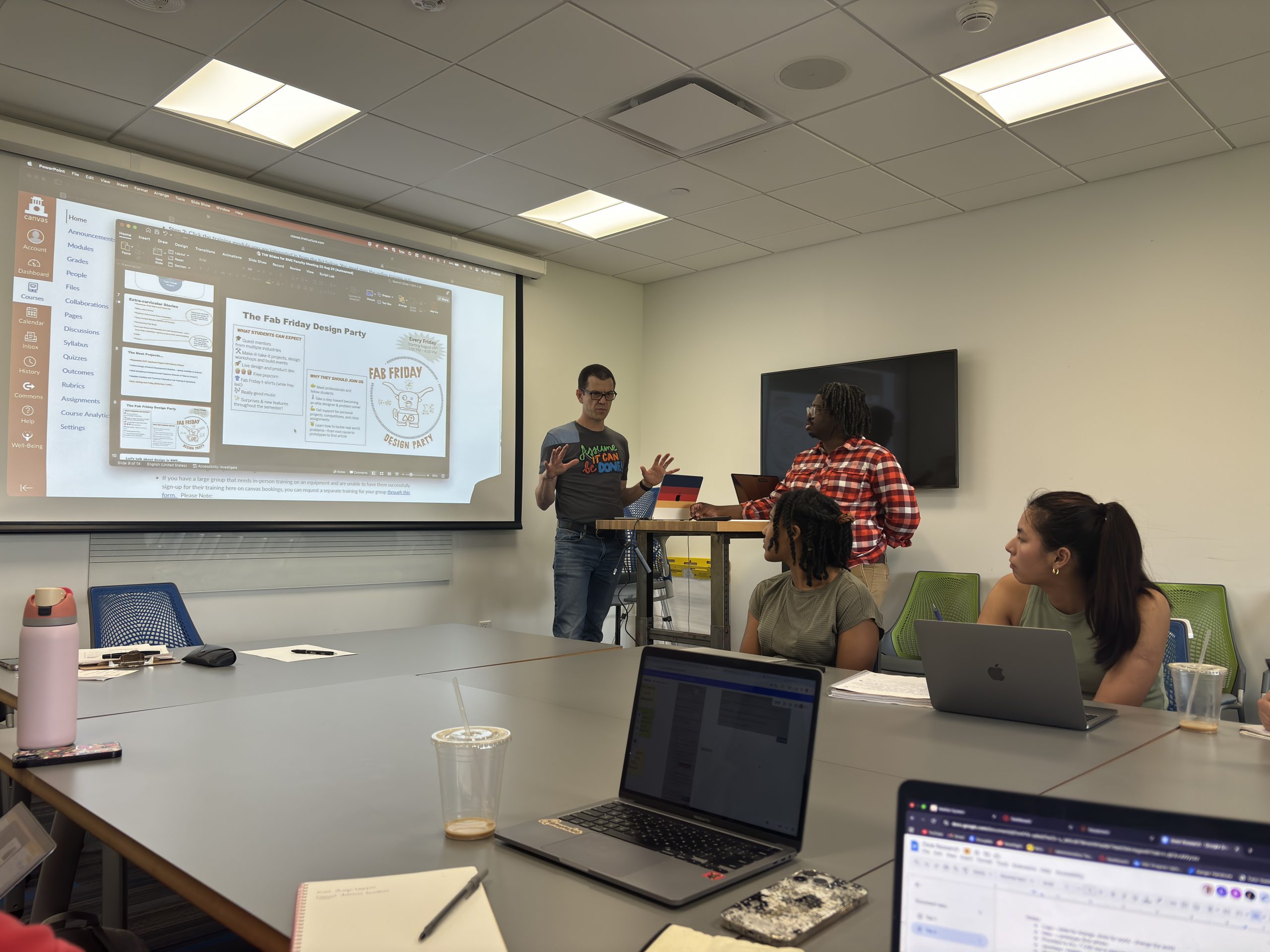
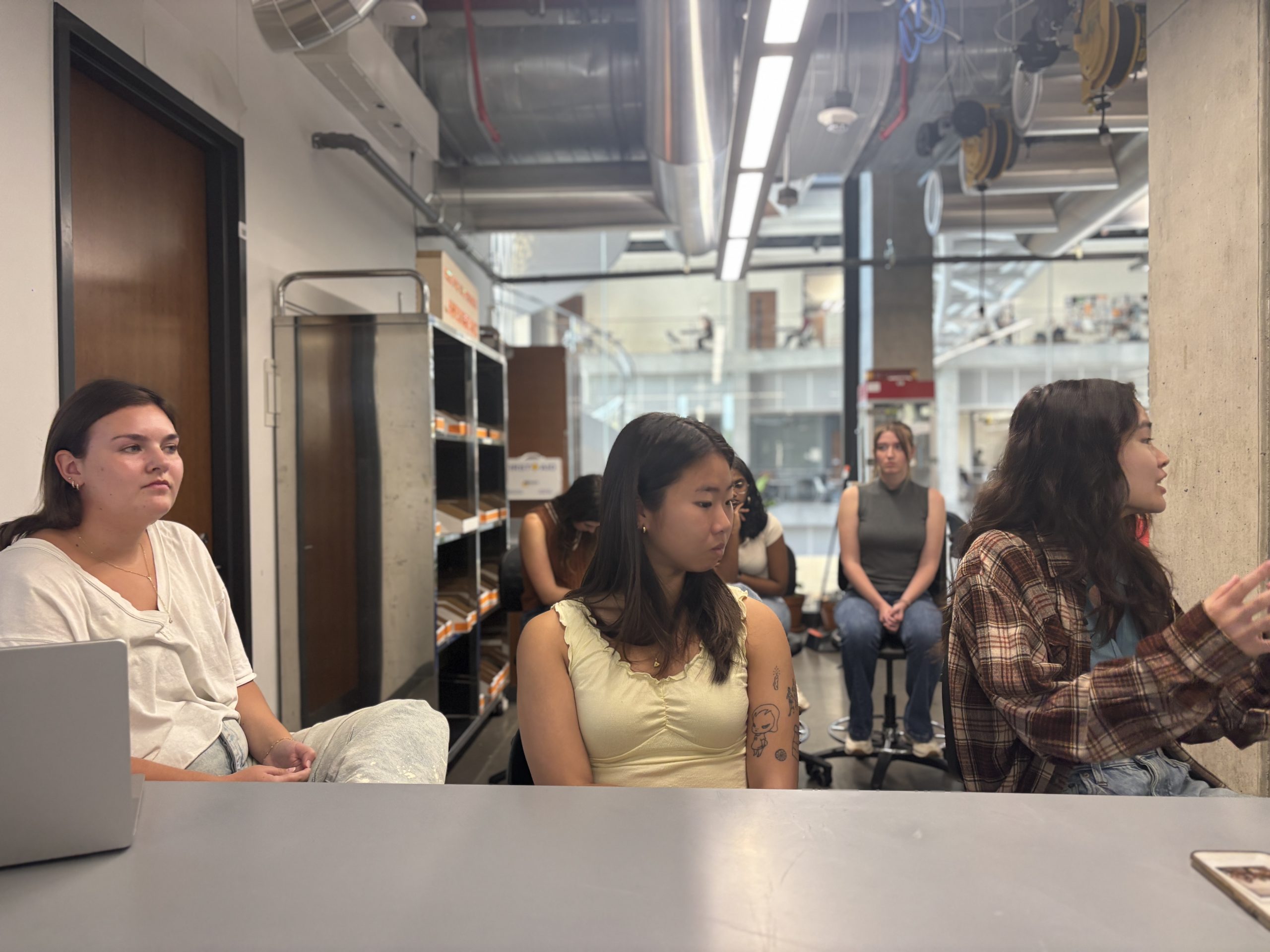
Over sixteen weeks, our team moved through the full human-centered design process—from discovery research and problem framing to ideation, prototyping, service blueprinting, and stakeholder presentations.
My work focused on translating research into an experience that students could intuitively navigate.
I helped synthesize user insights, define the service strategy, and shape the overall event concept. I then led the creative direction and design of our final implementation deliverables, ensuring every recommendation could realistically move from presentation to practice.
The final deliverable wasn’t simply a slide deck—it was a comprehensive implementation toolkit.
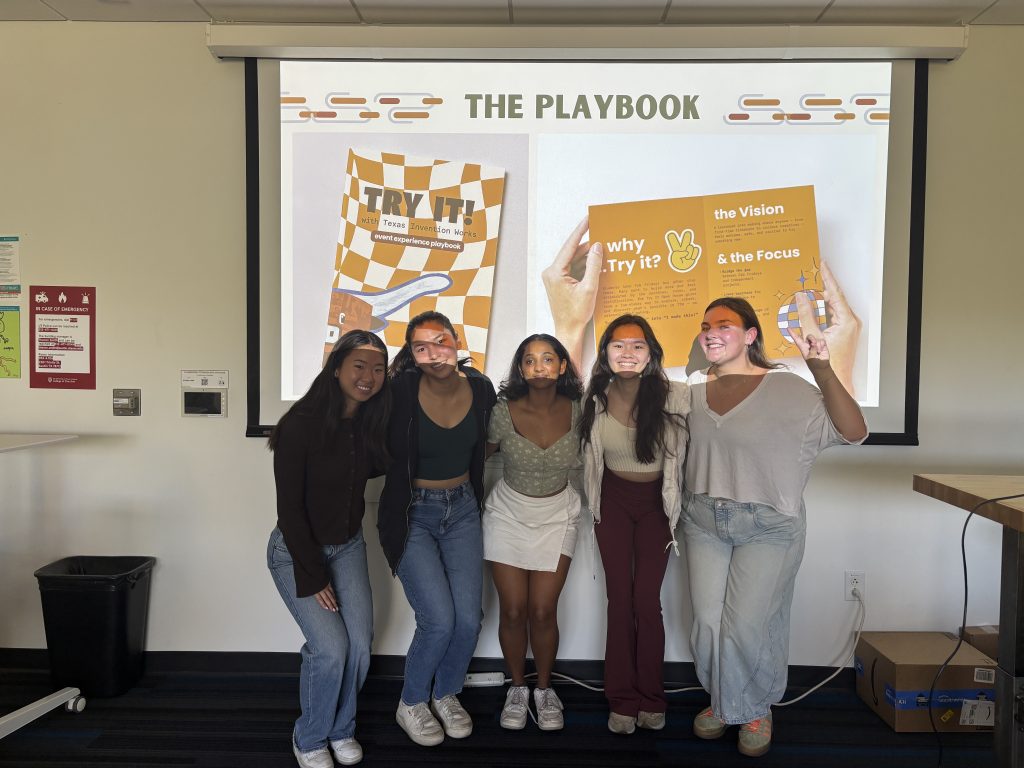
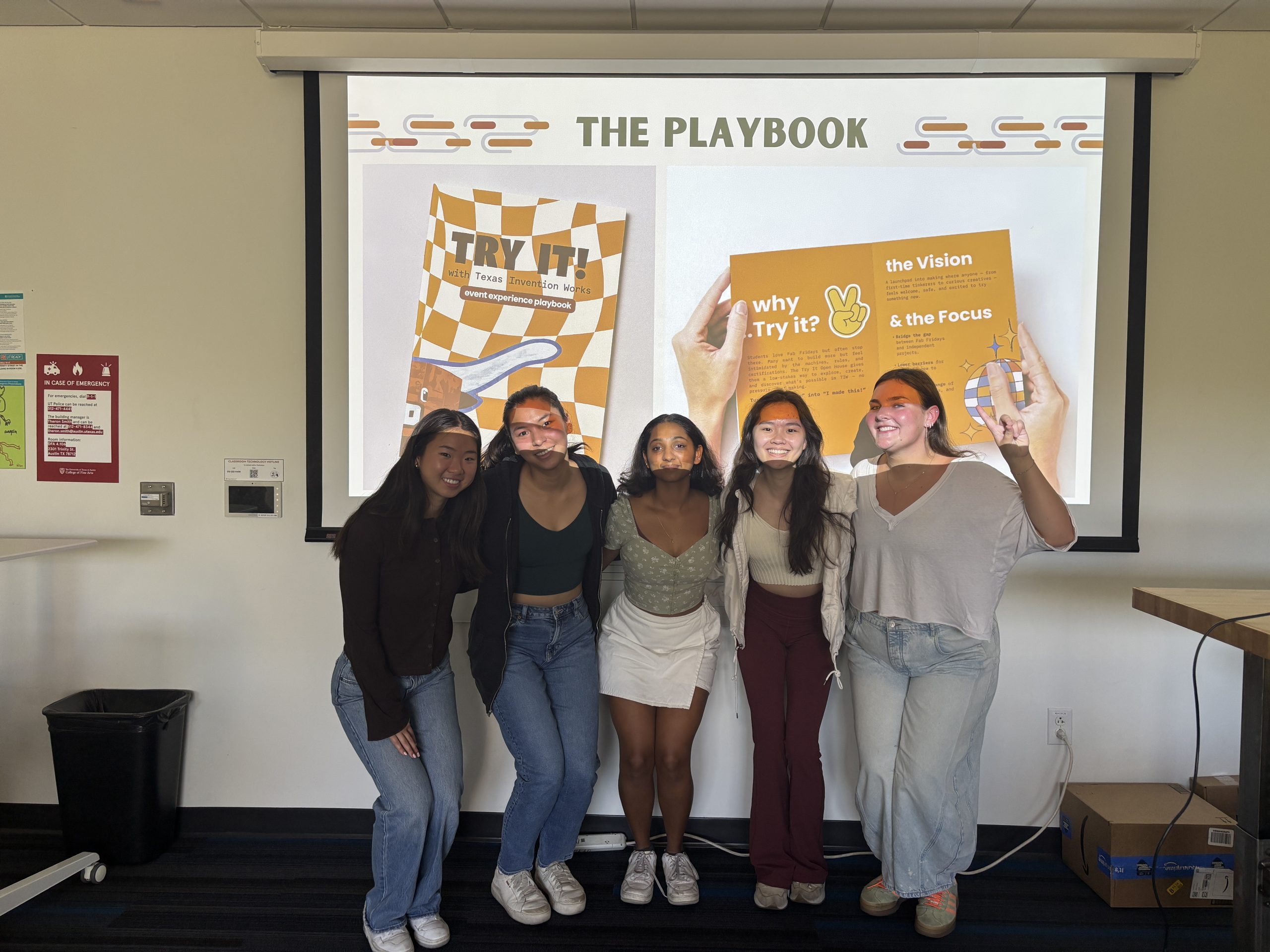
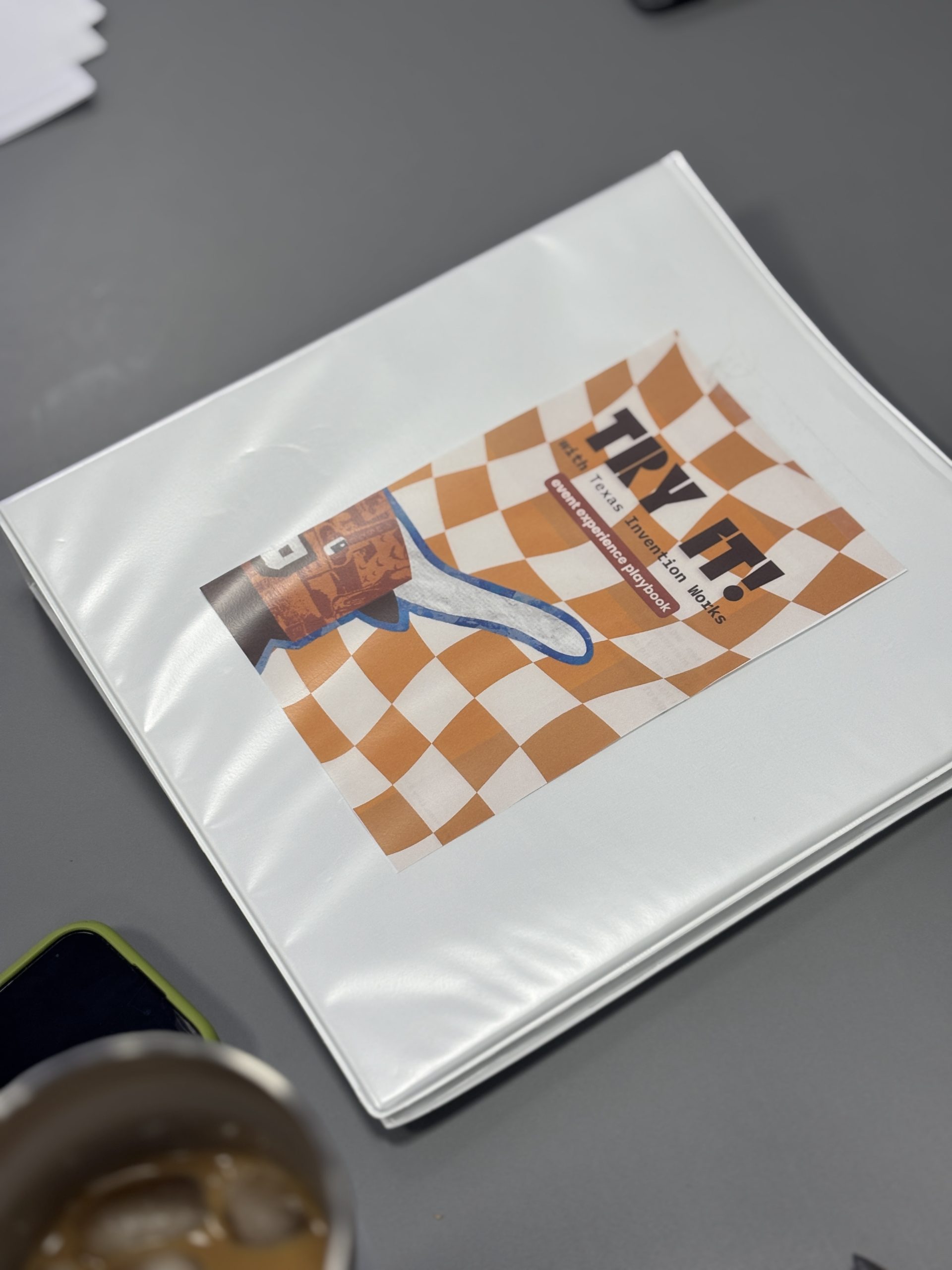
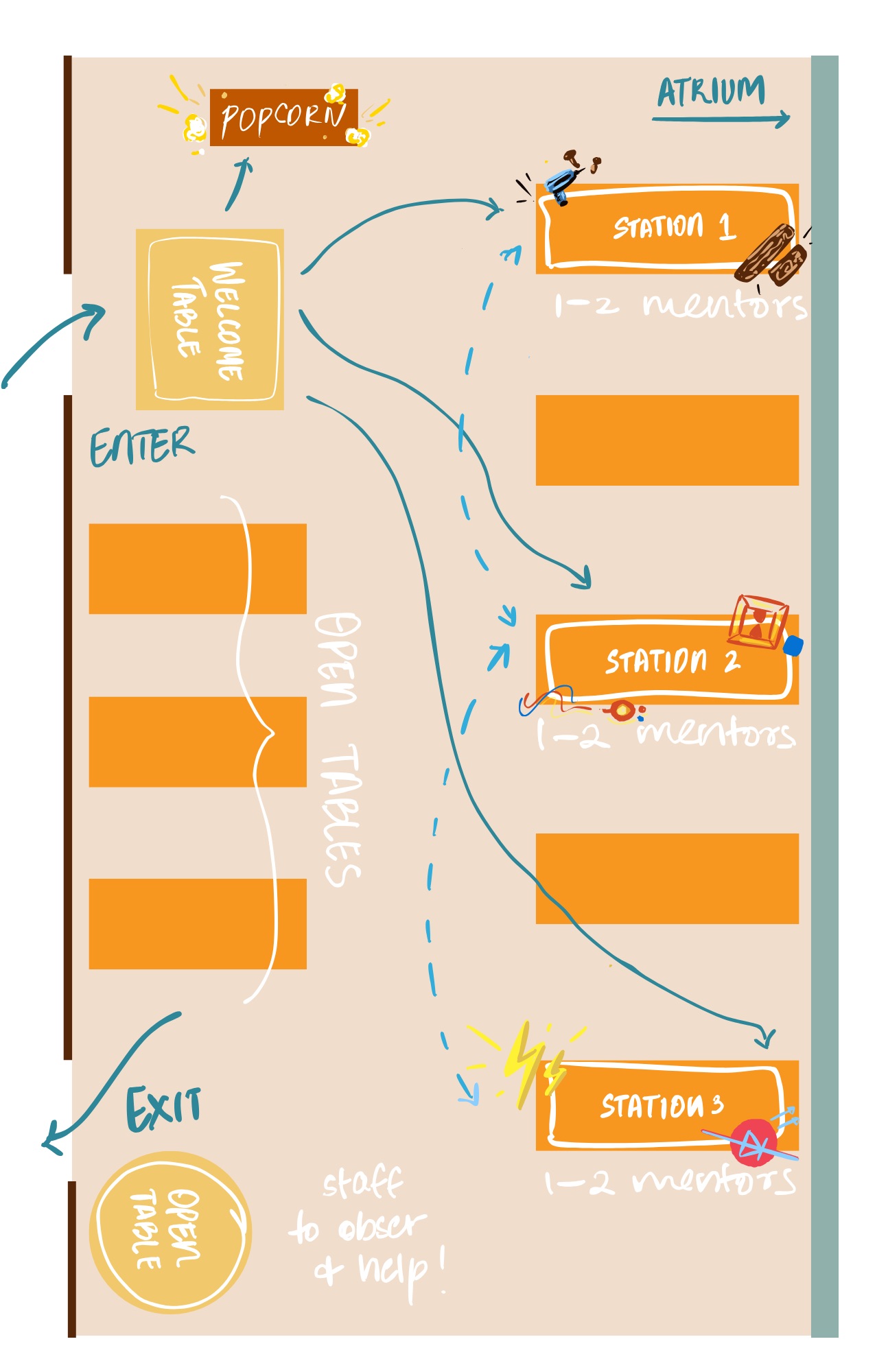
I designed a branded Event Experience Playbook outlining the vision, event structure, staffing requirements, participant flow, logistics, facilitator responsibilities, floor plans, communication strategy, and implementation timeline. Alongside it, I created a Resource Information Guide that helped participants continue exploring Texas Inventionworks long after the event ended, bridging the gap between a single workshop and sustained involvement. We also developed participant journey maps that documented every touchpoint—from check-in and orientation to mentorship interactions and post-event engagement—to ensure the experience felt intentional from beginning to end.
Box Office Results
- Reframed Fab Fridays from a standalone workshop into a long-term community engagement strategy centered on belonging rather than attendance.
- Designed Try It!, a recurring open-house experience that removed certification barriers and welcomed students from every academic background.
- Created a comprehensive implementation playbook containing event strategy, logistics, staffing plans, operational workflows, participant journeys, floor layouts, and facilitation guides.
- Designed supporting brand collateral, including a resource guide that connected participants with future workshops, certifications, mentorship opportunities, and community resources.
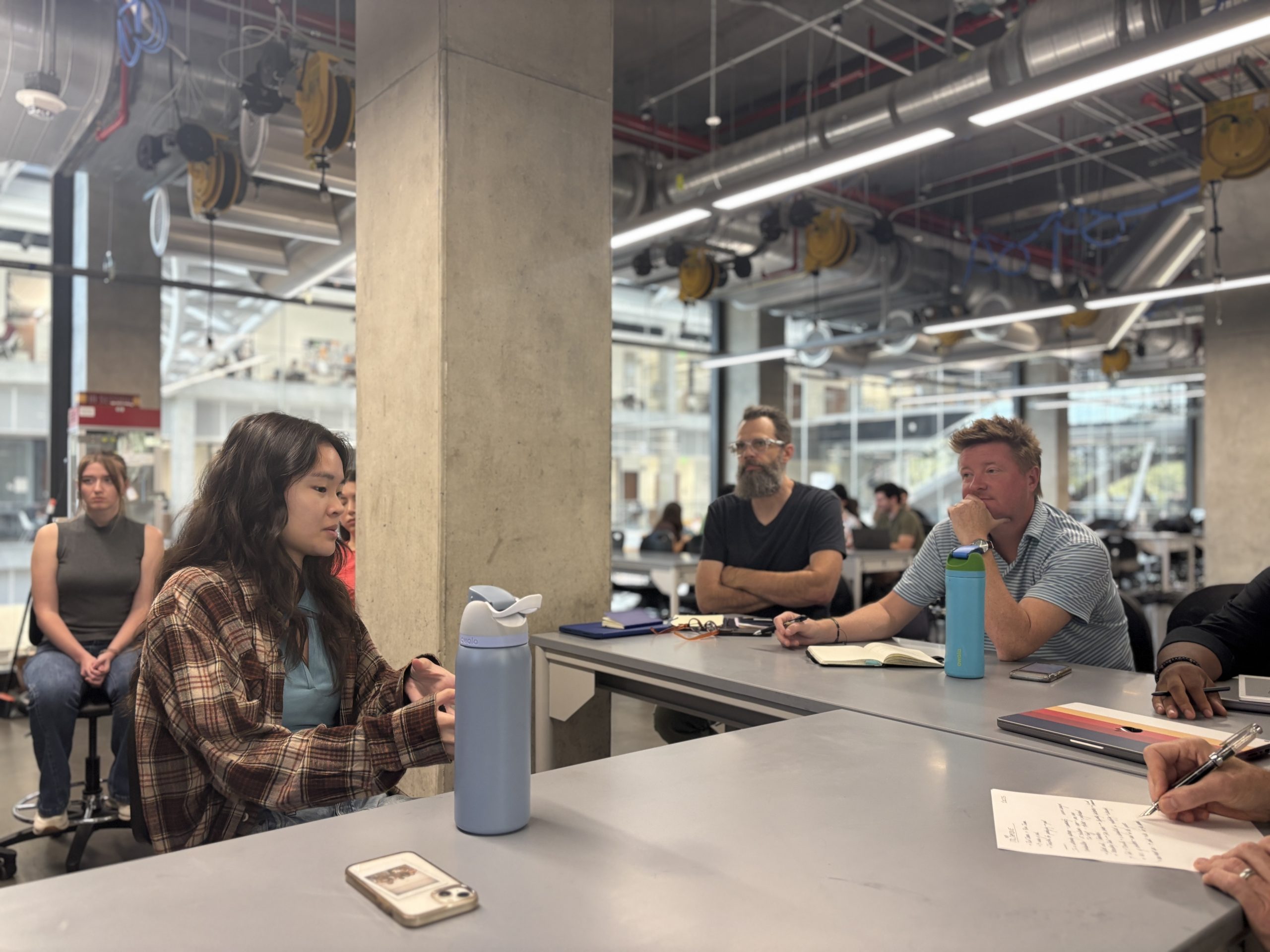
- Presented recommendations directly to Texas Inventionworks leadership and stakeholders at the conclusion of the semester.
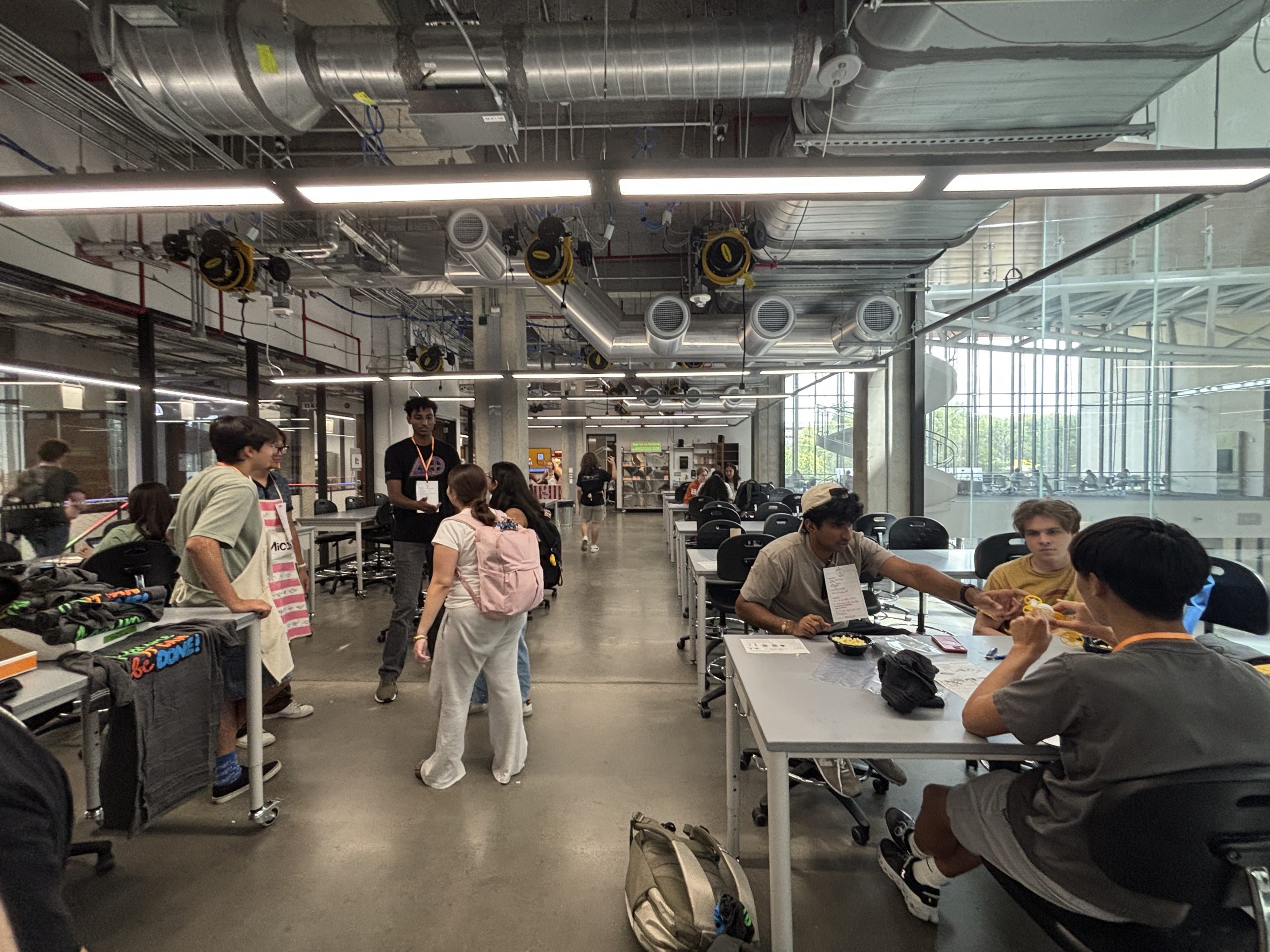
- The proposal was later adopted in practice, with Texas Inventionworks inviting our team back to attend the newly implemented experience—allowing us to see our design translated into a real campus event.